






 Portuguese
  Spanish


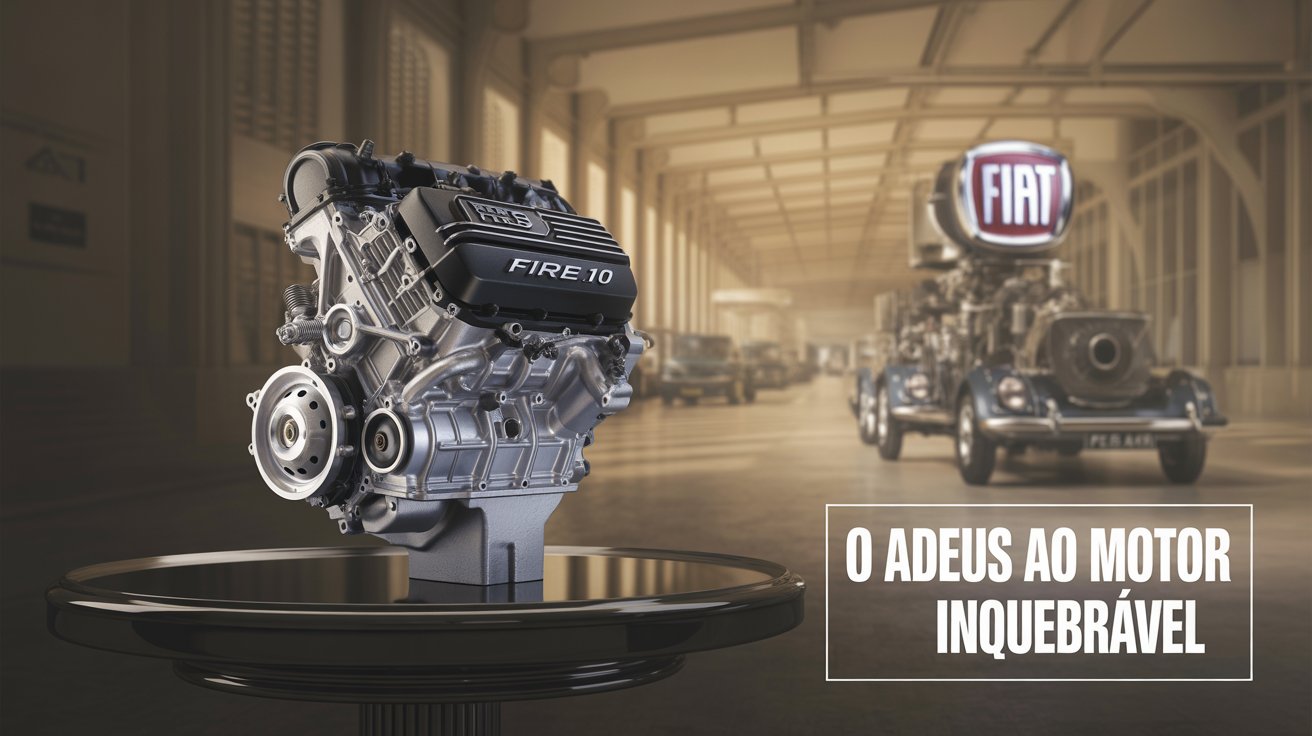


After 40 Years and More Than 10 Million Cars, Fiat Ends Production of the Legendary Fire Engine, Symbol of Resilience and Economy, Due to New Environmental Regulations.
The national automotive industry entered a new chapter this year with the retirement of the legendary Fire engine, one of Fiat’s most iconic, which marked four decades of continuous presence in the Brazilian market.
The end of production of this engine occurred now in 2025, driven by the advancement of environmental standards and the need for technological updates.
More than 10 million vehicles worldwide have been equipped with this engine, known for its durability, mechanical simplicity, and low maintenance costs.
-
World’s Largest Particle Accelerator Begins Four-Year Hiatus for Magnet Overhaul, Aiming to Hunt Dark Matter by 2030

-
400 km² of Greenhouses in Almería, Spain, Astonish American Visitor by Producing Millions of Tons of Produce for Cold-Weather Markets
-
“Sahara Dust Turns Rain Red, Startling Residents Across Europe”
-
Stanford Scientists Develop 20-Cent Paper Centrifuge Inspired by Ancient Toy, Spins at 125,000 RPM Without Electricity, Separates Plasma in 1.5 Minutes, Aiding Diagnostics in Remote Areas




Origin of the Fire Engine and Its Arrival in Brazil
The Fire engine, whose name stands for Fully Integrated Robotised Engine, was born in Europe in 1985, initially in the Lancia Y10.
However, it was only in February 2000 that the engine landed on the Brazilian assembly lines of Fiat in Betim (MG), equipping the Palio 1.3 with 16 valves.
The arrival of the 1.0 version in 2001 would mark the beginning of a cycle that lasted 24 years, consolidating the Fire as a benchmark for reliability and efficiency in the compact engine segment.
Models Equipped and Reputation of the Fire Engine
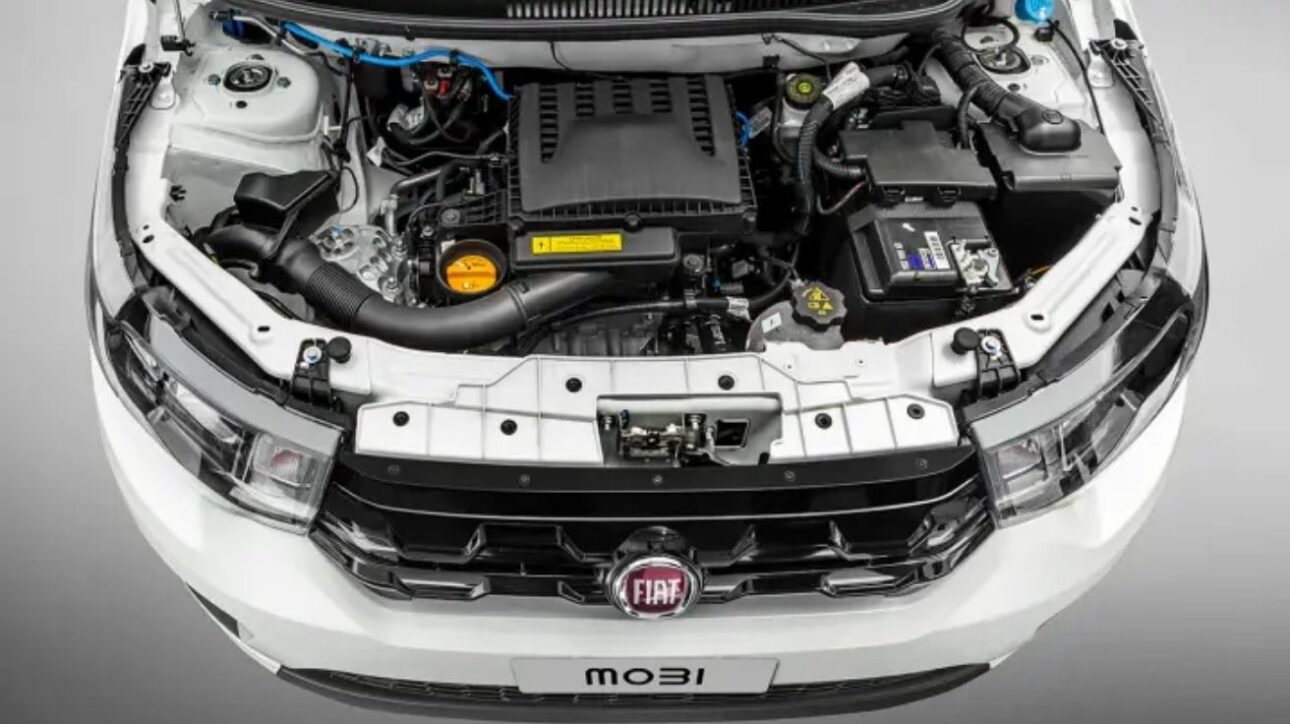
Throughout these decades, the Fire was a key component in Fiat’s highly successful models in Brazil, including the Uno, Palio, Siena, and Mobi.
Moreover, its economic performance and durability made it a frequent choice in work vehicles, such as the utility Fiorino and the Uno itself, often adapted for fleets and services that required robustness.
The engine earned a reputation for easily reaching over 300,000 kilometers without serious failures, earning it the nickname of “unbreakable” among consumers and experts in the automotive sector.
Impact of Environmental Regulations on the End of the Fire
The farewell to the Fire comes as a result of the requirements of the eighth phase of the Vehicle Emissions Control Program (Proconve L8), in effect since early 2025.
These rules imposed even stricter pollutant emission limits, forcing the industry to seek more efficient and less polluting alternatives.
According to Stellantis, the group that controls Fiat, the investment to keep the Fire engine updated under the new guidelines became unfeasible given the technological evolution of new engines.
In 2021, a series of modifications had already been made in an attempt to prolong the Fire’s lifespan.
The electronic injection system was recalibrated, the catalyst was improved, and there were changes to the exhaust gas recirculation.
Nevertheless, with the arrival of Proconve L8, it became impossible to adapt the veteran engine without compromising its cost-benefit ratio, one of the factors that differentiated it most in the market.
Technological Evolution of the Fire Engine in Brazil
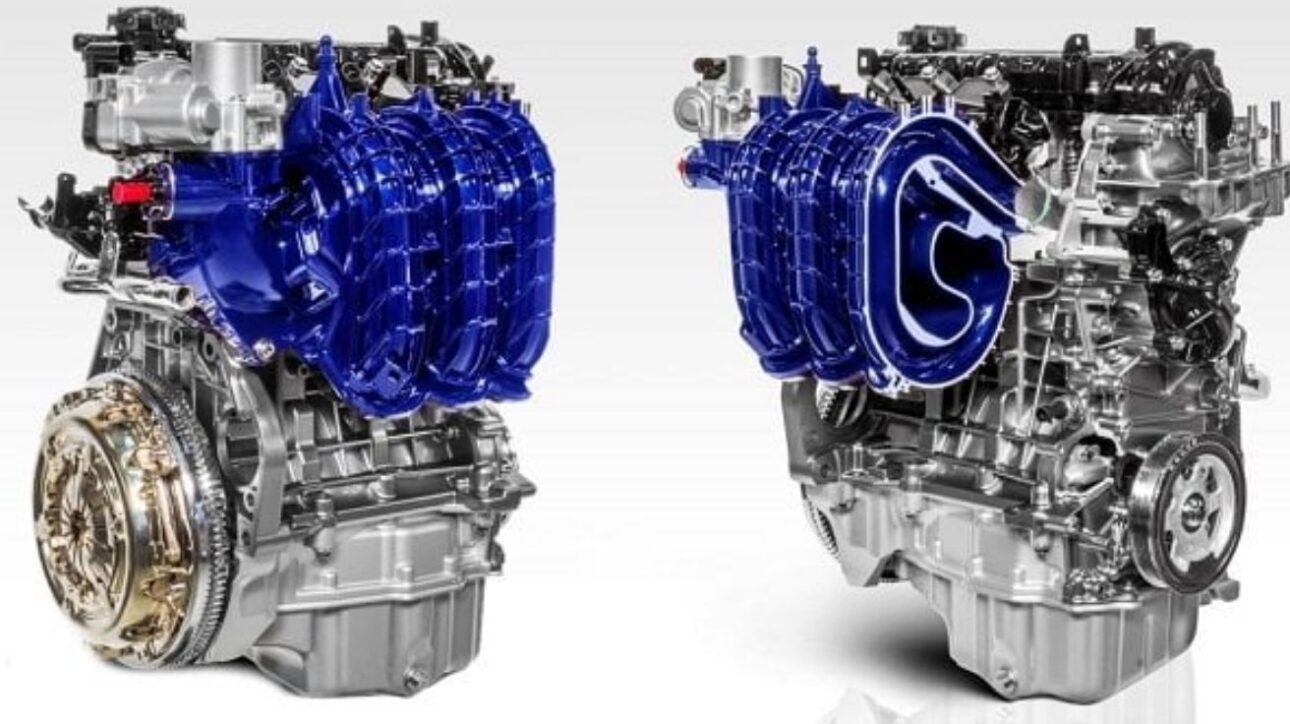
During its time in the country, the Fire underwent significant transformations.
Launched in its initial 1.3 configuration with 16 valves, it evolved to 1.0 and 1.4 versions, and also gained flex capacity in 2003, adapting to the Brazilian reality of alternative fuels.
Subsequently, the architecture of the cylinder head was simplified, facilitating maintenance and further enhancing its reputation for low cost.
The ease of finding parts, combined with the large number of units in circulation, created a true network of technical support, contributing to the popularization of the Fire.
Workshops throughout the national territory began to specialize in this engine, making its maintenance accessible even for owners with lower purchasing power.
Legacy of the Fire Engine in the Democratization of the Popular Car
The Fire was responsible for democratizing access to automobiles for millions of Brazilians, playing a central role in fleet renewal programs, such as the launch of the Palio in 1997 and the production of the Uno Mille.
Its longevity in the market meant that many vehicles equipped with this engine are still seen on the streets, even decades after their manufacture.


Curiosities and Global Impact of the Fire Engine
In total, more than 10 million cars have been produced with the Fire engine on different continents, including Asia, Europe, and Latin America.
In several countries, the robustness and simplicity of the Fire also made it a reference among taxi drivers, ride-hailing drivers, and small business owners, who saw the model as a reliable solution for daily work.
The development of the Fire was the result of an advanced industrial automation process for its time, incorporating robotic assembly lines as early as the late 1980s, ensuring precision and repeatability in the processes.
Furthermore, the engine stood out for its ease of adaptation to local emission standards and for the low rates of preventive maintenance required.
Future of Engines at Fiat and in Brazil
With the definitive exit of the Fire from the production lines in Betim, Fiat is directing its investments towards new propulsion technologies, such as three-cylinder turbo engines, hybrids, and electric motors, capable of meeting the environmental and energy efficiency requirements globally.
According to experts, the Fire’s trajectory serves as an example of the challenge of combining robustness, affordable cost, and technological upgrades in compact engines.
In light of this scenario, the question remains: what will be the next engine to gain the trust of Brazilians and surpass the Fire’s legacy in durability, economy, and popularity?


Se quiser entrar em contato comigo sobre o meu Siena 1.0 2011 Fire instagram @Alex.voa
Eu tenho um Siena 1.0 motor Fire 2011 e meu carro já está com 686 mil Km rodados sem mexer no motor
Vem aí preços altos e durabilidade zero