






 Portuguese
  Spanish
  2 min of reading


The Industry Had Been Presenting Negative Results Even Before the Pandemic. The GDP Is the Lowest in the Last 25 Years
São Paulo, March 3, 2021 – The IBGE announced today the largest drop in Brazilian GDP since 1996: -4.1%. The number was driven by negative performances in services (-4.5%) and industry (-3.5%). The country’s per capita income also had a record drop of 4.8% – the largest decline in 25 years. The numbers were softened by the positive performance of agriculture, which expanded by 2%. Exports also saw a decline of 1.8%, a figure much smaller than the 10% drop in imports.
According to Cristina Helena Pinto de Mello, economist and national research pro-rector of ESPM, the data that had the most negative impact came from government consumption, which contracted by 4.7%. “Government consumption has a fundamental multiplier effect in the economy. For me, this variable is the most important in the decline of 2020. The contractionary fiscal policy strategy, combined with the monetary policy of lowering interest rates, proved insufficient to curb the poor performance of the economy. This strategy could have been temporarily relaxed in a pandemic year,” she says.
According to Cristina, the most negative consequence of the GDP drop is the ongoing destruction of Brazil’s productive fabric, with negative repercussions for the industry. “The Brazilian industry has shown negative performances since before the pandemic, and this has been aggravated. The persistence of this factor could lead to a disintegration of the Brazilian production chain, as the industry plays a central role in the integration between agribusiness and higher value-added services. This is a strategic issue for the country that needs more attention,” she states.
-
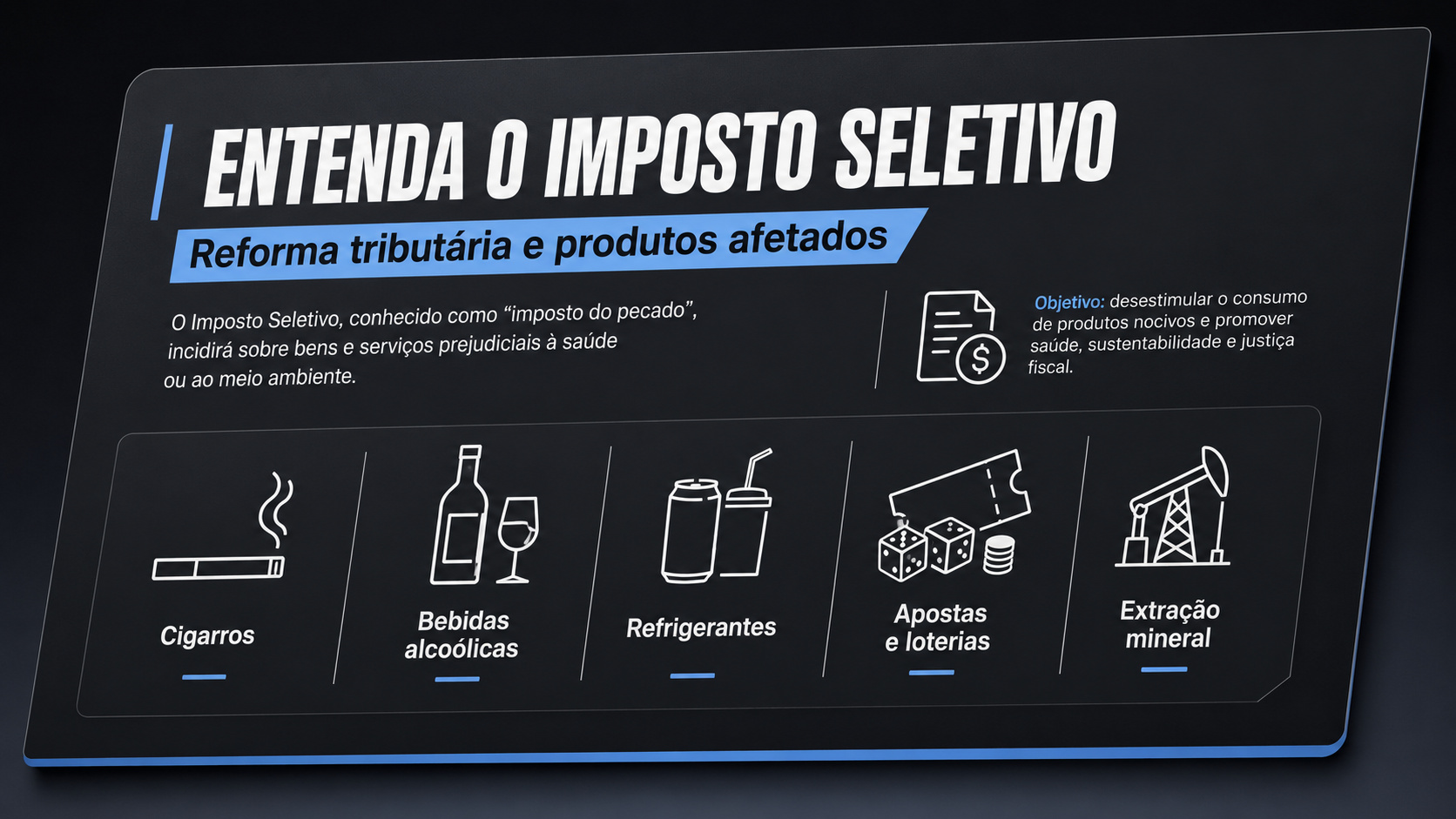
Government confirms sin tax for 2027 and explains why alcoholic beverages and cigarettes should not become more expensive right away, despite the new tax also covering soft drinks, polluting vehicles, mineral extraction, lotteries, betting, and fantasy sports games in a change that still depends on Congress.

-
Anvisa reveals flaws in supplements from IDNLABS and suspends 11 batches that include creatine, BCAA, beta-alanine, and multivitamins; the measure affects products with quality, composition, and labeling issues, while consumers are advised to check the printed codes on the packaging.
-
Ypê expands exchange and refund of products suspended by Anvisa, but consumers still need to check final batch 1, manufacturing date, and category before using laundry detergents, dishwashers, and disinfectants.
-
Son of a Chinese immigrant who sold tea in the countryside of São Paulo, Zhang Ye almost went bankrupt in 2021 and today, at 28 years old, claims to earn 1 million reais per day and has become the number 1 on TikTok Shop in Latin America.




About ESPM
ESPM is an innovative business school, a Brazilian reference in higher education in the areas of Communication, Marketing, Consumption, Administration, and Creative Economy. Its 12,600 students in undergraduate and graduate programs and more than 1,100 staff are distributed across eight campuses – four in São Paulo, two in Rio de Janeiro, one in Porto Alegre, and one in Florianópolis. Lifelong learning, excellence in education, and a focus on the market are the foundations of ESPM.









Be the first to react!