






 Portuguese
  Spanish
  5 min of reading
  248 comments


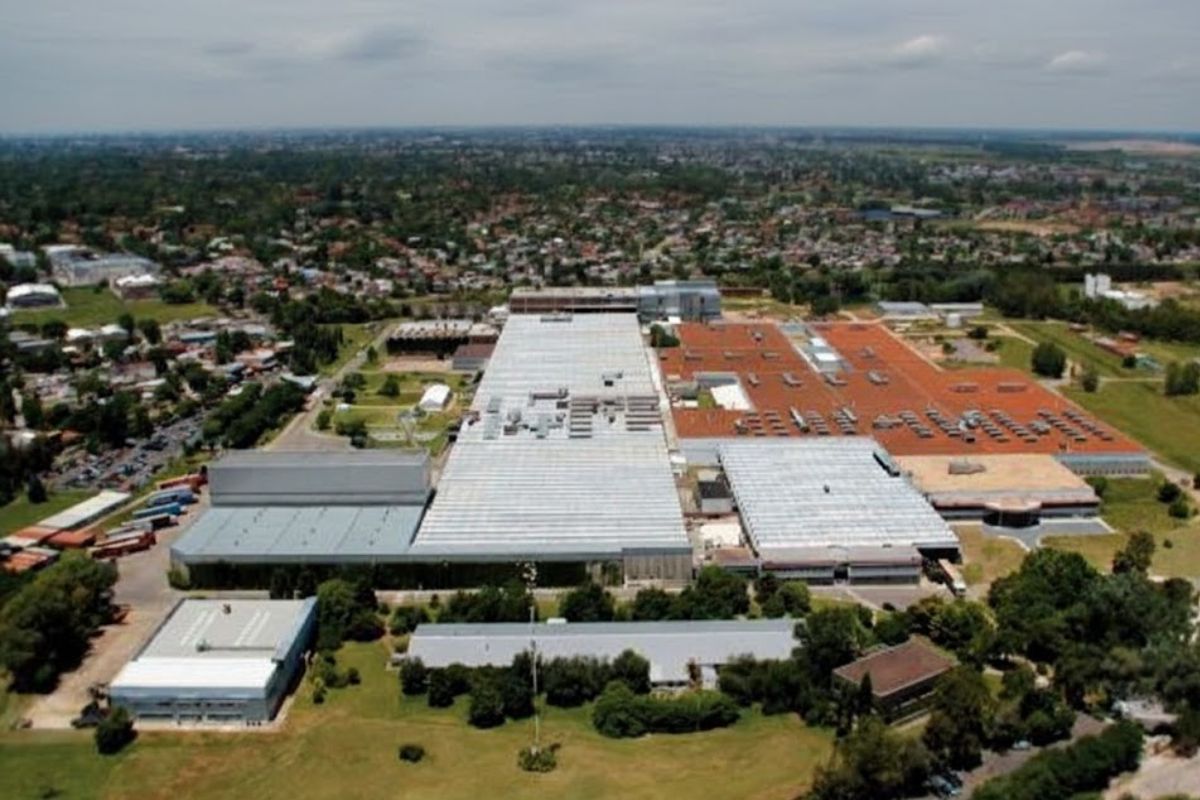


After Announcing the Closure of the Unit in Buenos Aires, Fate, Argentina’s Largest Tire Manufacturer, Confirmed More Than 900 Layoffs and Attributed the Decision to a Loss of Competitiveness with the Advance of Imports; the Announcement Came During a Week of National Strike Against Javier Milei’s Labor Reform
The Tire Industry in Argentina Gained an Unexpected Symbol of Breakthrough When Fate Announced on a Wednesday (18) the Definitive Closure of Its Plant in Buenos Aires and the Layoff of More Than 900 Workers. The Company, Described as the Largest Tire Manufacturer in the Country, Pointed to the Loss of Competitiveness Due to the Advance of Imports as the Decisive Factor for the Decision.
The Announcement Came Against a Charged Social and Political Atmosphere: The Week Was Marked by Strong Union Mobilization and a 24-Hour National Strike Against Labor Reform Driven by the President Javier Milei, Under Discussion in the Chamber of Deputies. In This Context, the Closure Went from Being Just a Corporate Event to Condensing the Dispute Over Costs, Employment, and the Role of the State.
What Changes When Imports Pressure the Tire Market

When a Company Claims to Have Lost Competitiveness, It Is Practically Saying That Producing Tires Locally No Longer “Balances the Books” Against the Prices and Conditions with Which the Imported Product Arrives in the Market.
-
The urgent need to implement a severe cut in public spending and a massive increase in taxes, in addition to drastically compromising the quality of basic services and the purchasing power of the population, could result in social unrest in the country, with the population leading protests, strikes, and frequent disturbances.

-
FIRJAN’s mega plan of R$ 526.3 billion for Rio de Janeiro aims to revive Brazil’s largest industry, with two-thirds of the investments going to oil and gas.

-
China signals an increase in beef imports, Brazil has already consumed 70% of the 1.106 million ton quota and seeks to renegotiate the tariff that jumps from 12% to 55%, while demand from the US also skyrockets.
-
Food inflation rose 302% in 20 years in Brazil, but the supermarket changed: purchasing power yielded 87% more mortadella and 31% less fruit, and ultra-processed foods took over the cart.



This Can Happen Even When the Factory Has History, Scale, and a Recognized Brand, Because Competition Shifts to Cents per Kilometer Traveled, Aggressive Discounts, and Supply Chains Capable of Reducing Costs at Every Stage.
In the Reported Case, Pressure Appears in Numbers Cited for the Period Between 2023 and 2025: Tire Imports Would Have Increased by 34%, While Prices in the Domestic Market Decreased by 42%.
This Type of Combination, More Foreign Volume and Lower Domestic Prices, Usually Compresses Margins and Accelerates Difficult Decisions, Especially When There Are High Fixed Costs, Such as Equipment Maintenance, Energy, Logistics, Inventory, and Payroll.
There Is Also a Silent Effect That Rarely Appears at First Glance: Tires Do Not Compete Only on Shelf Price; They Compete on Inventory Turnover. If Retail Starts to Replenish Faster with Imports, Local Manufacturers May See Their Production Lose Predictability, Increasing the Risk of Operating with Idle Capacity, Accumulating Stock, and Having to Grant Larger Discounts to Clear Out.
The Closure in Practice: Production, Jobs, and the Scale of the Shock
Founded Over 80 Years Ago, Fate Operated with an Estimated Capacity of About 5 Million Tires Per Year.
This Data Helps to Gauge the Impact: It Is Not Just a Gate That Closes, but a Relevant Production Line That Leaves the Industrial Map and Alters the Balance of Domestic Supply, Relationships with Suppliers, and the Hiring Pace Around the Plant.
Regarding Employment, the Number Is Also Direct and Heavy: More Than 900 Workers Laid Off at Once. In Cities and Regions Where Industry Still Functions as an Economic Anchor, Cuts of This Magnitude Usually Have Ripple Effects, Impacting Transport, Food, Maintenance, Outsourced Services, and Small Businesses That Depend on the Factory’s Surroundings.
This Closure Was Also Cited as Part of a Larger Picture: The Closure of More Than 21,000 Companies and the Elimination of Approximately 300,000 Jobs in the Last Two Years.
Even Without Assigning a Single Cause to All These Cases, the Accumulation of Closures Creates a Background of Insecurity for the Productive Sector, Where the Debate on Industrial Competitiveness Becomes Concrete and Turns into The Difference Between Producing Tires in the Country or Importing to Supply the Shelves.
Strike, Labor Reform, and the Dispute for State Intervention
The Timing of the Announcement Amplified the Noise. Fate Communicated the Decision During a Week When Unions Organized a 24-Hour National Strike Against a Labor Reform Under Discussion, Driven by Javier Milei’s Government.
When a Large Company Closes Amid Such Mobilization, the Case Tends to Be Brought to the Center of Political Debate, Because It Touches on the Exposed Nerve of Any Reform: Labor Costs, Rights, Predictability, and Job Stability.
The Interpretation of What Is at Stake Is Also Divided. From the Manufacturer’s Version, the Decision Relies on “Changes in Market Conditions,” Highlighting the Loss of Competitiveness Due to the Advance of Imported Tires.
On the Other Side, Union Representatives Pressure for State Intervention to Attempt to Reverse the Closure, Which Opens a Typical Discussion in Times of Crisis: How Far Should the State Go to Preserve Jobs and Industrial Capacity, and What Instruments Would Be Legitimate Without Distorting the Market.
Even When There Are Legal Provisions for Indemnifications, the Social Effect Is Not Resolved on Paper.
The Company Reported That It Will Fulfill the Payment of Legal Indemnifications, Which Protects Formal Rights in the Short Term, but Does Not Address Deeper Issues, Such as Reemployment in an Already Pressured Sector, Migration of Professionals to Other Activities, and the Loss of Productive Knowledge Accumulated Over Decades.
What This Case Signals for the Argentine Industry and for Consumers of Tires
When a Historic Tire Manufacturer Closes, Consumers May Immediately Envision Two Opposing Paths: Either Prices Decrease with Greater Presence of Imports or Prices Increase if Domestic Supply Diminishes and the Market Becomes More Dependent on External Suppliers. The Reality Is Usually More Complex, Because Final Price Depends on Exchange Rate, Logistics, Availability, Competition Among Brands, and Retail Strategies.
The Data of a 42% Drop in Internal Prices, Cited for 2023 to 2025, Suggests That the Market Was Already Operating Under Strong Price Pressure.
For Those Who Buy Tires, This May Appearing as a Promotion and a “Better Deal” in the Short Term, but the Closure of Local Production Tends to Raise a Structural Doubt: How Resilient Is the Supply When Domestic Manufacturing Shrinks, Especially in Times of Currency Fluctuation, Logistical Bottlenecks, or Regulatory Changes.
For the Industry, the Message Is Equally Tough: Competitiveness Is Not Measured Only by a Brand’s History, but by the Ability to Sustain Costs and Scale in an Open Market, with Imports Growing and Consumption Sensitive to Prices.
In This Type of Environment, Business Decisions Depend More on Demand and Margin Projections Than on Prestige, and the Tire Sector Becomes a Thermometer for a Larger Debate About the Future of Manufacturing in the Country.
The Closure of the Fate in Buenos Aires Brings Together, in a Single Episode, the Tension Between Trade Openness, Falling Domestic Prices, Union Pressure, and Political Disputes Over Reforms and Employment.
Beyond the Numbers, This Case Exposes How Industrial Competitiveness Can Deteriorate Rapidly When the Market Changes and the Balance Between Local Production and Imports Shifts.
And This Raises a Personal Question, Which Often Divides Opinions: In Your Experience, When Imported Tires Begin to Dominate and Prices Fall, Does This Compensate for the Risk of Losing Factories and Local Jobs, or Should the Country Seek Some Form of Protection or Transition to Preserve Industrial Capacity? If You Have Bought Tires in Recent Years, Did You Feel a Real Difference in Price and Availability?




A Argentina vai entrar em recessão grave
Milei ferrando a Argentina
Faz o M, parabéns aos argentinos que votaram no Milei