






 Portuguese
  Spanish
  3 min of reading
  0 comments


The rules provided in the Civil Code and the Consumer Protection Code help the buyer understand when to take action against the construction company
The purchase of a new property involves legal guarantees that protect the buyer’s asset from the moment the keys are handed over. In Brazil, these protections are divided into two main fronts: structural warranty and finishing warranty. The first covers failures that affect the solidity and safety of the construction, while the second deals with apparent, aesthetic, or functional defects. This difference is essential because each warranty has its own term, coverage, and form of activation.
Structural warranty protects the safety of the construction
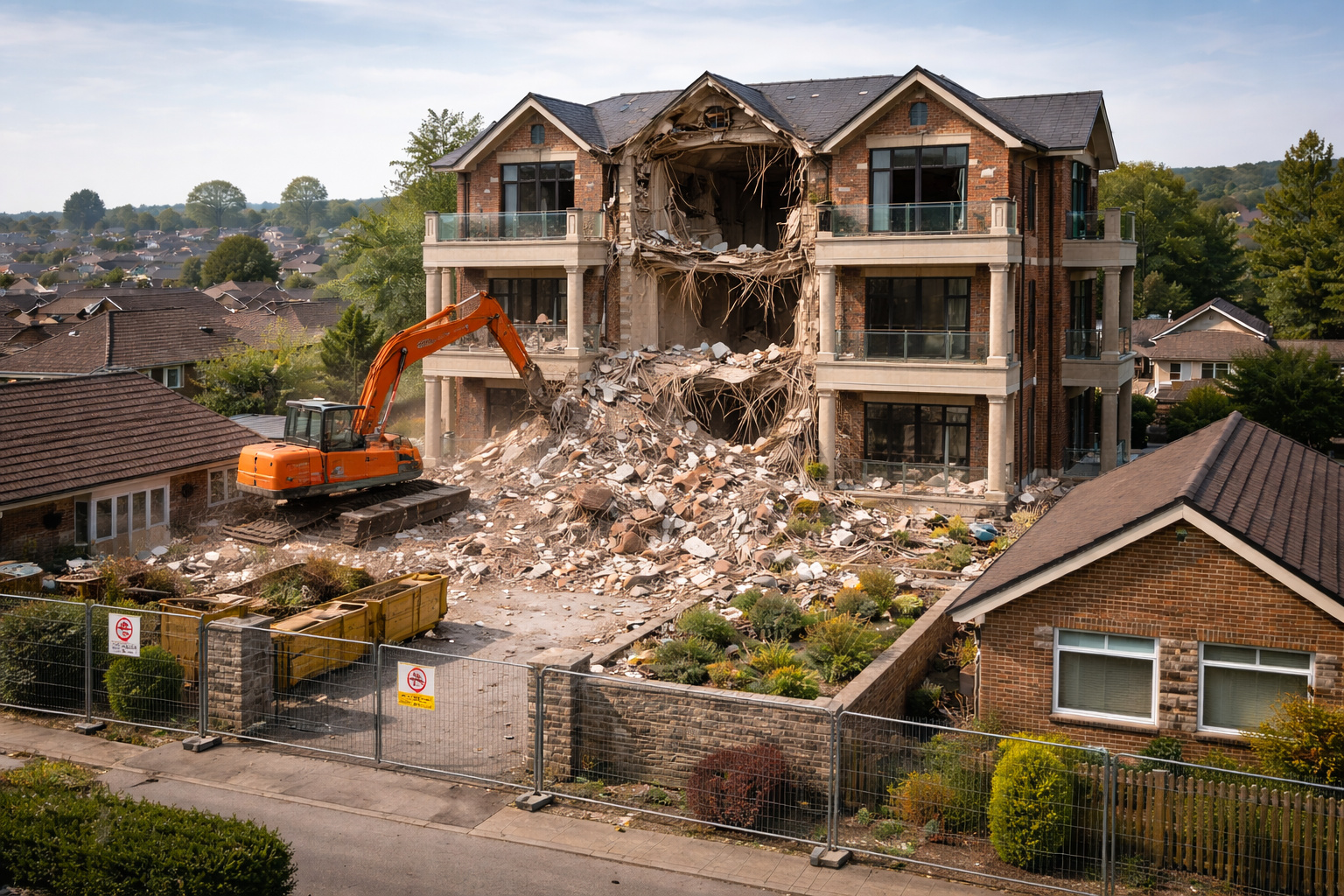
The structural warranty covers the elements that support the property and preserve its stability. Foundations, piles, pillars, beams, slabs, structural masonry, roofs, and coverings are included in this protection. Severe cracks, serious leaks, and failures capable of compromising the building’s solidity can result in the construction company’s liability. Article 618 of the Civil Code establishes a five-year term for the safety and solidity of large-scale works, counted from the official delivery of the property. Even after this period, the construction company can still be held legally responsible if a technical inspection proves a hidden defect originated in the execution of the work or in the quality of the materials.
Finishing warranty covers visible and functional flaws
The finishing warranty addresses problems that appear in daily use and affect the appearance, functionality, or habitability of the property. Detached tiles, loose floors, fine cracks, peeling paint, misaligned doors, jammed windows, loose sockets, and apparent leaks are among the most common examples. The Consumer Protection Code provides a 90-day period for complaints about apparent defects in durable goods, counted from the receipt of the keys. Some construction companies also offer additional terms in the Owner’s Manual, especially for specific items.
-
Detran RJ starts requiring a toxicological test for those obtaining their first driver’s license in the car and motorcycle category starting June 29; see who will be affected.

-
Florida takes TikTok to court and accuses the Chinese giant ByteDance of ignoring the law that bars minors under 14, while parents and authorities demand more protection for children on social networks.
-
Chamber approves constitutional amendment reducing the age of criminal responsibility from 18 to 16 years; what now?

-
Justice confirms that old debts in tax executions that have been stalled for more than 15 years can no longer be collected through judicial or administrative means.


Technical inspection helps preserve rights
The inspection conducted at the time of key delivery plays a decisive role in protecting the buyer. According to MRV, this procedure formally records the condition of the property before final possession and allows for pointing out apparent nonconformities. Signing the inspection report, with or without reservations, marks the start of the warranty period for finishing. Therefore, photos, videos, and detailed observations help avoid future doubts and strengthen potential repair requests.
Formal record facilitates contacting the construction company
The owner should document any fault as soon as the problem is identified. Photographs, videos, and objective descriptions help to prove the defect. In more complex structural cases, a technical report by a civil engineer or architect can indicate whether the problem results from a construction defect. Communication to the construction company should be in writing, with a protocol, email, customer service, or registered letter. After notification, the company must assess the property through a technical inspection and, if the construction fault is confirmed, perform the repair at no charge to the owner.
Refusal of repair can lead the case to Procon or the Judiciary
The construction company cannot charge for repairs covered by legal or contractual warranty. When there is refusal, delay, or lack of response, the buyer can file a complaint with Procon and also seek the Judiciary. The action can demand the correction of the problem and, when proven damage occurs, compensation for material damages. However, renovations made by the owner may limit the warranty in altered areas, especially when involving walls, plumbing points, electrical installations, or replacement of coverings.
Attention to deadlines prevents loss of rights
The difference between apparent defect and hidden defect also requires attention. The apparent defect can be noticed right at delivery, such as cracked flooring or non-functioning outlet. The hidden defect only appears with use, such as internal leaks or waterproofing failures. In this second case, the deadline starts counting from the identification of the defect.
How many buyers really check every detail before accepting the keys to the property?





Be the first to react!