






 Portuguese
  Spanish


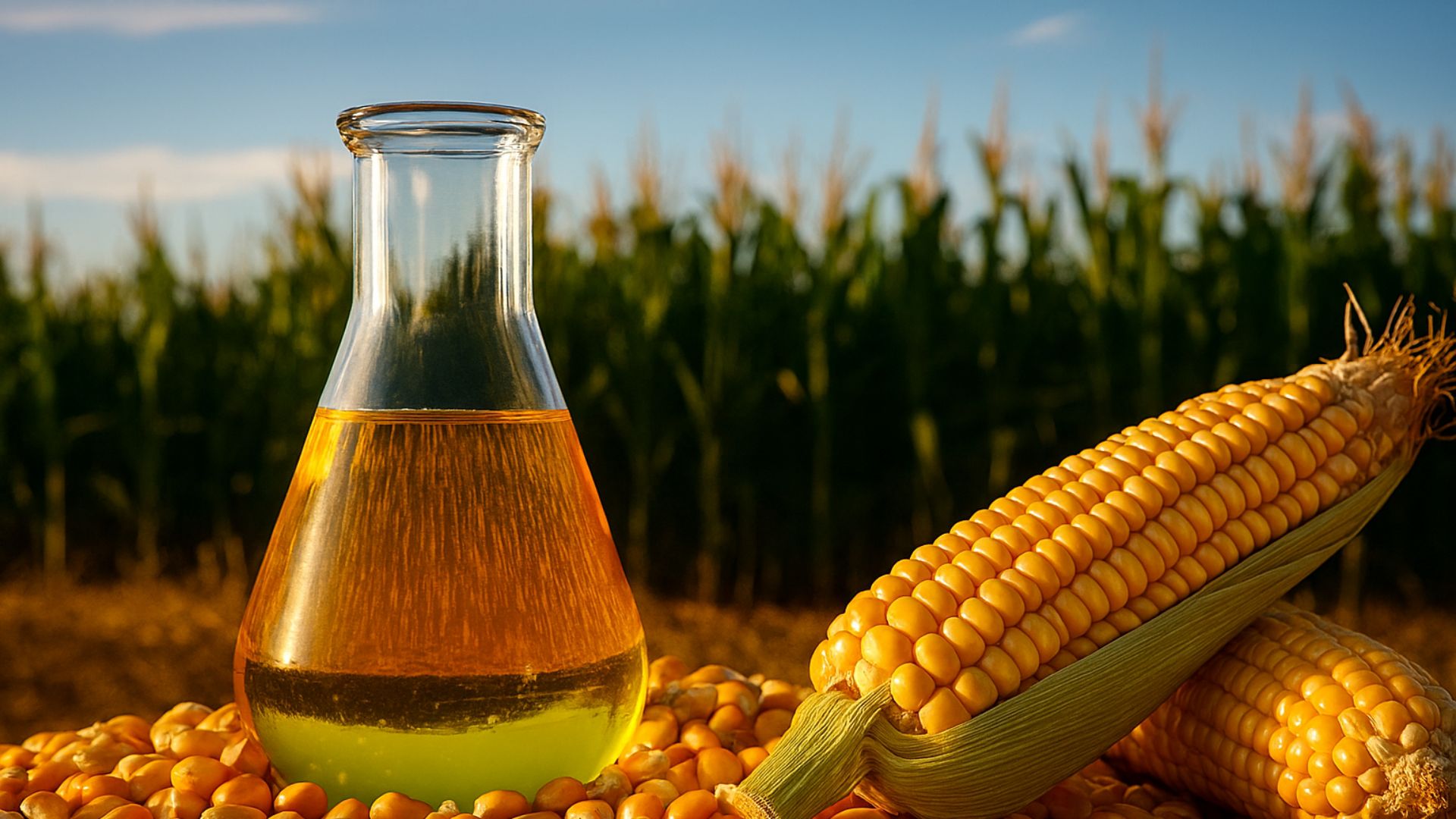

With an Investment of R$ 1.1 Billion, Grupo SADA Accelerates Corn Ethanol Production in Minas and Goiás, Strengthening the Biofuel Market and Driving the Energy Transition in Brazil
The announcement from Grupo SADA regarding a R$ 1.1 billion investment in corn ethanol plants this Monday (15) marks a significant advancement in diversifying Brazil’s energy matrix. The funding will be allocated to the construction of two industrial units in Jaíba (MG) and Montes Claros de Goiás (GO), aiming to increase biofuel production and reduce dependence on sugarcane as the primary source of ethanol.
The initiative comes at a strategic moment, after the National Energy Policy Council (CNPE) raised the percentage of ethanol blended with gasoline from 27% to 30%, a measure that will take effect in August 2025. This change has boosted demand for renewable fuels and opened up space for new investments in the sector.
Corn Ethanol: A Sustainable and Efficient Alternative
Corn ethanol has gained prominence as a viable and sustainable alternative to the traditional production from sugarcane. Unlike sugarcane, which has a seasonal harvest concentrated between April and November, corn allows for continuous production throughout the year, ensuring greater stability in the supply of biofuel.
-
Corn ethanol attracts R$ 23 billion in 21 new plants and prepares for a nearly 50% jump in Brazilian production by 2027, even with high interest rates.

-
Ceará brings together 7 giants and R$ 66 billion to transform Pecém into the largest green hydrogen hub in Brazil, with final decisions expected by the end of 2026.
-
H2A to Invest $570 Million in 22 Biomethane Plants in Brazil, Converting Agricultural Waste into 700 Tons of Renewable Fuel Daily

-
Brazil to Introduce B16 Diesel with Increased Soybean Oil Content for Trucks by 2026


According to data from the National Union of Corn Ethanol (UNEM), Brazilian production of this type of ethanol is expected to reach 15 billion liters annually by 2032, driven by new projects and the use of second crop corn. The investment from Grupo SADA aligns with this trend and reinforces the company’s strategic vision regarding the country’s energy future.
In addition to stability in production, corn ethanol presents environmental advantages, such as lower greenhouse gas emissions, and economic benefits, such as the utilization of co-products like corn bran and oil, which can be marketed to the food and animal nutrition industries.
Investment from Grupo SADA in Minas Gerais and Goiás
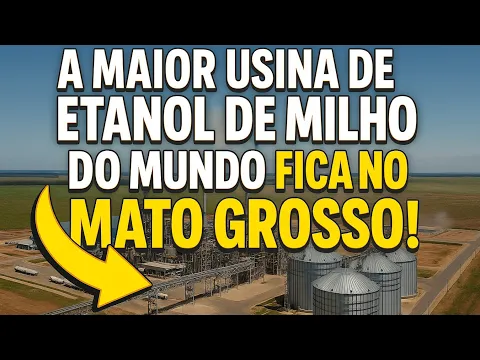
The R$ 1.1 billion investment announced by Grupo SADA will be divided between two plants with an annual production capacity of 180 million liters each:
- Eber Bio Plant, located in Montes Claros de Goiás (GO), already has 30% of the construction completed. The operation is expected to start in the second half of 2026. In addition to corn ethanol, the unit will produce corn bran and oil.
- SADA Bioenergy Plant, in Jaíba (MG), is currently in the environmental licensing phase, with operations expected to begin in 2027. The facility will have a structure similar to that in Goiás, focusing on biofuel and co-product production.
These units will be integrated into SADA Combustíveis’ operations, which already has 11 distribution bases in 9 Brazilian states. The expansion of infrastructure will allow for greater reach in supplying corn ethanol and will strengthen the company’s presence in the national biofuel market.
Biofuel and Regional Development
The construction of new plants represents not only an advance in biofuel production but also a boost to regional development. The expectation is that hundreds of direct and indirect jobs will be generated, impacting sectors such as construction, transportation, agriculture, and services.
Moreover, the project will contribute to the appreciation of local agricultural production, especially corn, promoting partnerships with producers and strengthening the biofuel production chain. The initiative aligns with the principles of the circular economy, fully utilizing available resources and reducing environmental impacts.
Partnerships with Farmers to Ensure Supply
To ensure a continuous supply of corn to the new plants, Grupo SADA began a series of events with farmers in strategic cities such as Canarana and Querência (MT), Rio Verde and Paraúna (GO), and Luís Eduardo Magalhães (BA) in September. Other editions are planned for Jaíba (MG) and Montes Claros de Goiás (GO).
These meetings aim to present the project, clarify doubts, and establish commercial partnerships that ensure the supply of the industrial units. The strategy seeks to involve farmers in the corn ethanol production chain, promoting economic and social development in the involved regions.
Expansion of Brazil’s Energy Matrix with Corn Ethanol
Brazil is globally recognized for its clean and diverse energy matrix. The inclusion of corn as a raw material for ethanol production represents an important advancement in the search for renewable and sustainable sources.
With the increase in the ethanol blend in gasoline and the growing demand for clean fuels, the national market becomes even more attractive for investments. Grupo SADA’s project is an example of how the private sector can contribute to the energy transition and sustainable development.
Additionally, the production of corn ethanol allows for greater predictability and planning, reducing the impacts of off-season sugarcane and ensuring continuous supply to the consumer market.

Modern Infrastructure and Energy Efficiency
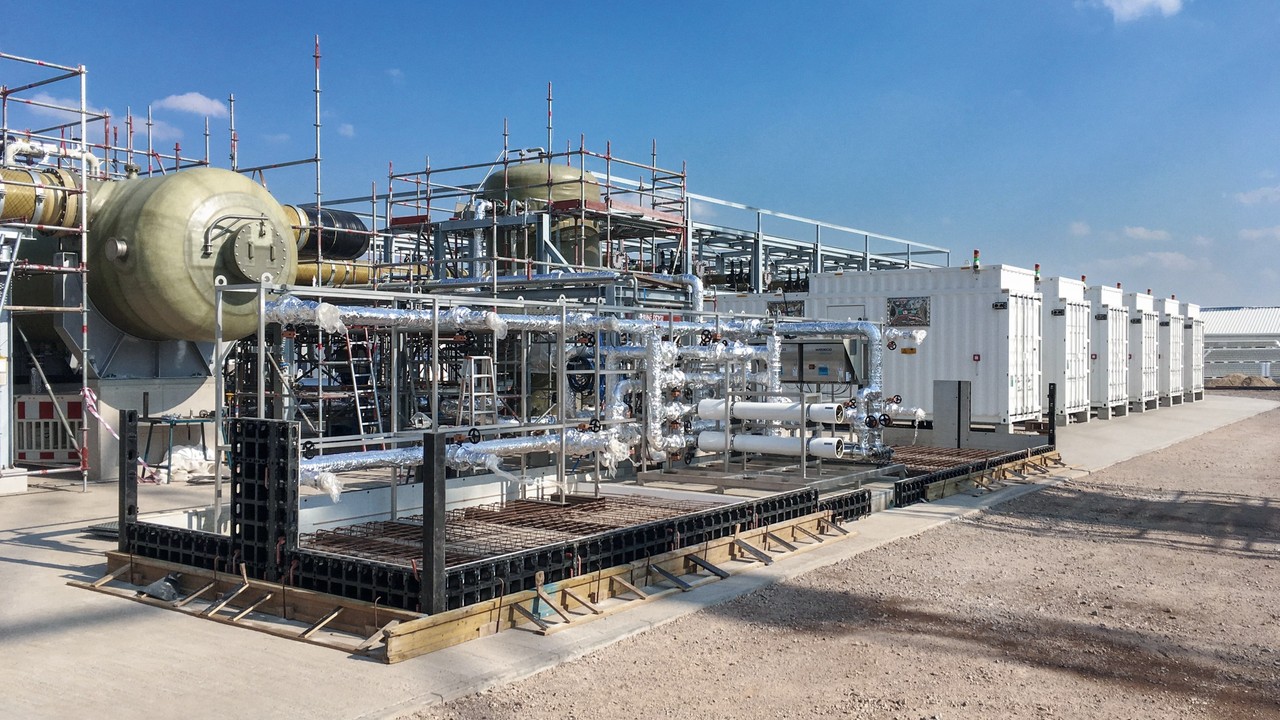
Grupo SADA’s plants will be equipped with cutting-edge technology aimed at energy efficiency and full resource utilization. The production of corn bran and oil as co-products adds value to the industrial process and expands the commercialization possibilities.
The modern infrastructure will also allow for the adoption of sustainable practices such as waste recycling, rational water use, and reduced carbon emissions. These measures align with global sustainability goals and the environmental commitments undertaken by Brazil.
Strategic Vision of Grupo SADA in the Biofuel Sector
According to Vittorio Medioli, president and founder of Grupo SADA, the investment is strategic to expand the company’s performance in agribusiness, diversify the portfolio, and strengthen its position in one of the most promising segments of the Brazilian economy.
The decision to invest in corn ethanol reflects the company’s ability to adapt to new market demands and its long-term vision. With a solid presence in logistics, industry, and energy, Grupo SADA reinforces its commitment to innovation and sustainability.
Grupo SADA’s Investment: National Impact and Export Potential
With an estimated annual production of 360 million liters of corn ethanol, the new plants will have a direct impact on the supply of biofuel in Brazil. The integration with SADA Combustíveis’ distribution network will allow efficient and agile service to different regions of the country.
In addition to the internal market, the project opens up possibilities for export, especially to countries seeking sustainable alternatives to fossil fuels. Brazil, due to its expertise and production capacity, can become a worldwide reference in corn ethanol.
The initiative also contributes to meeting the climate targets established in the Paris Agreement by promoting the reduction of greenhouse gas emissions and encouraging the use of renewable energy sources.
The Role of Investment in Brazil’s Energy Transformation
The announcement made in September 2025 marks a milestone for the biofuels sector in Brazil. The R$ 1.1 billion investment from Grupo SADA in corn ethanol plants in Minas Gerais and Goiás reinforces the commitment to innovation, sustainability, and economic growth.
With robust production, strategic partnerships with farmers, and modern infrastructure, the project has the potential to transform Brazil’s energy matrix, solidify the country as a global reference in biofuels, and promote regional development.
The bet on corn ethanol as an alternative to sugarcane demonstrates strategic vision and alignment with global clean energy trends. Grupo SADA positions itself as a key player in building a more sustainable and competitive future for Brazil.








