






 Portuguese
  Spanish
 4 min of reading
  0 comments


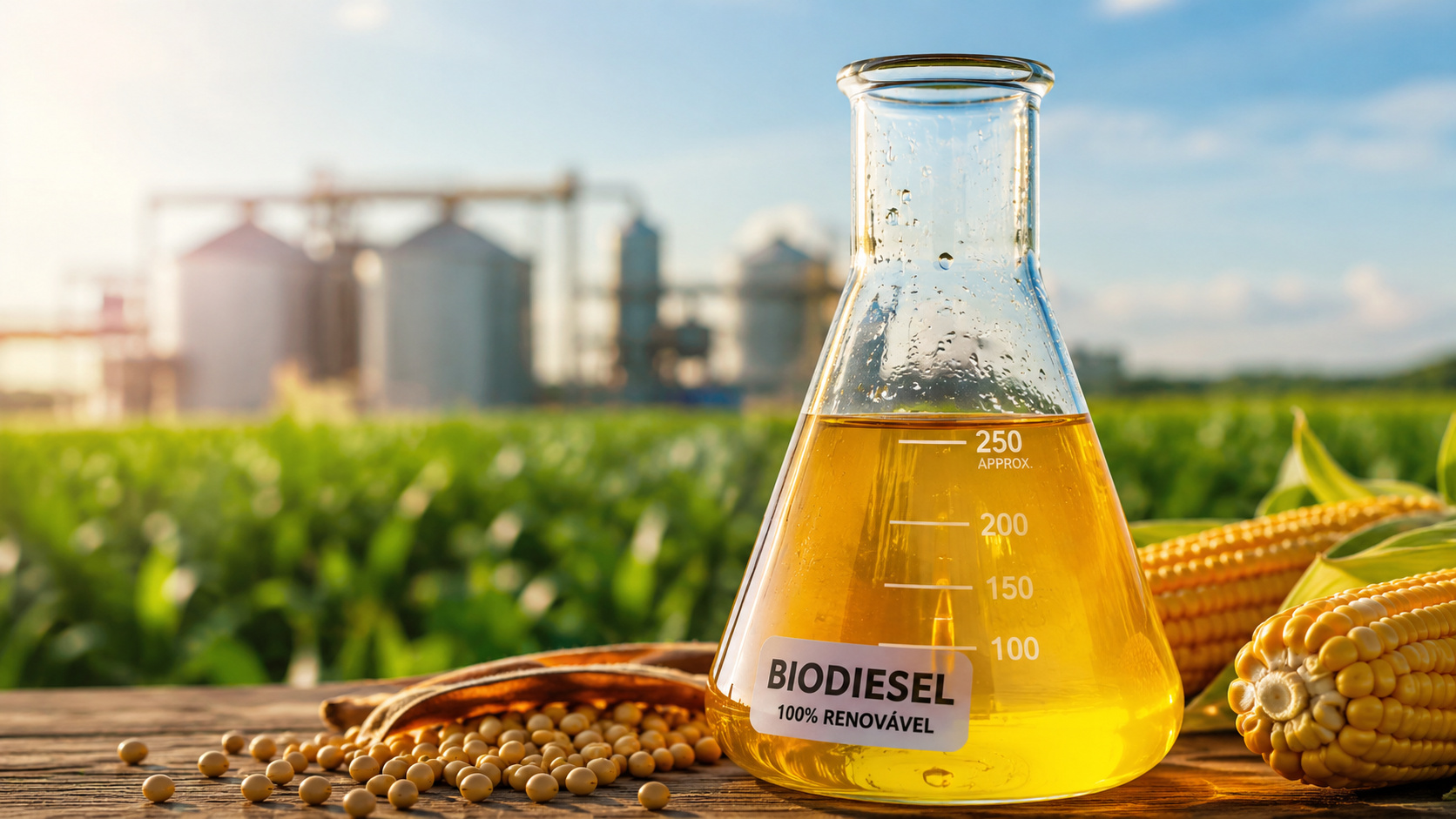
Mato Grosso leads biodiesel production in Brazil with the advancement of corn and soy ethanol and billions moved in the sustainable economy.
Mato Grosso has reached a historic milestone in the biofuels sector and reinforced its leadership in national agribusiness. Data released by Imea (Mato Grosso Institute of Agricultural Economics) on May 4 show that the state has consolidated itself as Brazil’s largest sustainable energy powerhouse, driven by the growth of biodiesel and corn ethanol.
In March alone, biodiesel production grew by 16.90% and reached 228.36 thousand cubic meters, the largest volume ever recorded in the historical series. As a result, Mato Grosso now accounts for approximately 26% of all biodiesel manufactured in the country.
At the same time, the advancement of corn and soy industrialization is transforming the regional economy, generating jobs, attracting investments, and strengthening renewable energy production.
-
US$ 7 billion, green hydrogen, and steel with up to 95% less CO₂: the first green steel plant on the planet emerges in Sweden and targets Brazil as the next chapter

-
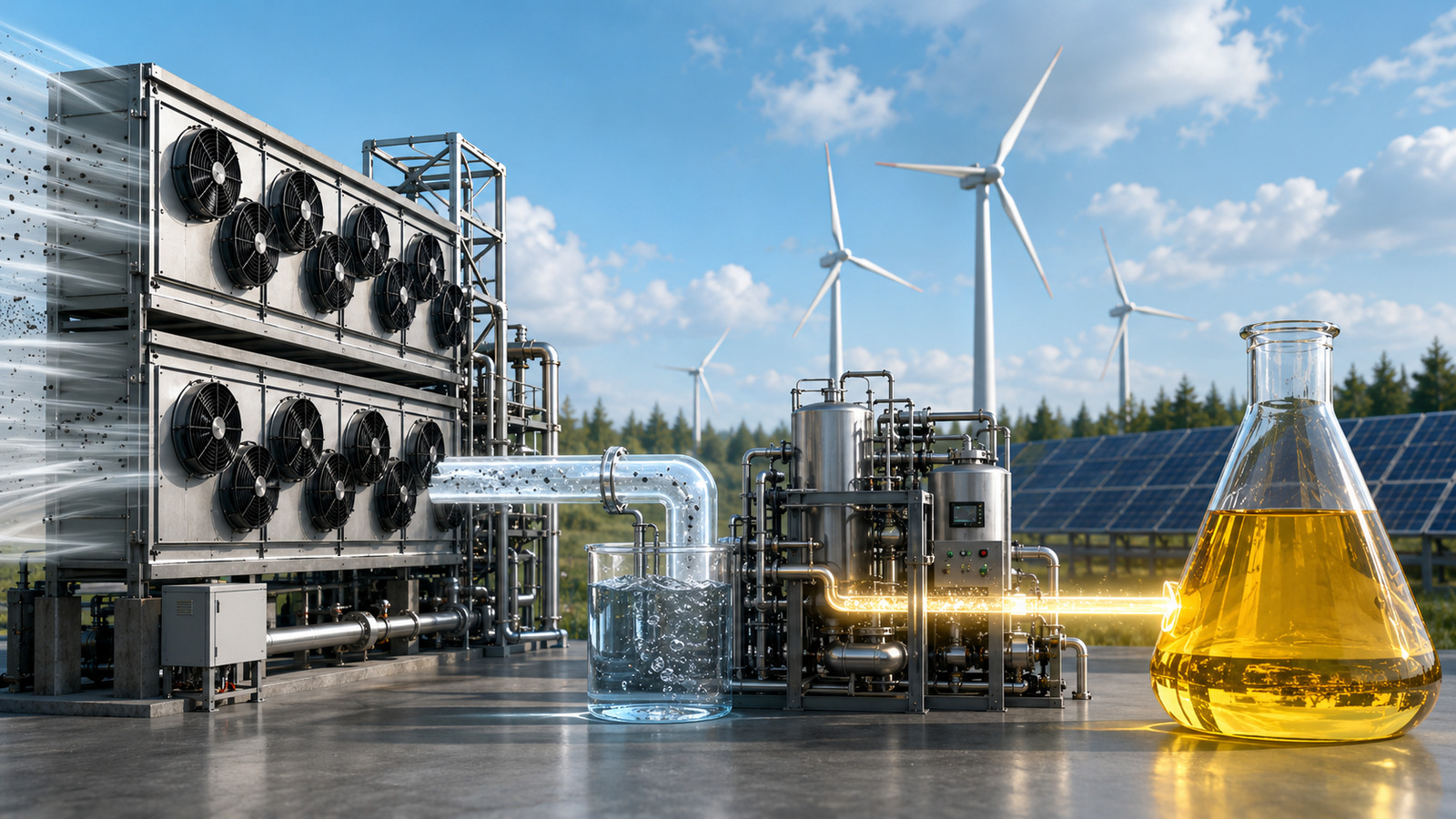
Swedes manage to create synthetic fuel with CO₂, water, and renewable energy, compatible with current engines, but face a huge problem: the energy expenditure is still double the return.
-
Brazil begins to transform wheat, residues, sweet potatoes, and soy molasses into ethanol, in a new phase of biofuels that seeks to utilize leftovers from the field and industry to fuel flex-fuel cars.

-
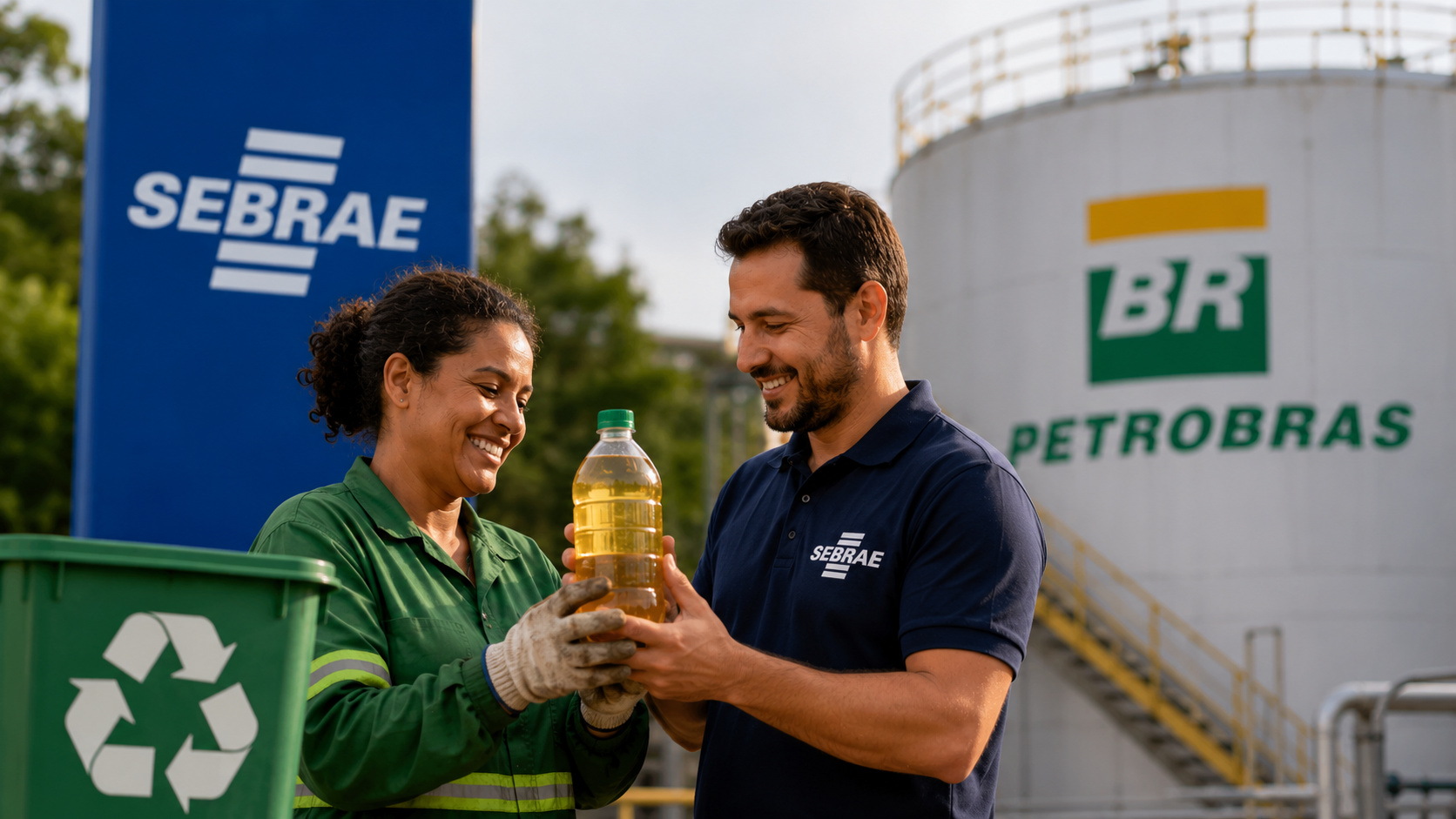
Sebrae and Petrobras join forces in Ceará to include waste pickers in the circular economy and strengthen the biofuel chain, creating new income opportunities and expanding the sustainable use of waste with a direct impact on regional development.



The strength of biofuels places Mato Grosso at the center of the Brazilian economy
The growth of biofuels has changed Mato Grosso’s role within the national economy. The state has ceased to be merely a large agricultural producer and has taken on a strategic position in the Brazilian energy sector.
Part of this advancement was driven by the adoption of the mandatory B15 blend, which increased biodiesel’s share in diesel sold in the country to 15%. The measure expanded demand for renewable fuel and strengthened Mato Grosso’s industry.
Another decisive factor is the use of soybean oil as the main raw material for biodiesel. According to Imea data, approximately 84% of production uses soy derivatives.
This scenario strengthens the integration between agriculture and industry, in addition to increasing the generation of added value within the state itself.
Corn ethanol transforms the state into a sustainable energy powerhouse
Corn ethanol has become one of the main drivers of Mato Grosso’s new economy. In the 2024/25 harvest, the state produced more than 5.5 billion liters of renewable fuel.
Of the almost 56 million tons of corn harvested, approximately 14 million were destined directly for the mills. This movement shows how corn has gained prominence in the regional energy matrix.
Currently, Mato Grosso has 12 mills in operation. In addition, another 10 units are under construction and five more are in the project phase.
This advancement reinforces the state’s positioning as a sustainable energy powerhouse and expands its relevance in the national biofuels market.
Industrialization of corn and soy generates jobs and moves billions
The growth of the biofuels industry is causing direct impacts on the regional economy. According to sector data, the production chain linked to renewable fuels supports more than 147,000 direct and indirect jobs.
In addition, the segment generated approximately R$ 833 million in ICMS revenue last year. Industrial advancement also strengthens cities like Lucas do Rio Verde, Sinop, and Sorriso.
The industrialization of corn and soy moves different areas of the economy, including:
- Transportation and logistics;
- Civil construction;
- Grain storage;
- Intensive livestock farming;
- Regional trade.
Another important highlight is the production of DDG, an ethanol byproduct used in animal feed. This material helps reduce bovine confinement costs and strengthens the competitiveness of Mato Grosso’s livestock farming.
Consumers begin to feel the effects of biofuels expansion
The growth in production in Mato Grosso can also generate positive impacts for the final consumer. With a greater supply of ethanol in the domestic market, there is a tendency for more competitive prices at the pumps.
Another important effect appears in the beef chain. The ample supply of DDG throughout the year reduces animal feed costs and improves livestock efficiency.
In addition to the economic aspect, biofuels gain importance due to their environmental impact. Increased renewable energy production helps reduce carbon emissions and strengthens the transition to a more sustainable economy.
This advancement places Mato Grosso among the main protagonists of clean energy in Brazil.
Mato Grosso accelerates investments and expands national leadership
The sector’s growth is still far from slowing down. The 10 new plants under construction and the five projects in development demonstrate market confidence in Mato Grosso’s potential.
Another important data released by Imea concerns the 2025/26 corn harvest. The projection indicates a production of approximately 52.66 million tons, favored by recent rains.
With more raw material available, the biofuels industry is expected to continue expanding rapidly in the coming years.
Today, Mato Grosso brings together strategic factors that strengthen its leadership:
- Large agricultural production;
- Strong industrial capacity;
- Logistical expansion;
- High supply of corn and soybeans;
- Continuous growth of renewable energy.
This combination places the state in a privileged position in the global sustainable fuels market.
The energy revolution redefining the future of Brazilian agribusiness
The advancement of biofuels has transformed Mato Grosso into one of the most strategic states in the country. The growth in biodiesel and ethanol production shows that Brazilian agribusiness is experiencing a new phase, marked by industrialization and the generation of clean energy.
The numbers released by Imea reinforce this structural change. The record of 228.36 thousand cubic meters of biodiesel, over 5.5 billion liters of corn ethanol, and the expansion of plants prove the sector’s strength.
More than just producing grains, Mato Grosso has begun transforming corn and soybeans into wealth, jobs, and regional development. The state consolidates its position as Brazil’s largest producer of biofuels and expands its importance in the global energy transition.
With information from CanaOnline






Be the first to react!