Portuguese
  Spanish


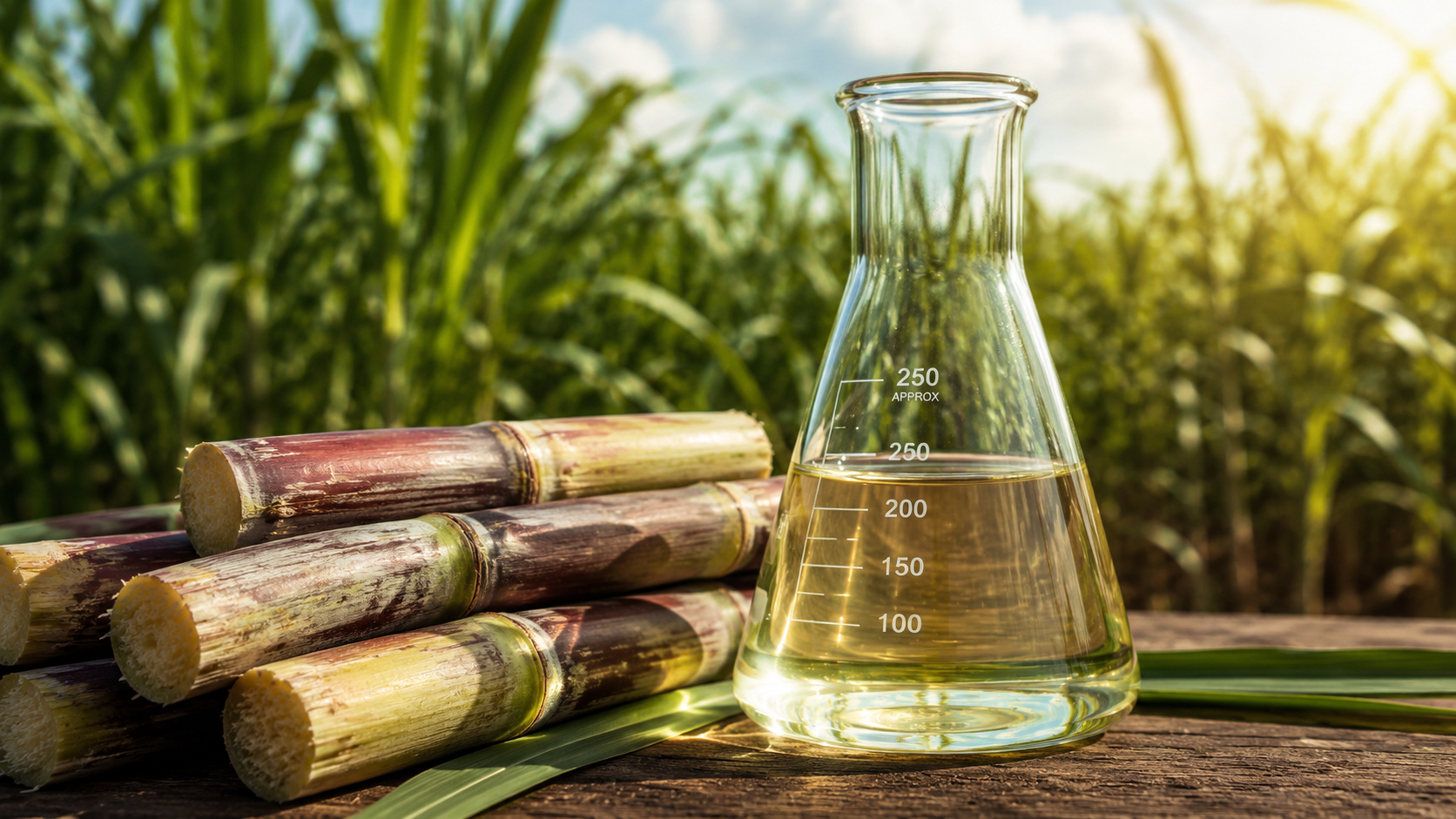

Research reveals how sugarcane ethanol can accelerate renewable energy, strengthen the automotive industry, and expand the biofuel market.
The advancement of sugarcane ethanol in Brazil has returned to the center of discussions on energy transition after a survey by the Agroicone study indicated that the country could reduce greenhouse gas emissions by approximately 19% by 2030.
The analysis shows that increasing the use of biofuel can accelerate the decarbonization of the economy without compromising food security. The research, obtained and released by CNN Brazil on May 20, also points to positive impacts on economic development, food consumption, and income generation.
In more ambitious climate scenarios, the study predicts growth of up to 6% in food consumption and an increase of between 2% and 3.5% in GDP per capita by the end of the decade. Besides the environmental issue, strengthening the renewable energy chain can have significant effects on the automotive industry, agribusiness, and sectors linked to bioenergy.
-
Brazil Advances with JetBio’s Megaproject to Build the World’s Largest Ethanol-Based Sustainable Aviation Fuel Plant, Aiming to Become a Global Exporter

-
Brazil on Track for Record 40.7 Billion Liters of Ethanol in 2026/27 Season, Driven by Corn Ethanol
-
Petrobras Approves $1.2 Billion Refinery in Brazil to Produce Aviation Fuel and Diesel from Plants
-
US$ 7 billion, green hydrogen, and steel with up to 95% less CO₂: the first green steel plant on the planet emerges in Sweden and targets Brazil as the next chapter



Agroicone study points to environmental and economic gains for Brazil
The Agroicone study evaluated the impacts of expanding ethanol production considering factors such as agriculture, land use, energy, international trade, income, and consumption. The result reinforces that the sector’s growth can simultaneously benefit the environment and the national economy.
Researcher Luciane Chiodi Bachion highlighted that the advancement of biofuels tends to increase income, consumption, and access to food, offsetting possible pressures on agricultural prices. According to her, analyzing only the value of food is not enough to measure the sector’s effects on food security.
Another important point of the survey is the conclusion that the expansion of sugarcane ethanol occurs mainly in degraded areas. This reduces pressure on new agricultural areas and minimizes disputes with food production.
Among the main positive impacts cited by the report are:
- Reduction of up to 19% in emissions by 2030
- Growth of up to 6% in food consumption
- Increase of 2% to 3.5% in GDP per capita
- Expansion of job creation in the rural and industrial sectors
- Strengthening of the Brazilian renewable energy matrix
Sugarcane ethanol gains strength as a key piece of the energy transition
The growth of sugarcane ethanol is being treated as strategic for the global energy transition. Brazil already has one of the most consolidated biofuel production chains in the world, which increases its relevance in light of international decarbonization goals.
According to Sofia Arantes, a researcher linked to the Agroicone study, more stringent climate scenarios will require greater participation of bioenergy in the coming years. In this context, replacing fossil fuels with ethanol can generate significant environmental impacts.
The sector also presents important operational advantages. The production chain has high energy efficiency, waste reuse, and self-sufficiency capability in various stages of production.
Another advantage is the use of sugarcane bagasse for electricity generation. This allows the industrial process itself to produce part of the energy consumed in the plants.


Automotive industry sees biofuel as a viable alternative
The expansion of biofuel can also transform the next steps of the Brazilian automotive industry. With international pressure for less polluting vehicles, automakers are seeking solutions capable of reducing emissions without relying exclusively on electric cars.
In this scenario, sugarcane ethanol emerges as a competitive alternative due to its already consolidated infrastructure in Brazil. Moreover, the wide presence of flex-fuel vehicles facilitates the expansion of consumption without the need for major structural changes.
The relationship between renewable fuels and sustainable mobility is expected to grow in the coming years. Several manufacturers installed in the country are studying combinations between hybrid engines and ethanol to enhance energy efficiency.
Factors that favor Brazil in this market include:
- Large agricultural production of sugarcane
- National ethanol distribution infrastructure
- Historical experience with flex-fuel vehicles
- Potential for exporting sustainable automotive technology
The strengthening of the automotive industry linked to renewable fuels can also increase industrial investments and stimulate technological innovation in the country.
Renewable energy places Brazil in a strategic position in the global market
The global search for renewable energy sources has accelerated in recent years due to climate goals set by governments and companies. In this scenario, Brazil has gained an advantage due to its relatively clean energy matrix and extensive ethanol production capacity.
The Agroicone study reinforces that the country has favorable conditions to expand production without compromising food security. Expansion in degraded areas reduces environmental impacts and strengthens the sector’s sustainability narrative.
Furthermore, the growth of sugarcane ethanol can increase international interest in investments related to the Brazilian bioeconomy. Countries seeking to reduce emissions are increasingly looking for low-carbon alternatives.
The appreciation of renewable energy also creates significant commercial opportunities for Brazil in a global market increasingly focused on sustainability.
Sugarcane ethanol production can boost jobs and income
The advancement of sugarcane ethanol impacts not only the environment. The sector also has a strong capacity to drive the national economy, especially in regions linked to agribusiness and the sugar-energy industry.
The production chain involves agriculture, transportation, logistics, the chemical industry, and energy generation. This creates opportunities in different economic segments and increases the potential for job creation.
According to the Agroicone study, the economic gains associated with the sector’s expansion help offset potential increases in food prices. The combination of income growth and increased consumption strengthens national socioeconomic development.
Another relevant point is the technological advancement of Brazilian plants. Agricultural mechanization and industrial modernization have been increasing production efficiency and reducing environmental impacts throughout the chain.
The advancement of biofuel can redefine the Brazilian green economy
The growth of biofuel produced from sugarcane shows that Brazil can occupy an even more relevant position in the global energy transition. The combination of large-scale agricultural production, established technology, and industrial capacity strengthens the country in the face of the new low-carbon economy.
At the same time, the Agroicone study reinforces that the sector’s development does not pose a threat to food production. On the contrary, the data presented indicate potential for economic growth, increased income, and strengthened energy security.
With the possibility of reducing emissions by up to 19% by 2030, sugarcane ethanol emerges as one of Brazil’s main bets to expand the use of renewable energy, strengthen the sustainable automotive industry, and expand the national presence in the global clean fuels market.
With information from CNN Brasil