






 Portuguese
  Spanish


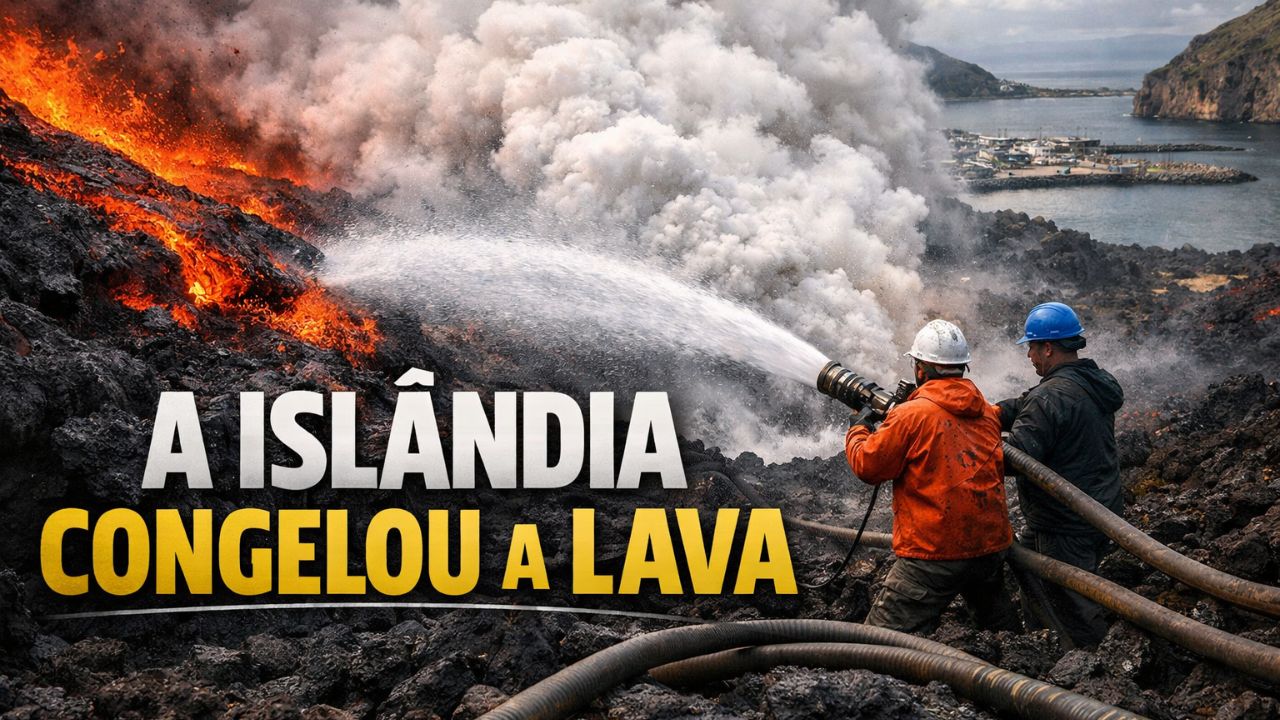


The Scene Seems Impossible, But It Happened When Iceland Decided to Use Seawater on Lava as an Emergency Tool to Contain the Advance of Fire. The Strategy Was Neither Symbolic nor Improvised; It Was a Technical Operation to Cool the Lava Front and Protect an Essential Port for Local Life.
By Turning Seawater on Lava into Continuous Action, the Country Showed That, in Certain Natural Disasters, the Response Is Not to Flee and Wait. It Is to Measure the Risk, Attack the Critical Point, and Buy Time Until Nature Loses Power.
Why Iceland Decided to Throw Seawater on Lava
When Lava Flows Down, It Does Not “Just” Burn. It Cuts Roads, Swallows Houses, Blocks Passages, and Can Close the Entrance to a Port, Isolating an Entire Community.
It Was in This Type of Scenario That Iceland Put the Solution on the Table: Seawater on Lava to Cool the Edge of the Flow and Prevent the Incandescent Mass from Sealing Maritime Access.
-
Creative Uses for Toilet Paper Rolls That Will Change Your Perspective

-
Crab Trapped in Plastic Bottle for 62 Days Near Okinawa Highlights Little-Known Impact of Marine Pollution on Small Animals
-
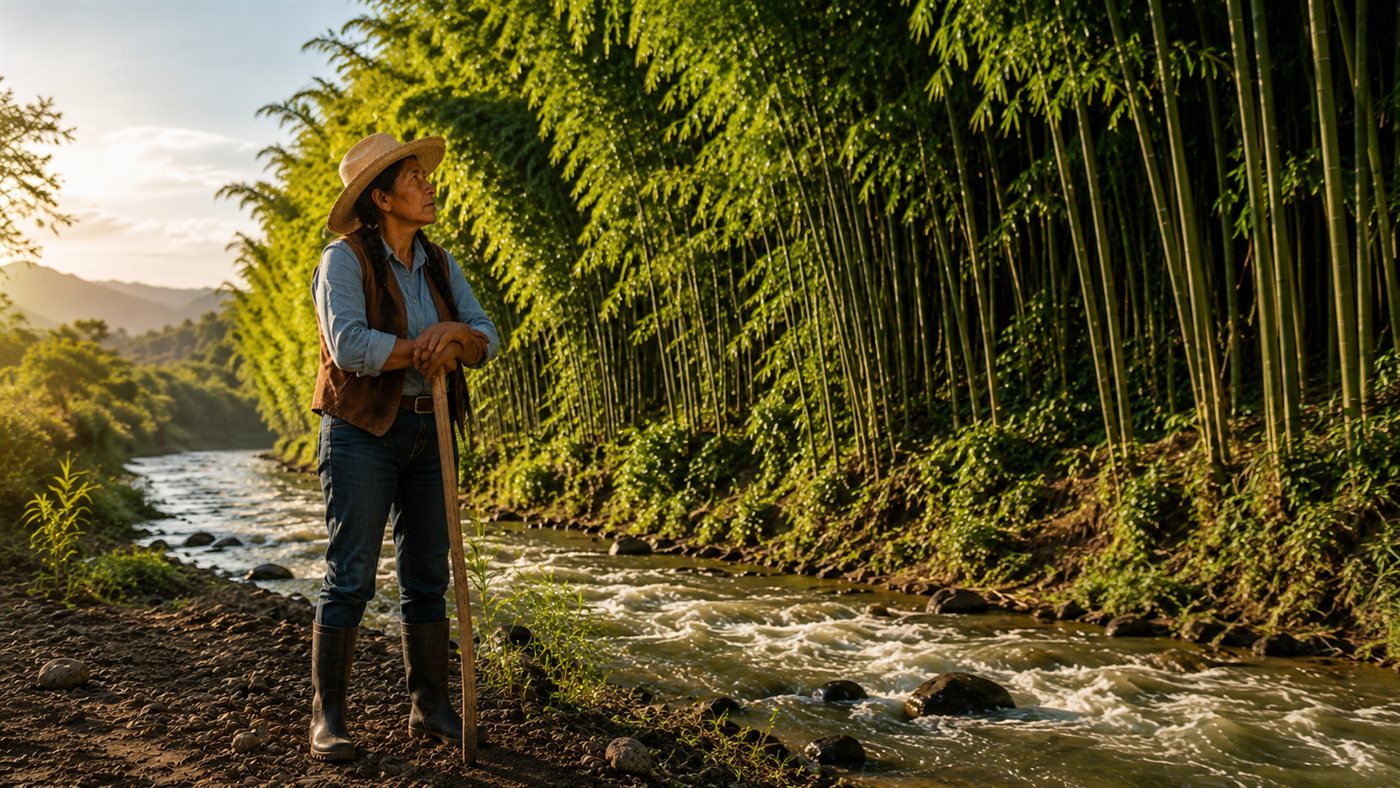
Esperanza’s Bamboo Barrier in Oaxaca Redirects River and Reduces Erosion by 85% in Five Years

-
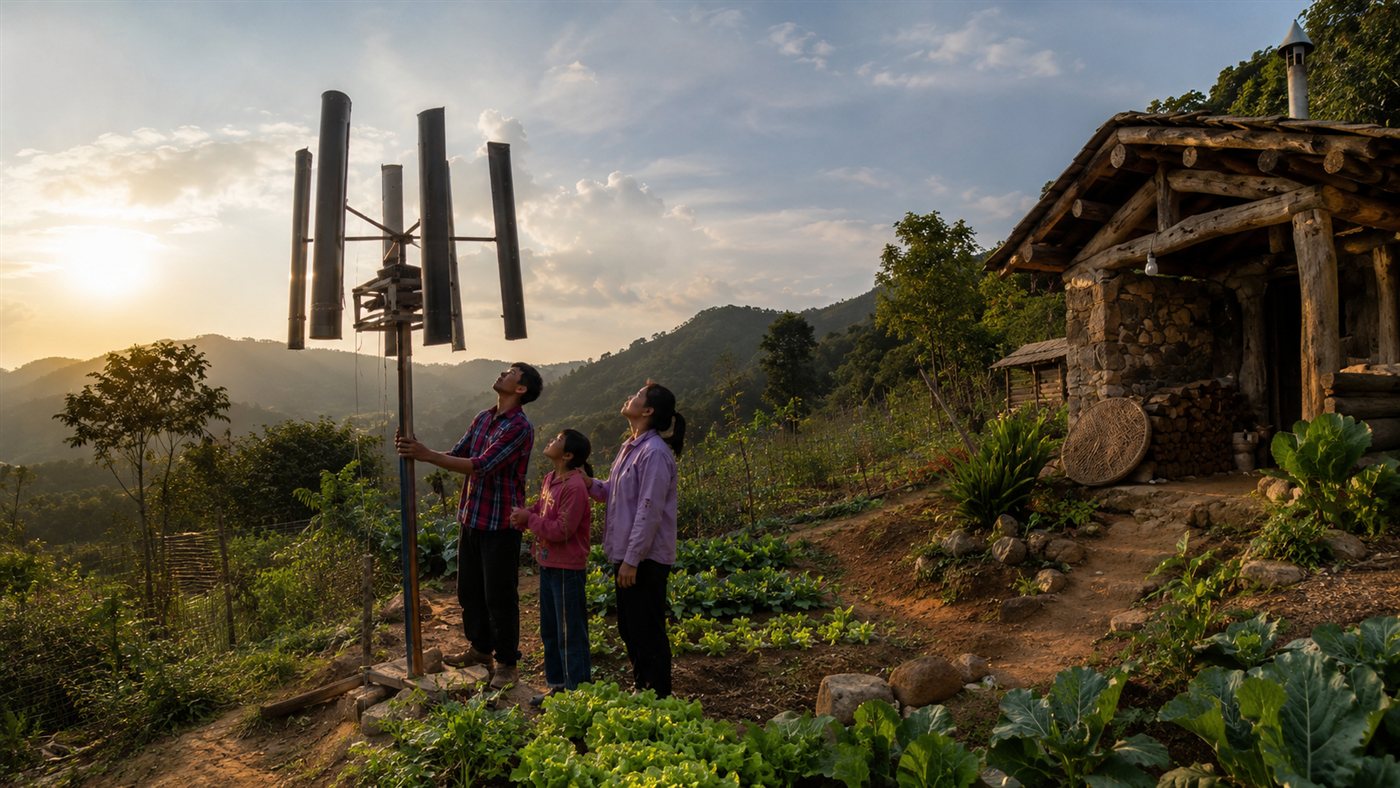
Family Builds Homemade Wind Turbine to Power Off-Grid Home, Video Reaches 555,000 Views on Ngô Thị Huyền’s Channel


The Choice of the Sea Was Not Aesthetic. Seawater on Lava Was Available in Volume, Close to the Problem, and Allowed for a Quick Response, Without Relying on Reservoirs, Rivers, or Distant Capture.
How Seawater on Lava “Freezes” a River of Fire
The Idea Is Simple to Understand and Difficult to Execute: By Launching Seawater on Lava, the Surface Loses Heat, Forms a Crust, and Becomes More Resistant.
This Crust Acts as a Temporary Barrier, Changes the Behavior of the Flow, and Can Force the Path of the River of Fire to Shift, Slow Down, or Lose Energy.
But It Is Not “Turning Off” Lava. It Is Directed Cooling. Seawater on Lava Creates a Sequence of Hardened Layers While the Hot Mass Tries to Continue Advancing from Below and the Sides. The Effectiveness Depends on Constancy, Logistics, and Choosing the Right Application Point.
The Engineering Operation That Saved a Strategic Port


The Decisive Part Is Not to Throw Water. It Is to Sustain the Operation for a Sufficient Time to Achieve Practical Results. Iceland Needed to Treat Seawater on Lava as an Emergency Project, with a Team, Supply Line, Hose Control, Repositioning, and Attention to the Terrain.
The Goal Was Clear: Save the Strategic Port, Keeping the Entrance Functional and Preventing the Blockage from Transforming a Geological Disaster into Economic and Logistical Collapse.
New Lands, New Risks, and the Cost of Improvisation

A Side Effect of Containing and Redirecting Lava Is That Geography Changes. When Seawater on Lava Accelerates Hardening, the Covered Area Becomes Rock Faster and Can Stabilize Sections That Would Otherwise Continue Advancing or Collapsing.
This Creates New Lands and New Coastal Borders, but Also New Risks: Unstable Ground, Residual Heat, Gases, Cracks, and Weak Areas That Appear Solid. The Victory Is Not the “End of the Volcano”; It Is Reducing Damage and Avoiding the Worst.
What This Story Teaches About Engineering in Natural Disasters

The Lesson Is Clear: Engineering Does Not Nullify Nature, but It Can Negotiate with It. By Using Seawater on Lava Continuously, Iceland Showed That Quick Decisions, Available Technology, and Impact Strategy Can Change the Outcome of a Crisis.
It Also Sends a Message to Any Country Exposed to Extreme Events: Preparation Is Not Just a Plan on Paper. It Is Having Protocol, Equipment, Command, and Technical Courage to Act When the Window of Time Is Short.
Do You Think That If a Similar Scenario Happened Today, Brazil Would Have the Structure and Decision to Use a Solution Like Seawater on Lava to Protect a City or Port?


