






 Portuguese
  Spanish
  3 min of reading
  1 comment


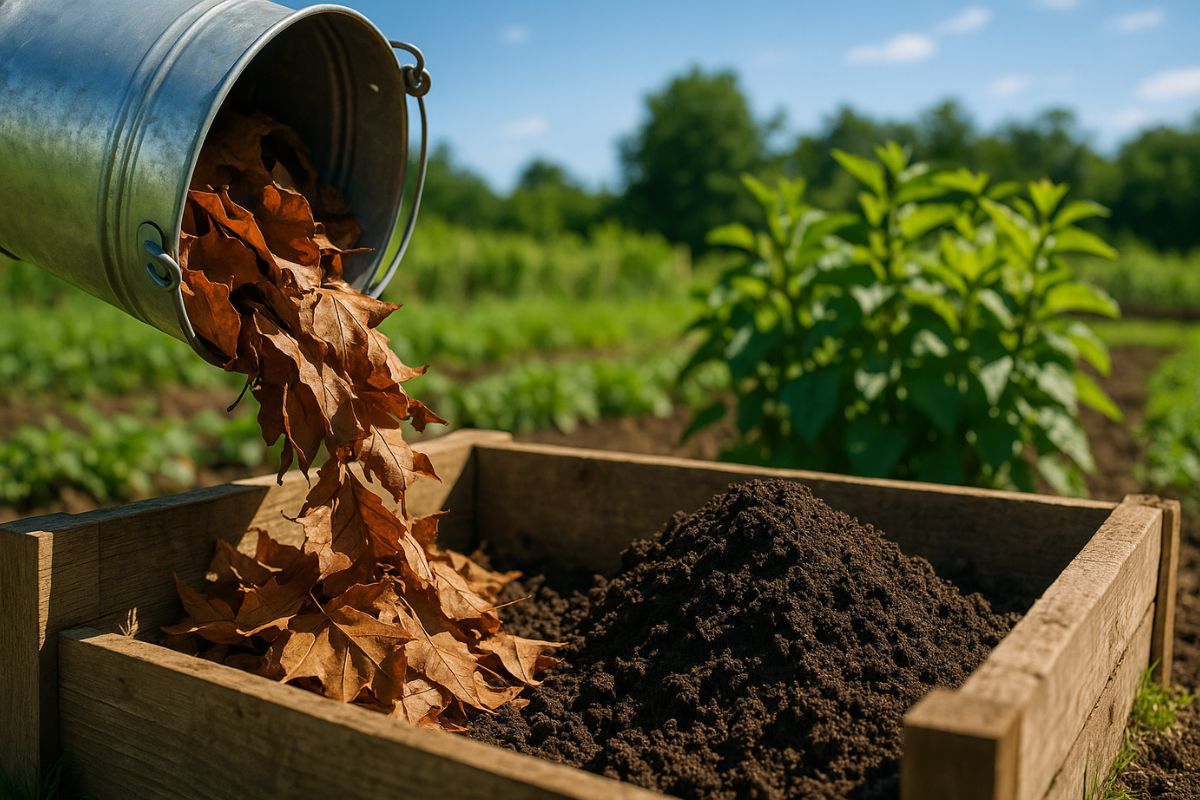


Instead of Throwing Away, It Is Possible to Reuse Dry Leaves and Kitchen Scraps to Create Organic Compost, Which Improves Soil Quality, Loosens the Soil, Retains Moisture, and Reduces the Need for Chemical Fertilizers; The Expert from the Channel Horta da JapoNeuza Teaches an Accessible Step-by-Step to Do at Home.
Many people still throw dry leaves in the trash without imagining that they can be transformed into a valuable resource for the garden or for pots at home. With simple techniques, it is possible to produce organic compost and reduce waste by utilizing scraps that would end up in the landfill.
According to the content producer from Horta da JapoNeuza, this type of organic fertilizer helps keep the soil hydrated, prevents the soil from becoming compacted, and can be prepared in boxes, bags, or improvised containers. The process is accessible, economical, and ideal for those seeking more sustainability in cultivation.
Why Invest in Organic Compost
The use of organic compost is a sustainable alternative that replaces chemical fertilizers and strengthens the structure of the soil.
-
Survivor of 1966 SS Daniel J. Morrell Shipwreck in Lake Huron Recounts 38-Hour Ordeal in Extreme Cold

-
The Greatest Hoax in World Cup History? The Film That Denied Brazil’s 1958 Victory and Exposed How Fake Evidence Can Seem Convincing on TV
-
Fake South Korean Online Stores Offer Shopping Thrill Without Spending Money or Receiving Products
-
The War of Jenkins’ Ear: How a Severed Ear Sparked One of the 18th Century’s Most Unusual Conflicts


According to Horta da JapoNeuza, this type of preparation improves aeration, increases nutrient retention, and also promotes cost savings in caring for plants.
Another benefit is the reduction of household waste.
Scraps of leaves, rice water, or even water from cooking vegetables can be reused in the decomposition process, generating a fertilizer rich in organic matter and nutrients.
How to Prepare at Home
The method is simple and can be done in any space.
Just use Styrofoam boxes or sturdy bags, always with holes in the bottom to facilitate ventilation.
The first layer should be finely chopped dry leaves, which accelerates decomposition.
Then, it is important to moisten the leaves.
According to Horta da JapoNeuza, rice water or water from cooking vegetables is ideal, as it contains extra nutrients and helps maintain moisture.
The secret is to keep the material moist without soaking it, covering it with cardboard, plastic, or another material that preserves hydration.
Maintenance and Preparation Time
Every ten days or two weeks, it is recommended to open the container, mix the material, and check if it is moist.
If necessary, simply add more nutrient-rich water. As the volume of leaves decreases, new layers can be added.
In just a few weeks, the bottom of the container already shows dark, crumbly material, ready for use.
This compost can be incorporated into the plants’ substrate, improving soil texture and preventing compaction that hinders root growth.
Ready Alternative for Those Without Space
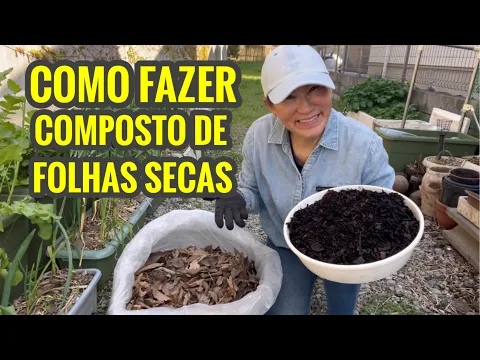

For those who do not have time or space, the expert reminds that organic compost can also be purchased ready-made at garden centers and specialized stores.
There are options of different sizes, but the essence is the same: a 100% natural product, free of chemicals, and ready to enrich the soil.
Transforming dry leaves into organic compost is a practical way to reduce waste, save money, and take better care of plants.
As shown by Horta da JapoNeuza, it is a simple process, adaptable to any space, and capable of generating quick results in cultivation.
And you? Have you tried making your own compost at home? Do you think it’s worth preparing from scratch or buying ready-made? Share your experience in the comments — your practice may inspire other readers.





Adoro materias de reaproveitamento.