






 Portuguese
  Spanish


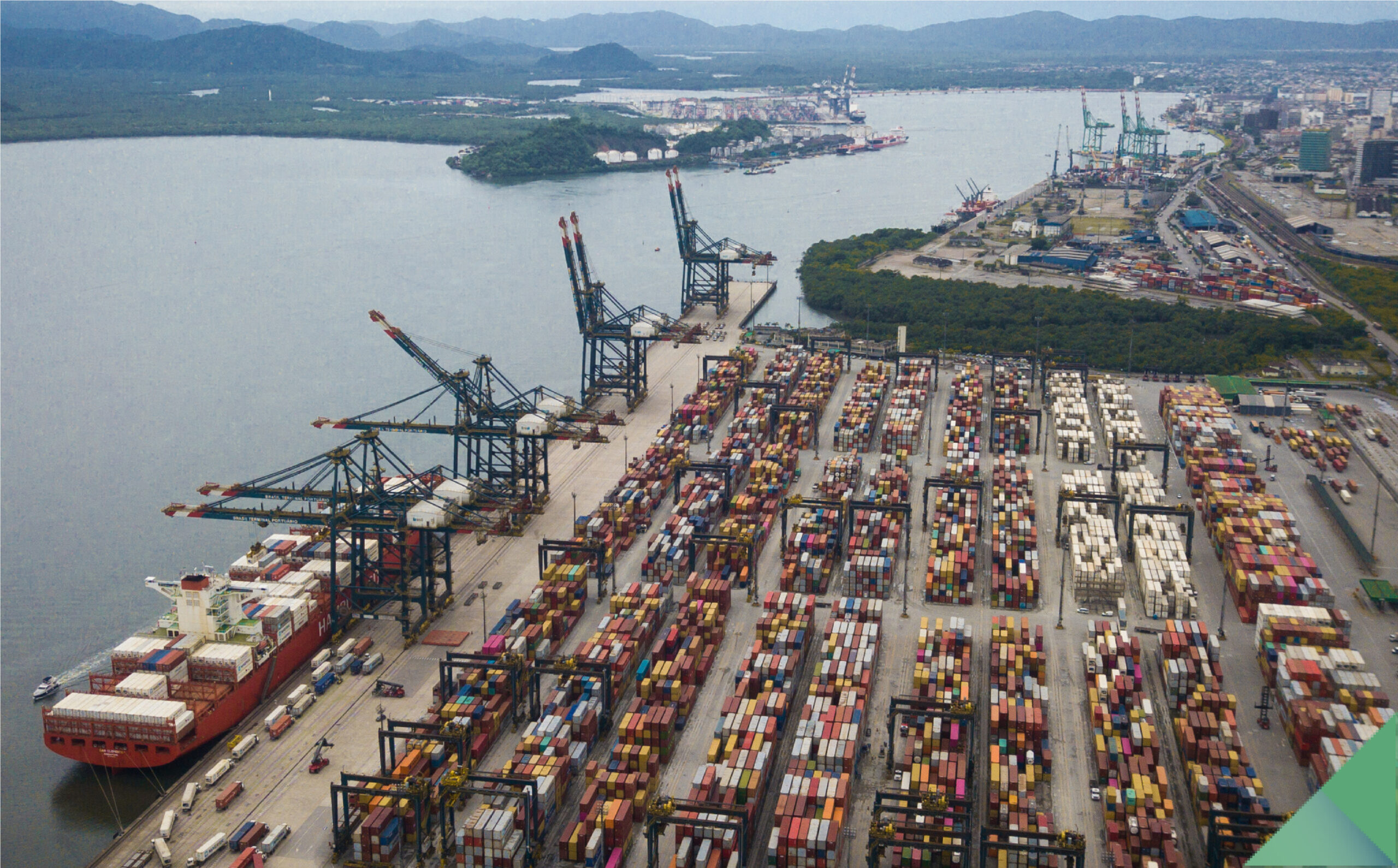

The Cancellation of the Sale of the Santos Maritime Terminal Would Be the First Action of the New Ministry of Ports and Airports, but This Decision Could Change
Announced as the first measure of the Ministry of Ports and Airports, created by the Lula government, the cancellation of the privatization of the Port of Santos may no longer happen. Thus, the Santos maritime terminal, which is the largest in Latin America, could be sold to the private sector, as already planned by the government of Jair Bolsonaro.
This week, the governor of São Paulo, Tarcísio de Freitas, was personally at the Palácio do Planalto in Brasília and discussed the privatization of the Port of Santos with Lula. According to reports, the president told Freitas, elected by a bolsonarist base, that there are no dogmas when it comes to selling the terminal.
This was a sign that the decision regarding the privatization of the Port has not yet been finalized or that Lula may have reversed his stance against this privatization. Still in December, before taking office, the leftist made a speech about there being no privatizations during his government. The transition team had also expressed opposition to the sale of the port.
-
At 14 years old, she worked in a factory in Hong Kong, studied economics abroad, and then entered the Chinese real estate market, which helped change the landscape of Beijing.

-
While NATO secured more than $10 billion in missiles and space surveillance at a single forum, Brazil still spends 1.1% of its GDP on defense and is stalling its own anti-aircraft system.

-
Corn ethanol attracts R$ 23 billion in 21 new plants and prepares for a nearly 50% jump in Brazilian production by 2027, even with high interest rates.
-
A newly opened terminal in the middle of the Amazon has begun transporting soy and corn through Amapá, eyeing the queue of ships that is congesting the ports in the South.


On the other hand, Tarcísio de Freitas stated that he would review some points of the privatization tender for the Port of Santos. The document was created by him when he was still the Minister of Infrastructure under Bolsonaro. Initially, the project provided for a private investment of up to R$ 20 billion in the terminals of the Port of Santos over 30 years of concession.
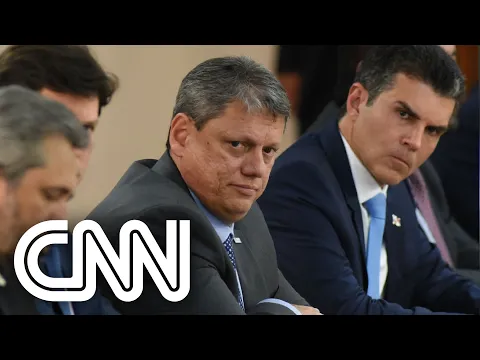

To Privatize or Not the Port Authority in Santos is a Crucial Point for Lula’s Approval
Still within the tender proposed by Tarcísio de Freitas for the sale of the Port of Santos when he was minister under Bolsonaro, there is a highly significant item for Lula’s allies, which is the privatization of the Port Authority.
The Port Authority is responsible for customs management, overseeing the entry and exit tariffs of products. Privatizing this role would put profits in the hands of foreign investors. The Port Authority is also involved in maritime security.
Handing Over the Port of Santos to the Private Sector Causes Divergence Within Lula’s Government
The idea of selling the Port of Santos exposes a divergence among Lula’s own ministers. The Minister of Ports and Airports, Márcio França, is against privatization. Meanwhile, the Minister of the Civil House, Rui Costa, who is mainly responsible for the Partnerships and Investments Program, claims that nothing is off the table.
Márcio França argues that no one would hand over the port authority to the private sector. “No one in the world does this. There’s only one case in Australia, and it didn’t work. This debate is overcome. The Brazilian people have already decided in the election that they do not want privatization,” he declared, believing that Lula could not reverse the decision not to sell the port.
On the other hand, Rui Costa asserts that the privatization of the Port of Santos is not within this fundamentalism. “President Lula wants investments, and we will seek the best model for each investment. We will adjust the modeling. There are no dogmas, and for each project and situation, we will design the best possible model. Whether it’s privatization, concession, or PPP, we will identify what’s best for each project. What matters is attracting public and private investment for the country’s infrastructure,” he says.
It seems that in order to reach a general consensus that is good for Brazil’s economy, the concession could occur, but not completely. Only parts of the port, such as the channel and terminals, for example; and the port authority would continue under the government.








