






 Portuguese
  Spanish


NASA returns to the spotlight with a tool that transforms names into real images of Earth seen from space, reuses historical records from the Landsat program, and blends curiosity, science, and planet observation into a simple and visual experience
NASA saw one of its most curious tools strongly recirculate on social media after new posts were made on Earth Day, celebrated on April 22. The page allows anyone to type a word and see the result assembled with real images of Earth captured by satellites, in a composition where rivers, islands, mountains, lakes, and other landscapes form letters.
What explains the tool’s renewed success is the combination of immediate visual effect and a solid scientific basis. The playful tool uses images from Landsat, a program maintained by NASA in partnership with the United States Geological Survey, which has been observing the Earth’s surface since 1972. In other words, behind the feature that goes viral on social media is an archive that has been tracking transformations in forests, cities, plantations, rivers, coastlines, and other areas of the planet for over 50 years.
What is the NASA tool that writes names with landscapes seen from space
The tool became known for transforming words into a sequence of letters formed by real images of Earth. Each character displayed on the screen corresponds to a satellite record where a landscape, observed from above, visually resembles a letter of the alphabet.
-
Teen Invents Biodegradable Material from Shrimp Shells That Decomposes 1.5 Million Times Faster Than Regular Plastic

-
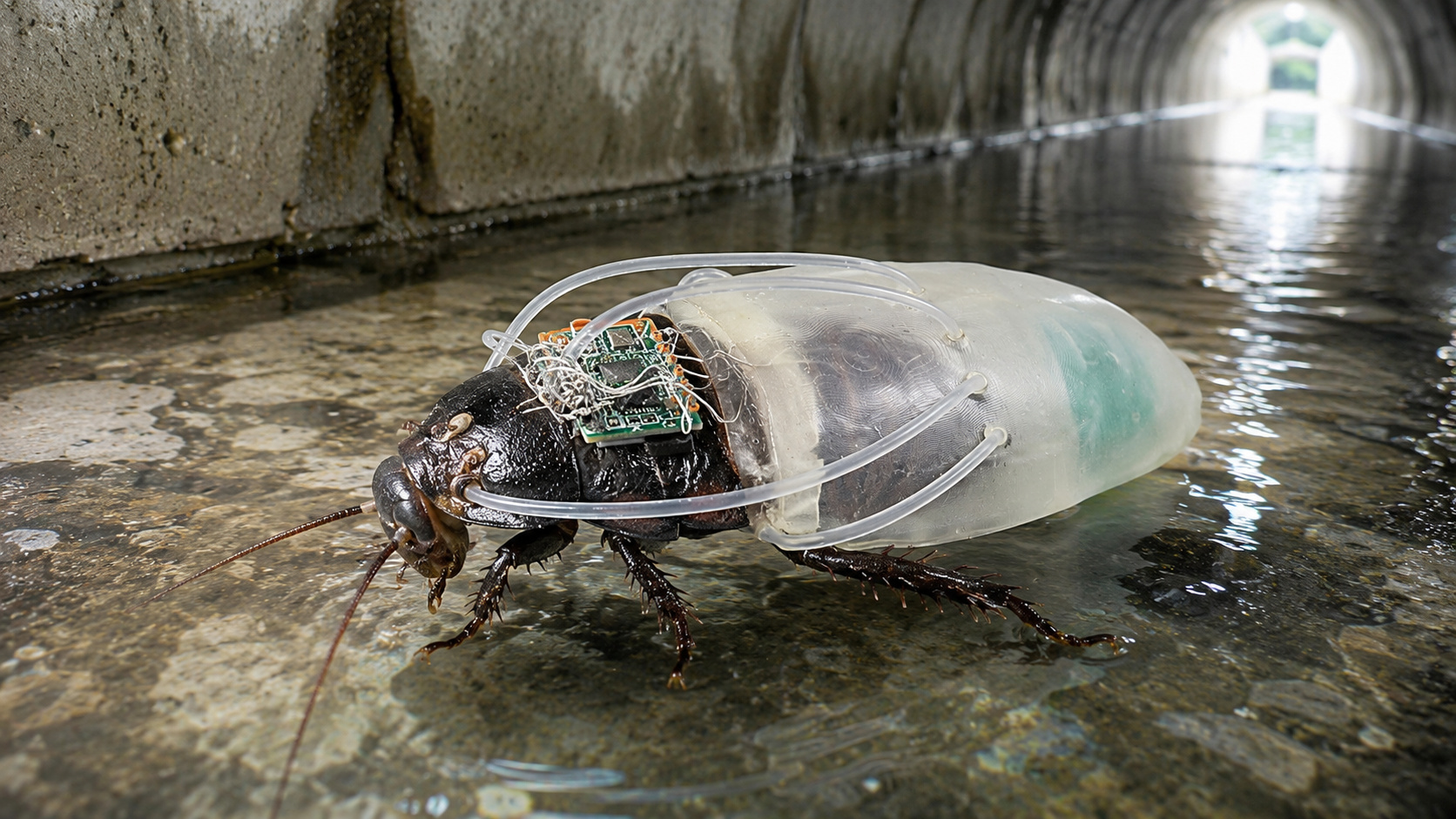
Scientists Develop Diving Suit for Cyborg Cockroaches to Survive Underwater for 3 Hours, Navigate Flooded Tunnels, and Aid in Disaster Rescue Missions, with Potential for Mars Exploration
-
Xiaomi Unveils Ultra-Slim Washer-Dryer with Over 30 Programs, Hygienic Steam, Smart Drying, 15-Minute Quick Wash, App Control, and Space-Saving Design

-
Brazilian Researchers Develop Ultrasound-Based Breast Scanner Using Warm Water, Currently Undergoing Clinical Validation



This approach makes the page stand out because it delivers a simple yet very striking experience. Instead of generating artificial letters, NASA uses shapes found in nature itself and in different regions of the world, which transforms each name into a visual montage based on real elements of the planet.
How the game that went viral again works

The “Your Name In Landsat” website can be accessed by clicking here.
The operation is straightforward. The user types a word, and the system assembles the composition using images from the Landsat archive. The result can form short words, such as “hi” and “sun”, up to much longer terms, as long as they follow the platform’s rules.
The simplicity helps explain the new wave of popularity. The tool does not require complicated registration or technical knowledge to generate the result. In a few seconds, the user already sees the word written with satellite records, which makes the experience highly shareable.
What can and cannot be written on the page
The platform only accepts letters from A to Z of the English alphabet. This means the tool does not work with accents, spaces, numbers, or other special characters. In practice, single words work, but two separate words do not enter the composition.
This detail directly affects the experience. Terms like “BRASIL” and “GLOBO” work normally, while combinations with numbers, such as “g1”, are excluded. It is also necessary to adapt words with accents, removing the diacritics for the composition to be accepted.
The numbers that explain why the scientific basis attracts attention

Behind the viral tool lies an Earth observation program with a historic scale. Landsat has been monitoring the planet’s surface since 1972, which means over 50 years of continuous records.
This collection is not just for visual fun. The images used belong to a scientific database that documents changes in forests, rivers, cities, crops, coastlines, and other regions of the globe. This gives the NASA tool an important differential: it blends entertainment with a legacy of Earth observation built over decades.
What appears behind each letter formed by NASA
One of the most interesting aspects of the experience is that the page doesn’t just show the finished word. It also allows you to click on each image to discover where that letter, formed by landscapes seen from space, came from.
In the example cited with the word “sol” (sun), one of the letters originates from a stretch of the Chapare River, in Bolivia. Another comes from the Manicouagan reservoir, in Canada. The third shows a landscape in Xinjiang, China. In some cases, the tool also provides the geographic coordinates of these locations, which enhances the exploratory side of the experience.
Why the tool is circulating on social media again now
The page isn’t new, but it gained new momentum after NASA profiles republished the test during activities related to Earth Day. This move made the tool reappear for a new wave of users and rekindled the curiosity of those who were already familiar with the concept.
This type of resurgence works because it brings together three strong elements for virality: quick results, strong visual appeal, and a connection to a globally recognized brand. When NASA combines real images of the planet with personalized interaction, its reach on social media tends to grow easily.
What changes in practice for those who use the page

In practice, the tool delivers a personalized experience in a very simple way. The user not only sees their name or favorite word written in an unusual way but also comes into contact with real Earth images captured by satellite.
This creates an interesting effect. A seemingly visual game ends up bringing the public closer to a relevant scientific base, showing that records used to monitor the planet can also be presented in an accessible and engaging way.
Why Landsat remains important far beyond the game
Although the current buzz comes from its visual appeal, the tool’s real weight lies in the archive that sustains it. The Landsat program is used to track environmental and territorial transformations over time, becoming a reference in monitoring the Earth’s surface.
By using these images to form words, NASA ends up giving new visibility to work that goes far beyond social media. The same database that entertains users also helps observe changes in natural and urban areas on a global scale.
A simple tool that transforms space science into popular language
The page’s renewed success shows how simple experiences can bring the public closer to complex scientific topics. By exchanging technical explanations for a direct visual interaction, NASA manages to transform Earth observation, satellites, and environmental monitoring into something easy to understand and share.
It is precisely this combination that keeps the tool alive even years after its creation. It doesn’t just depend on novelty, but on the ability to unite curiosity, personal identity, and real images of the planet in a single experience.
If you could test a name or word right now on this NASA tool, what would you write first to see the Earth forming each letter?


