






 Portuguese
  Spanish


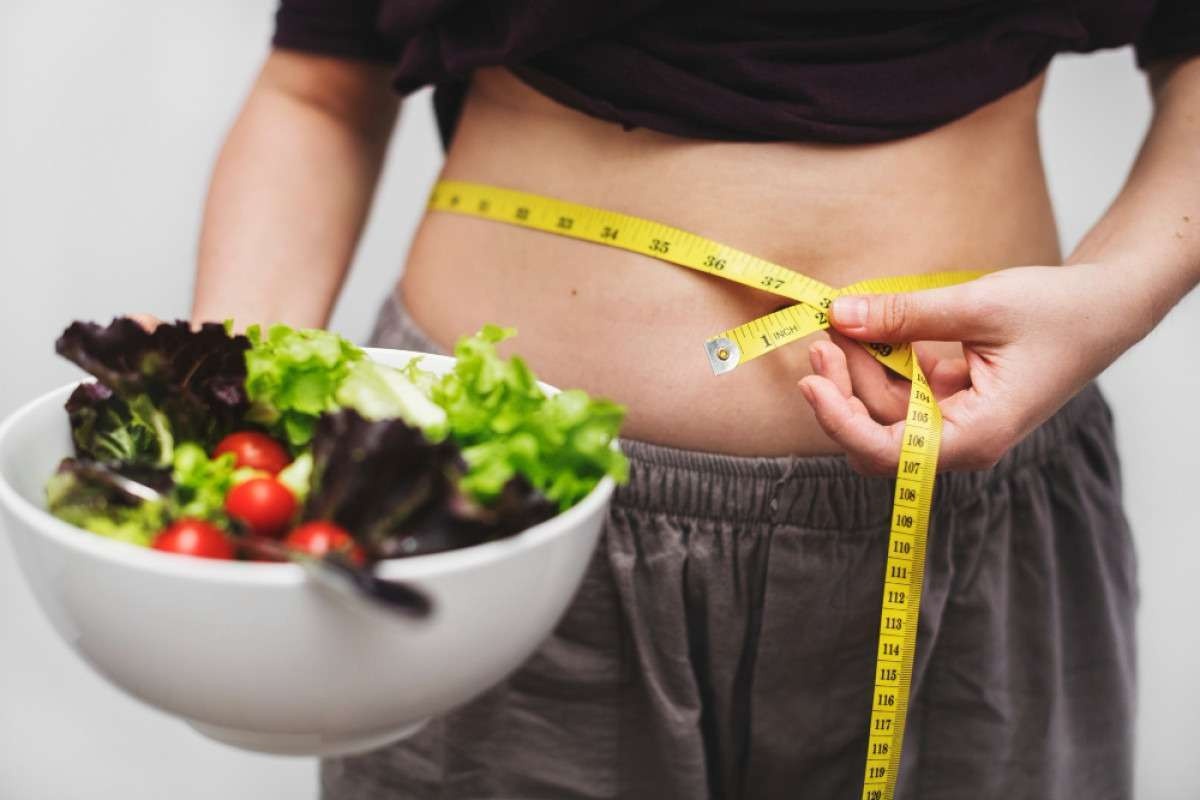

Are You Trying to Lose Weight, But Without Giving Up Health and Muscle Mass? See How to Avoid Muscle Loss.
Reducing weight on the scale without compromising health is one of the biggest challenges for those seeking weight loss. Weight loss should be accompanied by the preservation of muscle mass — essential for metabolism, strength, and the body’s balance.
According to experts, this care ensures not only a healthy aesthetic body but also a functional one.
Physician Elaine Dias, a metabolism specialist and PhD in endocrinology from USP, warns: “losing weight in a healthy manner is not just about seeing the scale number drop — it’s about preserving what the body has that is functional and valuable: muscle.” For this, balanced nutrition, hydration, physical activity, and individualized strategies are essential.
-
In the Caucasus Mountains, a Community Preserves a Language So Rare Few Outsiders Can Understand It

-
Slovakia’s Ice Cave Holds Over 110,000 m³ of Frozen Wonders, Boasts Walls Up to 27 Meters Thick, and Was Among the First Electrified Caves Globally

-
Street Cleaner Accidentally Receives $200,000 Transfer, Returns Unexpected Fortune to Rightful Owner
-
Australian Space Agency Investigates Six Mysterious Metal Spheres Found on Queensland Beach, Isolating Area Over Possible Space Debris Risk





Why Does the Body Lose Muscle During Weight Loss?
During the weight loss process, the body enters a caloric deficit — that is, it consumes less energy than it expends. This is the basis for weight loss.
However, if this restriction is too intense or poorly planned, the body starts to conserve energy and may see muscles as “unnecessary expenditure.”
This defense mechanism is compared to that of a company in crisis: it cuts the most expensive sectors to survive.
Therefore, well-adjusted strategies are fundamental to maintaining muscle and safely burning fat.
Hydration and Protein: The Basis of Muscle Health
Keeping the body hydrated is more than an aesthetic issue: it is vital for preserving muscles. Approximately 70% of muscle composition is water.
In addition to water, adequate protein intake is essential. The International Society of Sports Nutrition recommends between 1.4g to 2.0g of protein per kilogram of body weight per day.
This means that a person weighing 70 kg needs to consume between 98g to 140g of protein daily.
Foods such as eggs, lean meats, beans, lentils, natural yogurt, and tofu are good protein sources and should be present in meals. The ideal proportion, according to experts, is that at least one-third of the plate is composed of proteins.
Moderate Caloric Deficit to Preserve Muscles and Health
One of the biggest mistakes for those wanting to lose weight quickly is drastically reducing caloric intake. This can lead to immediate weight loss, but at the expense of muscles and metabolic health.
For women, especially those who already have low muscle mass or are in menopause, this number can drop to 300 calories per day, respecting individual metabolism.
Muscle loss slows down metabolism and increases the risk of the dreaded yo-yo effect. Therefore, losing weight gradually and consistently is safer and more effective.
Strength Exercises: Allies in Combating Muscle Loss
Moving the body is essential, but the type of exercise chosen makes all the difference. To maintain (or even gain) muscle during weight loss, the ideal approach is to focus on strength training, such as weightlifting.
Even if the initial focus of the body is to lose fat, well-planned strategies allow progress on both fronts — especially in women after menopause.
Keeping muscles active also helps prevent diseases such as obesity, type 2 diabetes, hypertension, and cardiovascular problems, which become more frequent with age.
Muscle: A True Organ for Health
More than aesthetics, muscle is an organ that directly influences the global health of the body. It produces essential hormones, such as irisin, which is linked to improved brain function and reduced risk of neurodegenerative diseases, such as Alzheimer’s and Parkinson’s.
According to experts, prioritizing the maintenance of muscle mass is a way to ensure quality of life, mobility, strength, and autonomy in old age. In other words, aging with more health.


