Portuguese
  Spanish


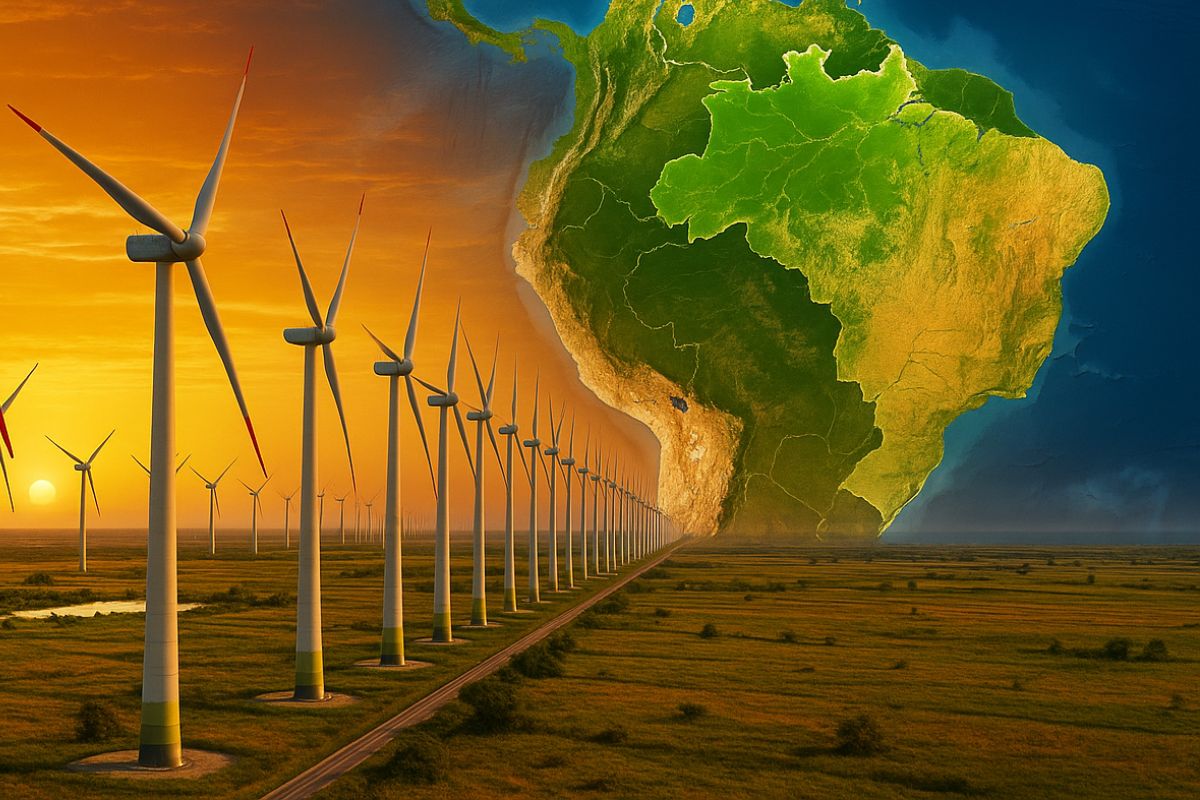


Get To Know The Lagoa Dos Ventos Complex, The Renewable Energy Giant That Consolidated The Northeast As A Wind Powerhouse, But Also Faces Socio-Environmental Controversies.
In the hinterland of Piauí, an army of white giants transforms the force of the winds into clean energy for millions of Brazilians. The Lagoa dos Ventos Wind Complex, operated by Enel Green Power, is currently the largest wind farm in Brazil and all of South America. With an installed capacity that has already surpassed 1.5 GW, the venture is a pillar of the country’s energy transition.
Built in phases over three years, the complex is an example of Brazil’s strength in renewable energy generation. However, behind the impressive engineering and record numbers, the project has also become a case study on the complex social and environmental challenges accompanying the expansion of the energy frontier in the northeastern hinterland.
Where Is It And What Is The Actual Size Of The Wind Giant?
The largest wind farm in Brazil is not in a single location but spreads over a vast area in the municipalities of Lagoa do Barro do Piauí, Queimada Nova, and Dom Inocêncio, in southeastern Piauí. The venture is operated by Enel Green Power, the renewable energy arm of the Italian giant Enel.
-
Brazil filled the Northeast with wind turbines but now faces the side effect of 705 giant blades reaching the end of their lifespan by 2032 just in Rio Grande do Norte, while the world projects 43 million tons of waste by 2050.

-
Brazil has filled the Northeast with wind turbines, but now it faces the side effect of 705 giant blades reaching the end of their useful life by 2032 just in Rio Grande do Norte, while the world projects 43 million tons of waste by 2050.
-
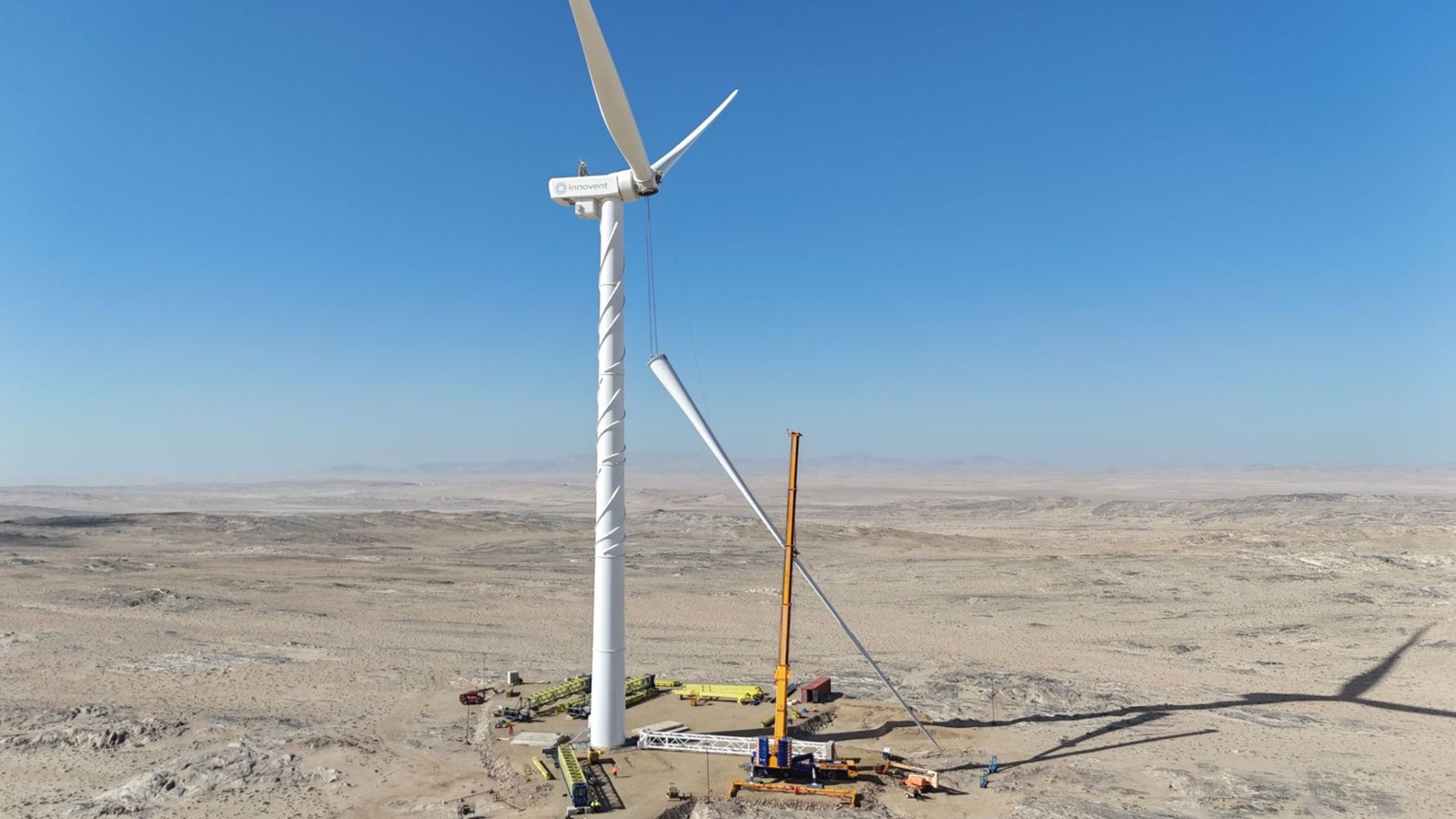
Wind farm in Namibia will have wind turbines assembled without giant cranes and is expected to avoid 200,000 tons of carbon dioxide per year when it becomes operational.

-
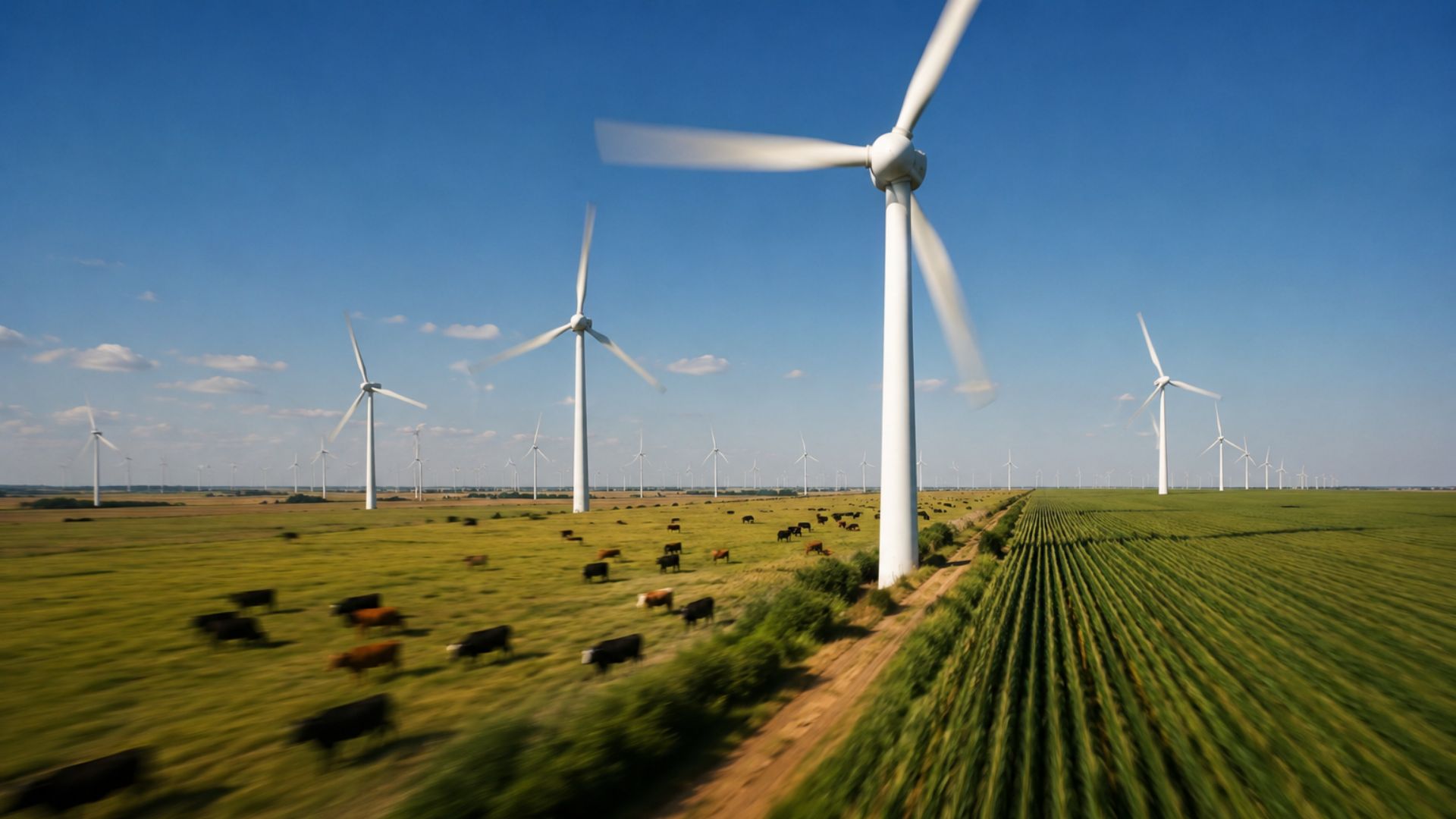
Taller than the Statue of Liberty, thousands of wind turbines are being planted in the middle of U.S. fields, creating two-story farms where corn and soybeans grow below while the wind turns into electricity above.


Although many sources still cite a capacity of “around 1 GW,” the complex is, in fact, much larger. After the completion of its last expansion phase in 2024, the total installed and operational capacity of Lagoa dos Ventos reached 1,511.55 MW. This energy is generated by a total of 372 high-tech wind turbines, supplied by companies such as GE and Nordex Acciona.
The Construction Of The Largest Wind Farm In Brazil In Phases
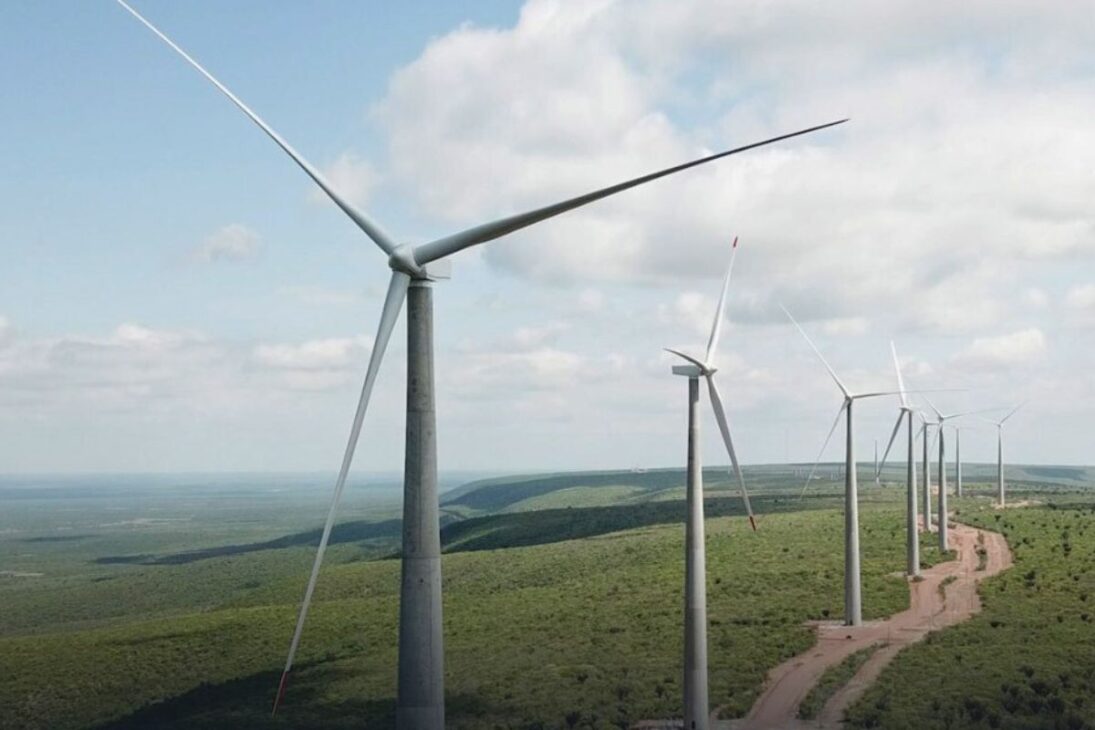
The monumental scale of Lagoa dos Ventos was achieved through a continuous and strategic expansion project, divided into three major phases:
Phases I and II: Operations began in June 2021 with the installation of 230 turbines that summed up to 716.55 MW of capacity.
First Expansion: In May 2023, the park was expanded with the commissioning of Lagoa dos Ventos III, which added another 396 MW.
Final Consolidation: The total capacity was reached in April 2024, with the inauguration of Lagoa dos Ventos V, adding another 399 MW to the complex.
Why The Northeast? The Geography That Favors Wind Energy
The location of the largest wind farm in Brazil in Piauí is no coincidence. The Northeast region of Brazil has some of the best winds in the world for wind energy generation: strong, constant, and predictable. This exceptional natural condition has made the region the major hub for wind energy in the country.
Currently, about 85% of all wind farms in Brazil are located in the Northeast. The impact has been so significant that, starting in 2020, the region, which historically imported energy from other parts of the country, became a net exporter of electricity to the National Interconnected System (SIN).
The Social And Environmental Conflicts In Piauí

Despite its vital role in generating clean energy, the project is not without controversy. Journalistic investigations and reports from local communities point to a darker side of wind expansion in the region. The most serious accusation is that of “green grabbing”, a term that describes the alleged appropriation of lands from small farmers and landholders for the installation of the parks.
Residents of the affected areas also report a decline in their quality of life, with complaints about the incessant low-frequency noise emitted by the turbines, causing stress and sleep problems. The company claims it strictly follows the law and conducts audits to ensure land regularity, but the tension between the corporate narrative and the experience of local communities represents an ongoing challenge for the renewable energy sector in Brazil.