






 Portuguese
  Spanish


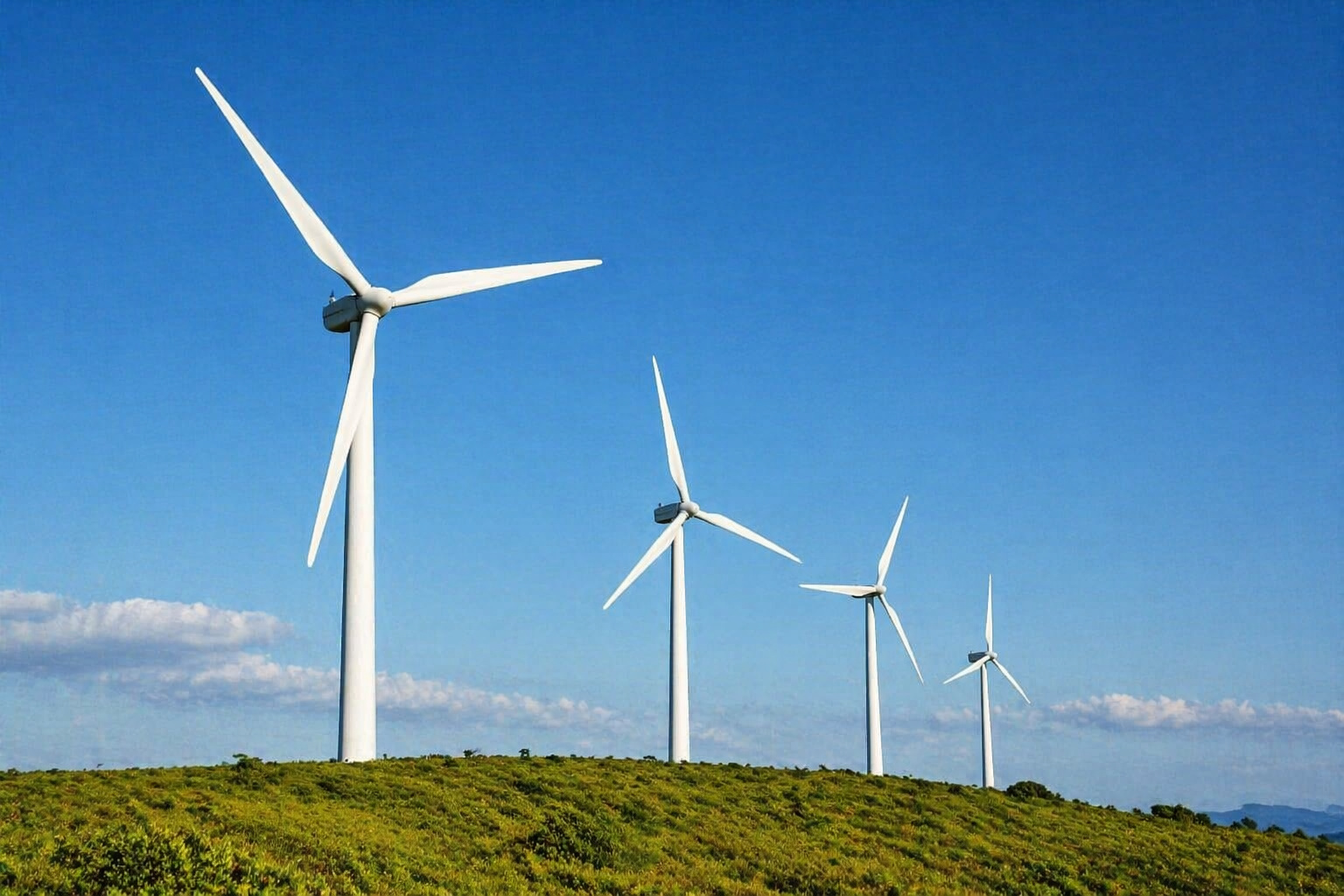

Brazil maintained its 5th position among the countries with the largest installed capacity of wind energy in the world, consolidating its role as one of the main powers in renewable energy. Currently, the country has about 36 gigawatts (GW) of installed capacity, ranking behind only China, the United States, India, and Germany.
This performance reinforces, above all, the growing relevance of wind energy in the Brazilian electric matrix and in the global energy transition scenario.
Brazilian wind capacity continues to expand
In recent years, Brazil has been consistently increasing its installed capacity of wind energy. This growth occurs mainly due to favorable natural conditions, especially in the Northeast region, where the winds are more intense and constant.
-
Brazil filled the Northeast with wind turbines but now faces the side effect of 705 giant blades reaching the end of their lifespan by 2032 just in Rio Grande do Norte, while the world projects 43 million tons of waste by 2050.

-
Brazil has filled the Northeast with wind turbines, but now it faces the side effect of 705 giant blades reaching the end of their useful life by 2032 just in Rio Grande do Norte, while the world projects 43 million tons of waste by 2050.
-
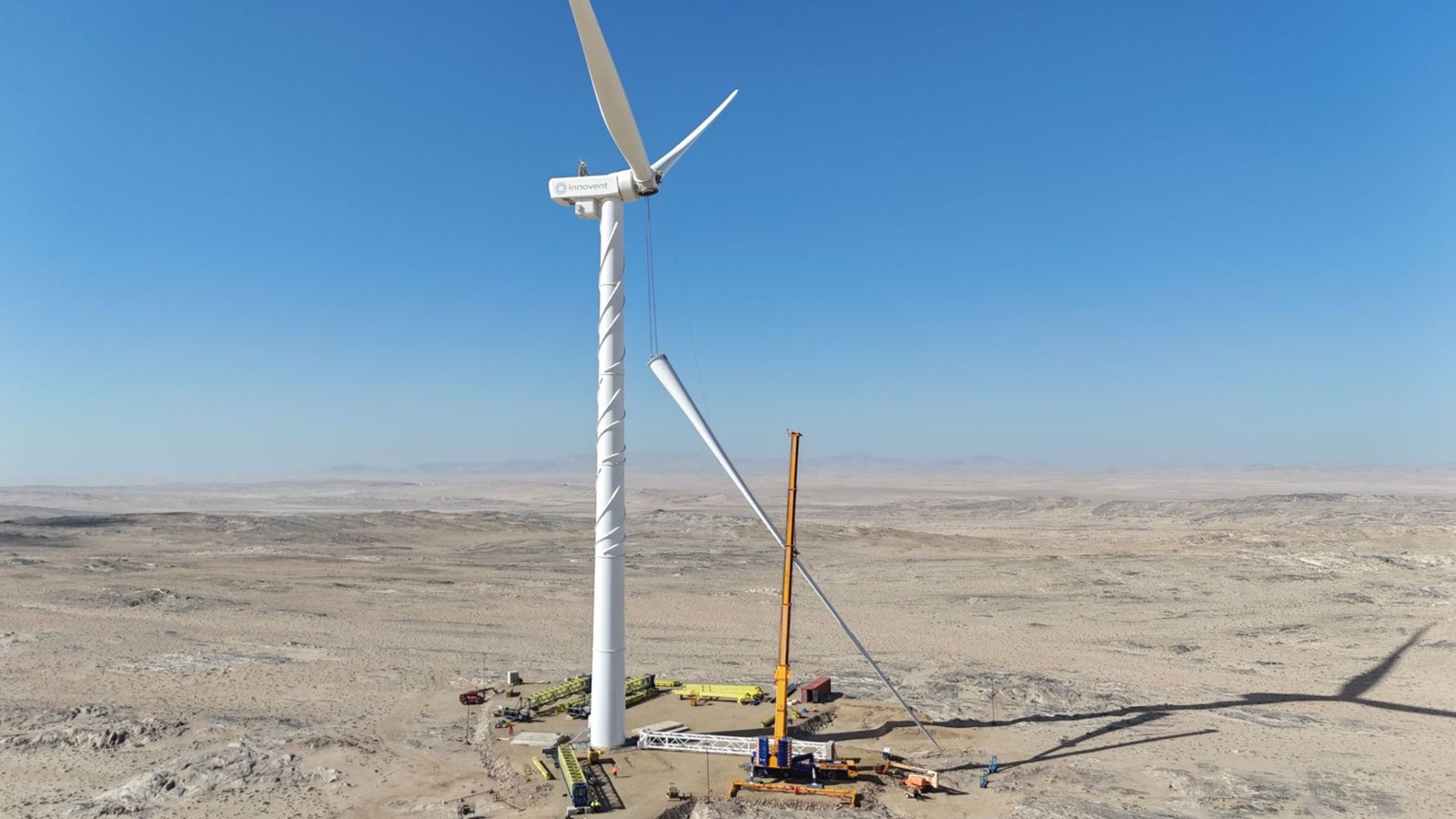
Wind farm in Namibia will have wind turbines assembled without giant cranes and is expected to avoid 200,000 tons of carbon dioxide per year when it becomes operational.

-
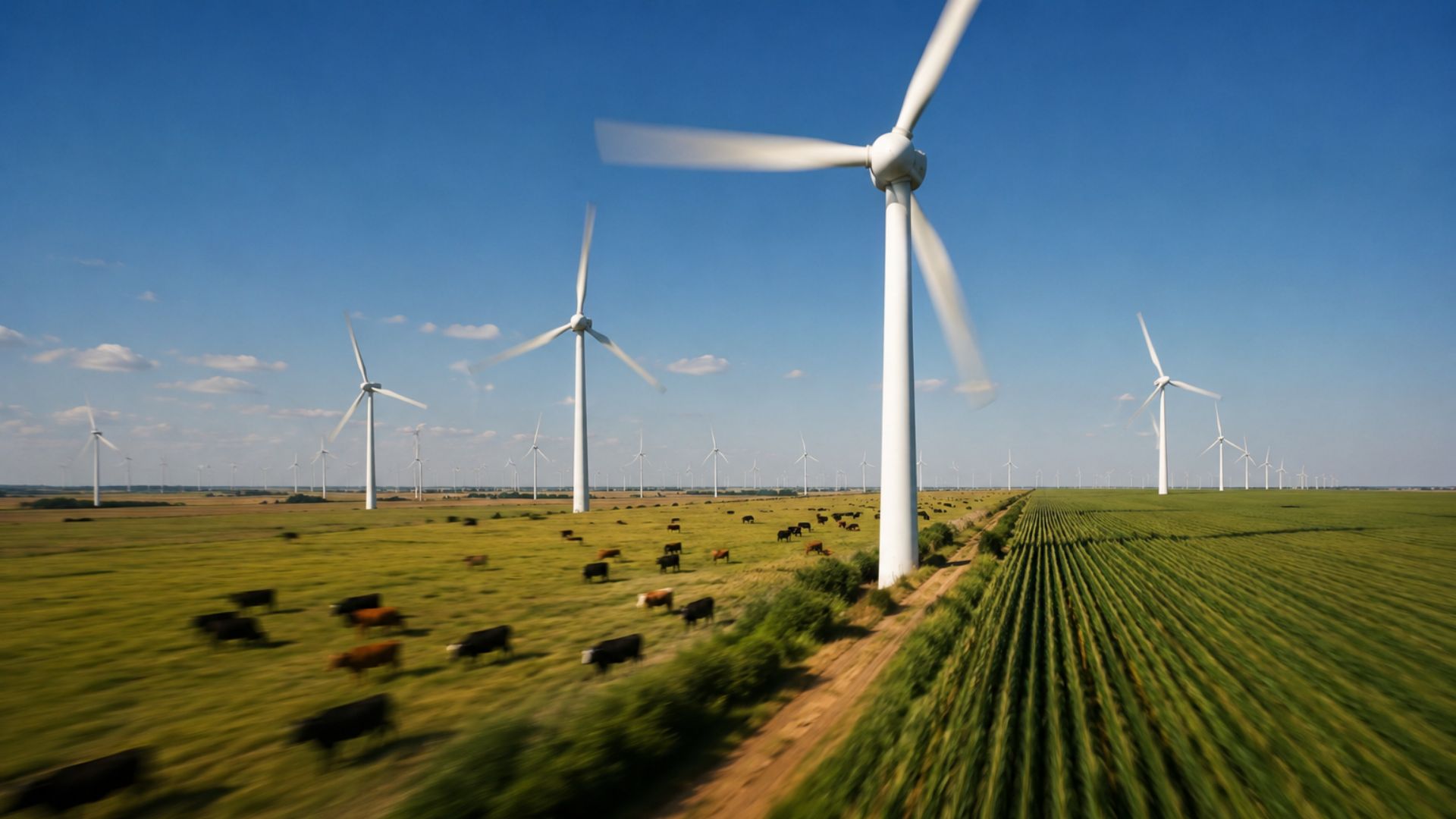
Taller than the Statue of Liberty, thousands of wind turbines are being planted in the middle of U.S. fields, creating two-story farms where corn and soybeans grow below while the wind turns into electricity above.


Furthermore, advancements in technology and the reduction of installation costs have driven new projects in the country. As a result, wind energy already represents a significant share of the national electric matrix, contributing to the diversification of sources and reducing dependence on hydropower plants.

Brazil consolidates itself among global leaders
Even in the face of strong international competition, Brazil maintains its position among the five largest wind energy markets in the world.
The global ranking is led by:
- China
- United States
- India
- Germany
- Brazil
This positioning highlights not only the country’s natural potential but also its ability to attract investments and develop large-scale projects.
At the same time, maintaining this position indicates a certain stability in growth, even though other countries continue to rapidly expand their capacities.
Wind energy gains prominence in the energy matrix
Wind energy has become increasingly strategic for Brazil. This is because it complements other renewable sources, such as hydropower, especially during dry periods.
In this sense, the wind regime in the Northeast tends to be more intense precisely when the reservoirs are lower, which contributes to the security of the electrical system.
Moreover, the expansion of this source helps reduce carbon emissions and attracts investments aimed at sustainability and the so-called green hydrogen.
Challenges Still Limit Faster Growth
Despite the advancements, the sector still faces significant challenges. Among them, the following stand out:
- bottlenecks in transmission infrastructure
- need for investments in energy storage
- regulatory and environmental issues
- geographical concentration of projects
These factors, in turn, may limit the speed of wind energy expansion in the country, especially compared to markets that advance with more aggressive incentive policies.
Outlook for the Coming Years
The trend, however, is for continued growth in installed capacity. Projections indicate that Brazil should continue to expand its global participation, driven by:
- new energy auctions
- international investments
- advancement of the energy transition
- demand for clean sources
Additionally, the development of offshore wind energy emerges as a new frontier, with significant potential still underexplored in the country.
What is at Stake for Brazil
Maintaining the 5th global position shows that Brazil is already a key player in the sector, but it also highlights that there is room for further advancement.
On one hand, the country has privileged natural conditions and a predominantly renewable energy matrix. On the other hand, it faces structural challenges that need to be overcome to accelerate growth.
Thus, the next step will depend on the ability to transform this potential into effective expansion, consolidating Brazil not only as a major producer but as a leader in the global energy transition.








