






 Portuguese
  Spanish



Unprecedented offshore wind energy project in Rio Grande do Sul attracts Japanese company, foresees up to 10,000 jobs and boosts floating wind farm in RS
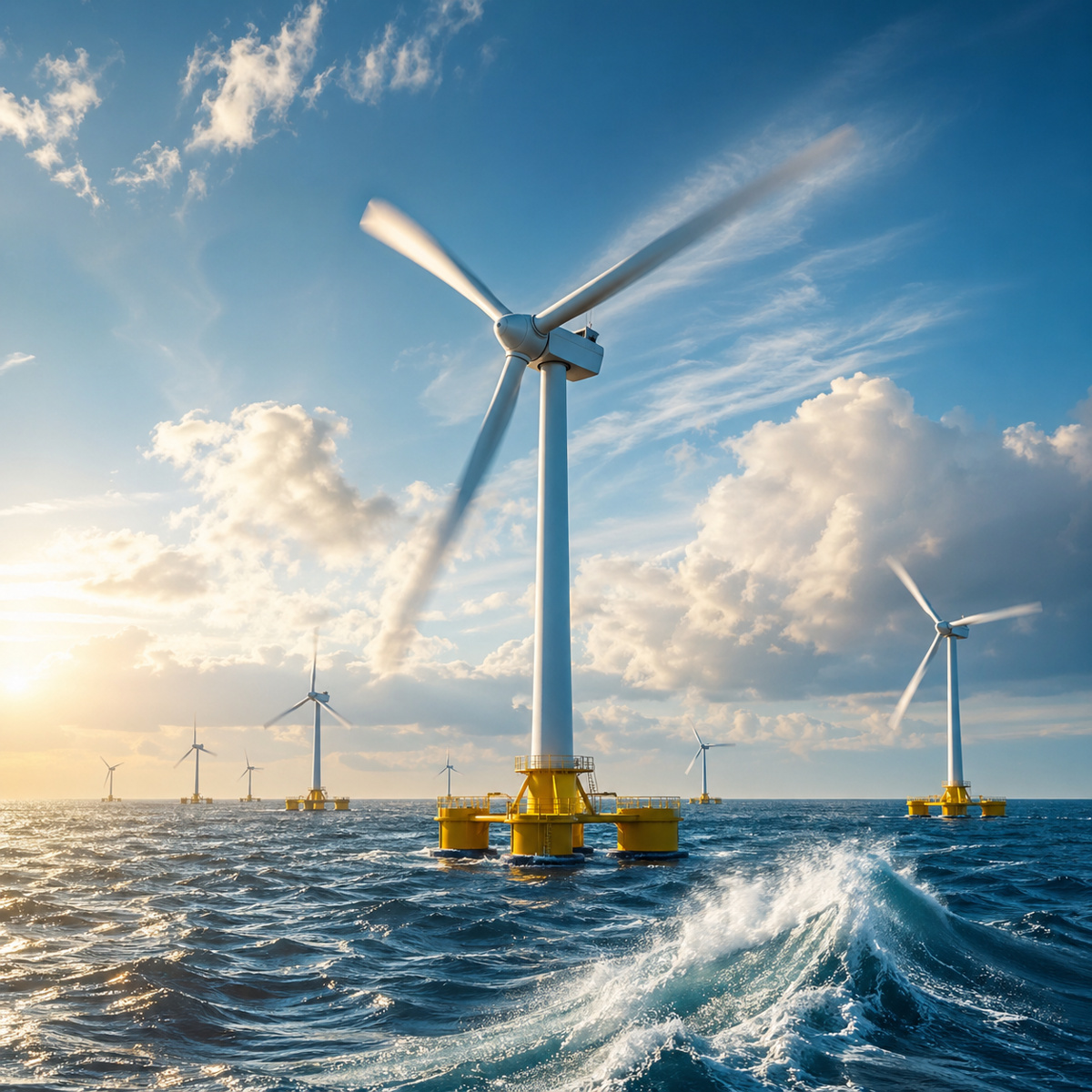
Rio Grande do Sul has definitively entered the global energy transition radar after receiving interest from the Japanese company JB Energy, specialized in offshore wind energy. According to the state government on April 29, the initial investment of US$100 million foresees the implementation of Brazil’s first floating wind farm, with installation planned in deep waters near the Port of Rio Grande, in RS.
The project, named Aura Sul Wind, is still in its initial phase, but it is already attracting attention due to its economic and technological potential. The expectation is that the initiative will generate between 5,000 and 10,000 direct and indirect jobs by 2029, in addition to boosting strategic production chains in Rio Grande do Sul.
Rio Grande do Sul positions itself as a strategic hub with support from a Japanese company
The choice of Rio Grande do Sul was not random. The state gathers natural and industrial conditions that favor the installation of offshore wind energy projects, especially those based on floating wind farms.
-
Brazil filled the Northeast with wind turbines but now faces the side effect of 705 giant blades reaching the end of their lifespan by 2032 just in Rio Grande do Norte, while the world projects 43 million tons of waste by 2050.

-
Brazil has filled the Northeast with wind turbines, but now it faces the side effect of 705 giant blades reaching the end of their useful life by 2032 just in Rio Grande do Norte, while the world projects 43 million tons of waste by 2050.
-
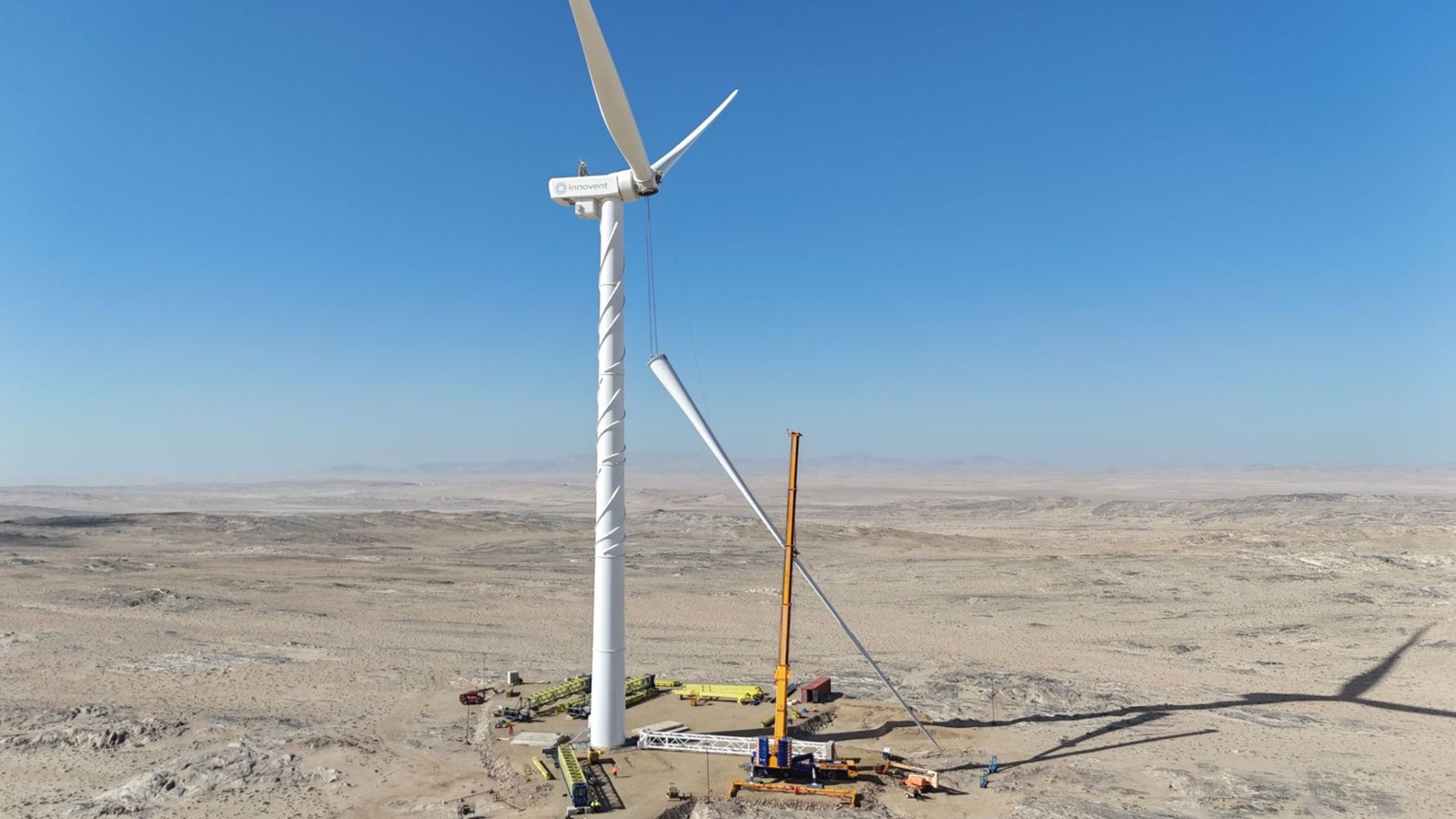
Wind farm in Namibia will have wind turbines assembled without giant cranes and is expected to avoid 200,000 tons of carbon dioxide per year when it becomes operational.

-
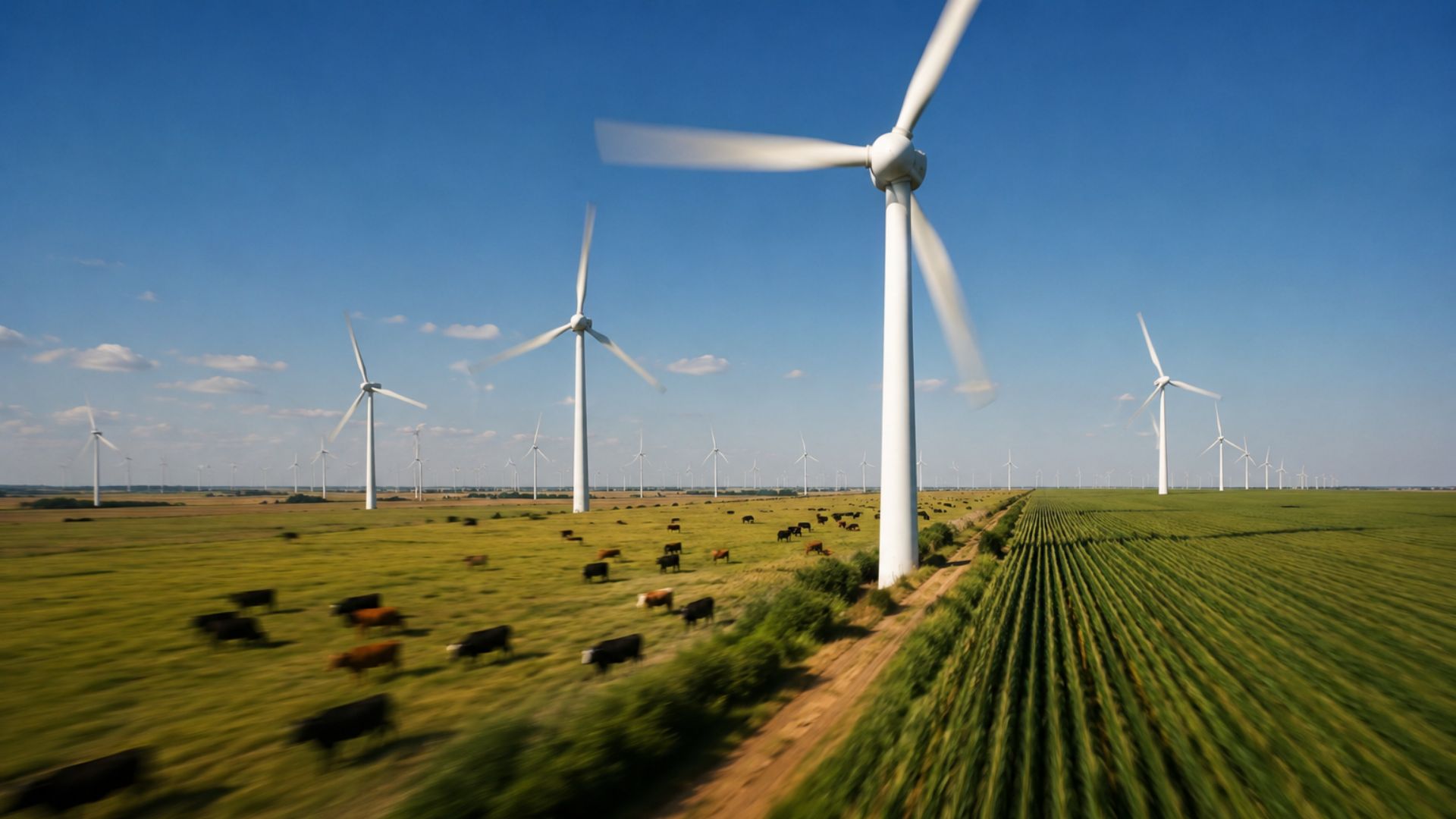
Taller than the Statue of Liberty, thousands of wind turbines are being planted in the middle of U.S. fields, creating two-story farms where corn and soybeans grow below while the wind turns into electricity above.


The Japanese company responsible for the proposal highlighted factors such as wind quality, port infrastructure, and the presence of a consolidated naval industry in RS. The municipality of Rio Grande, for example, already has experience with offshore structures used in Petrobras projects.
Furthermore, the institutional environment also weighed in on the decision. Representatives from state secretariats, such as Sedec and Sema, participated in the discussions, reinforcing the project’s alignment with public policies focused on sustainability and innovation.
How the floating wind farm works and why it changes the game
The Japanese company‘s proposal relies on a technology considered innovative in Brazil: the floating wind farm. Unlike traditional models fixed to the seabed, this solution allows installation in depths greater than 50 meters.
In practice, this significantly expands the potential for offshore wind energy generation, as deeper areas tend to have stronger and more constant winds.
Another important differential is the construction model. The platforms are made with a modular reinforced concrete structure, which allows for assembly on land, in Rio Grande do Sul itself, and subsequent transport to the installation site.
Among the main benefits of this technology are:
- Up to 50% reduction in construction cost and time
- Lower visual and environmental impact due to being further from the coast
- Estimated lifespan of about 25 years
- Low maintenance requirement in a marine environment
These characteristics make the floating wind farm an increasingly viable alternative within the global offshore wind energy market.
Million-dollar investment in offshore wind energy and direct impact on RS economy
The US$100 million investment announced by the Japanese company is expected to generate significant effects in RS. The projected creation of 5,000 to 10,000 jobs involves different sectors, from civil construction to specialized services.
According to Rodolfo Gonçalves, CEO of the company, the project is still in its initial phase, but it is already seeking to integrate local companies into the production chain. The partnership with Sinduscon-RS is one of the ways to involve the civil construction sector in the development of the floating wind farm.
Furthermore, the economic impact tends to spread across different areas:
- Naval and metallurgical industry
- Port logistics
- Technical services and engineering
- Training of specialized workforce
Leandro Evaldt, head of the Secretariat of Economic Development, has highlighted that initiatives like this strengthen Rio Grande do Sul‘s position as a reference in innovation and sustainable development.
Integration with universities and technological advancement in Rio Grande do Sul
Another relevant point of the project is its connection with the academic environment. The Japanese company has already presented Aura Sul Wind to the Federal University of Rio Grande do Sul (UFRGS), seeking to integrate researchers into the technology’s development.
The participation of educational institutions can accelerate advancements in the area of offshore wind energy, in addition to contributing to the training of qualified professionals in RS.
This rapprochement between industry and academia is seen as essential to ensure the evolution of the floating wind power plant in Brazil. It also opens space for local innovation, adapting Japanese technologies to the Brazilian reality.
The project also involves articulation with Ibama, which has already provided the terms of reference for environmental licensing, indicating that the procedures have been conducted from the outset.
Offshore wind energy gains strength and puts RS on the global map
Offshore wind energy has been gaining ground worldwide as a clean and efficient alternative. Countries like Japan, the United Kingdom, and Norway are already heavily investing in this model, especially in floating solutions.
With the arrival of the Japanese company, Rio Grande do Sul becomes part of this global scenario. The floating wind power plant project can place RS in a prominent position both in Brazil and abroad.
In addition to environmental benefits, the initiative contributes to:
- Reduction of greenhouse gas emissions
- Diversification of the Brazilian energy matrix
- Strengthening energy security
- Inclusion of Brazil in international innovation networks
The project is also aligned with the Economic, Inclusive, and Sustainable Development Plan of Rio Grande do Sul, which encourages the use of renewable energies.
RS expands its prominence with a binational clean energy project
One of the most interesting aspects of the initiative is its binational character. The technology used in the floating wind power plant will be based on Japanese solutions, but adapted to the Brazilian production chain.
This means that RS will not only be a recipient of technology but also an active participant in the project’s development. The construction of the structures, for example, can be carried out in Gaúcho territory.
Cristian Vieira Duarte, linked to the state infrastructure area, and Rodrigo Huguenin, from Sema, also participated in the discussions, reinforcing the government’s involvement in making the proposal viable.
This model of international cooperation tends to accelerate the advancement of offshore wind energy in Brazil, creating opportunities for new projects.
What still needs to advance to consolidate the floating wind power plant in Brazil
Despite the progress, the offshore wind energy sector still faces challenges in the country. Specific regulation, for example, is still under development.
Other points that require attention include:
- Definition of clear rules for maritime exploration
- Expansion of port infrastructure
- Integration into the national electricity system
- Reduction of operational costs
Even so, the Japanese company‘s project in Rio Grande do Sul demonstrates that the path is already being forged. The company’s international experience can help overcome these obstacles.
A decisive step to transform the energy future of Rio Grande do Sul
The investment by the Japanese company in Rio Grande do Sul represents more than an isolated project. It is a strategic move that can redefine the role of RS in the national energy landscape.
The implementation of Brazil’s first floating wind farm, based on offshore wind energy, opens new possibilities for the state’s economic, technological, and environmental development.
With an estimated up to 10,000 jobs, integration with universities, participation of local industry, and institutional support, the project brings together elements that indicate a lasting impact.
If successful, the initiative could serve as a model for other regions of the country, consolidating Brazil as a new protagonist in the global renewable energy market.


