






 Portuguese
  Spanish
  4 min of reading
  16 comments


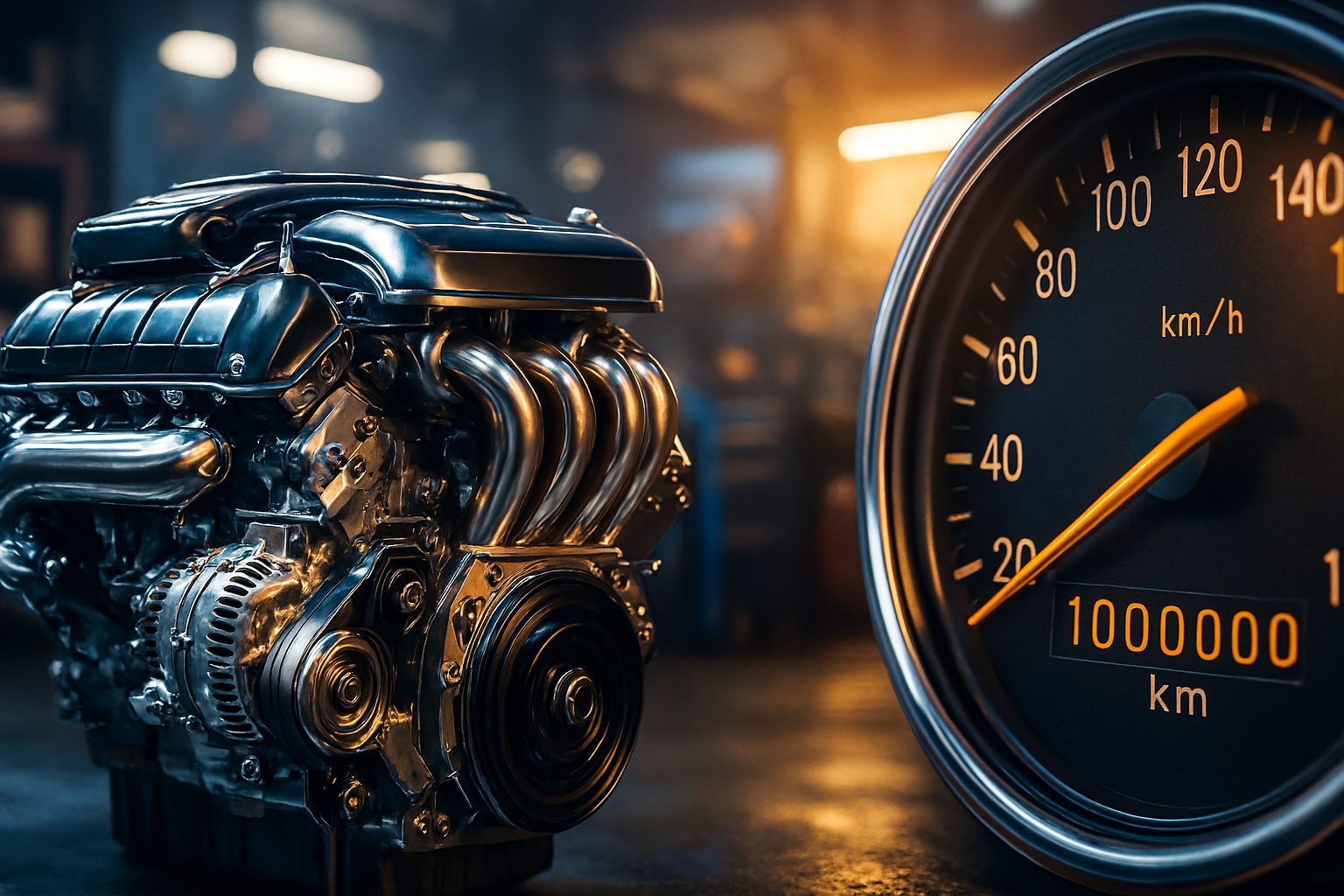


Legendary Engines of Mercedes-Benz and Toyota Traveled Over 1 Million Km Without Repair and Became Symbols of Automotive Durability.
In a world where most cars need major repairs before reaching 300,000 km, some engines have become legends for defying logic. Real cases, documented in different countries, showcase units that surpassed 1 million km driven without ever needing a rebuild. Among them are the robust diesel engines from Mercedes-Benz and the indestructible motors from Toyota, symbols of reliability and above-average engineering.
These stories are impressive because they reveal that with proper maintenance and solid design, it’s possible to reach milestones that seem unattainable for most modern vehicles.
The Mercedes-Benz OM617: The Engine That Became a Legend
One of the most famous examples is the OM617, a five-cylinder diesel engine launched by Mercedes-Benz in the 1970s. It powered models like the 300D and became known for its durability in extreme conditions.
-
Uber Faces Shareholder Scrutiny as Board Accused of Ignoring Safety, Compliance, and Harassment Warnings Amid Over 3,500 U.S. Lawsuits

-
Ferrari’s First Electric Car Divides Fans, Priced at $630,000, Amid Concerns Over Limited Editions; Brand Clarifies It’s Not Just for Future Perks
-
BYD Dolphin Mini: The Electric Car That Defies Depreciation, Losing Only 3.58% in a Year and Becoming the Best-Selling Retail Model Under $22,000

-
Electric Car JAC E-JS4 Loses $19,000 in Value in One Year, Leading Record Depreciation of Used Cars in Brazil Due to Expensive Battery and New Models


With simple maintenance—oil changes, filters, and regular adjustments—many units surpassed 1 million km driven without needing major repairs.
There are official records of taxis in Europe and the Middle East that reached 1.5 million km with OM617 engines still in their original operating condition. The project’s robustness, combined with the use of reinforced parts and engineering aimed at longevity, made this engine a landmark in the industry.
The Impressive Case of the Mercedes Taxi with 4.6 Million Km
The most famous example of all is in the Mercedes-Benz Museum in Stuttgart, Germany. There is preserved a 240D used as a taxi in Greece, which drove 4.6 million km over decades of use.
The engine was not rebuilt; it only received basic maintenance and peripheral replacements. The car was donated to the manufacturer after becoming a global symbol of reliability.
This case not only reinforces the fame of Mercedes engines but also became a marketing piece for the brand, showing the world that durability can be one of the greatest attributes of a car.
Toyota 1HZ and 2JZ: Icons of Japanese Durability
If Germany delivered legendary diesel engines, Japan did not fall behind. Toyota also boasts emblematic cases:
- 1HZ (4.2 Diesel, used in the Land Cruiser): designed to endure in inhospitable regions, this engine easily surpassed 1 million km in units used in Australia and Africa, where vehicles are exposed to high temperatures and rough terrain.
- 2JZ (3.0 Gasoline, used in the Supra and Lexus): famous in the performance world, this engine also gained recognition for its durability. There are reports of vehicles with 800,000 to 1 million km driven on original engines, without needing to open the block.
These engines helped solidify Toyota’s reputation as a global benchmark in reliability, particularly in commercial fleets, expeditions, and taxis, where durability is essential.
Why Did These Engines Last So Long?
The impressive longevity of these engines was not coincidental. Several factors explain their above-average durability:
- Conservative Design: low specific power and focus on durability, not extreme performance.
- Reinforced Parts: thick cast iron blocks, sturdy crankshafts, and components designed to withstand decades of use.
- Regular Maintenance: oil changes, filters, and basic care were sufficient to preserve mechanical health.
- Use in Constant Regimes: taxis and fleets drove long distances at stable speeds, which reduces wear compared to severe urban usage.
This combination made the engines nearly indestructible, accumulating mileages that seem impossible today.
Comparison With Modern Cars
Many drivers wonder: why do current cars rarely reach 1 million km without a rebuild? The answer lies in the very evolution of the industry.
Today, engines are designed to deliver more power, lower consumption, and less emissions, but this quest for efficiency requires lighter components and tighter tolerances.
This, in turn, naturally reduces longevity compared to the oversized engines of the past.
Additionally, the more frequent turnover of vehicles and technological advancements mean that few people keep a car long enough to reach million-kilometer milestones.
The Legacy of Engines With 1 Million Km
Engines that surpassed the 1 million km barrier without a rebuild have become legends and continue to be remembered as examples of engineering that prioritized robustness above all.
The OM617 from Mercedes-Benz and the 1HZ from Toyota are icons of this era, inspiring respect even today among collectors and enthusiasts.
These stories serve as a reminder that extreme durability was once the absolute priority in some automakers. And for those who value cars that never let the driver down, these engines will always be symbols of trust and resilience.





Carro q dura é aquele q bem cuidado, óleo recomendado no manual se não tiver mais o óleo coloque o de última geração, troca de filtro e óleo do motor e combustível nas km recomendados pelo fabricante o resto é passível de reposição.
Boa noite eu tenho um gol 95 1.0 cht e o velocímetro dele já está pela segunda vez chegando a casa dos 999999 km e nunca foi retificado o motor , pois não dão só esses carros mais sofisticado que alcançam essa quilometragem
Tive um Corsa 1.8 VHC(2005) que vendi com 560.000 km e um Corolla (2018) que vendi com 814.000km, os dois numca tiveram que abrir motor e só faziam manutenção programada.😬👍🏽