Portuguese
  Spanish


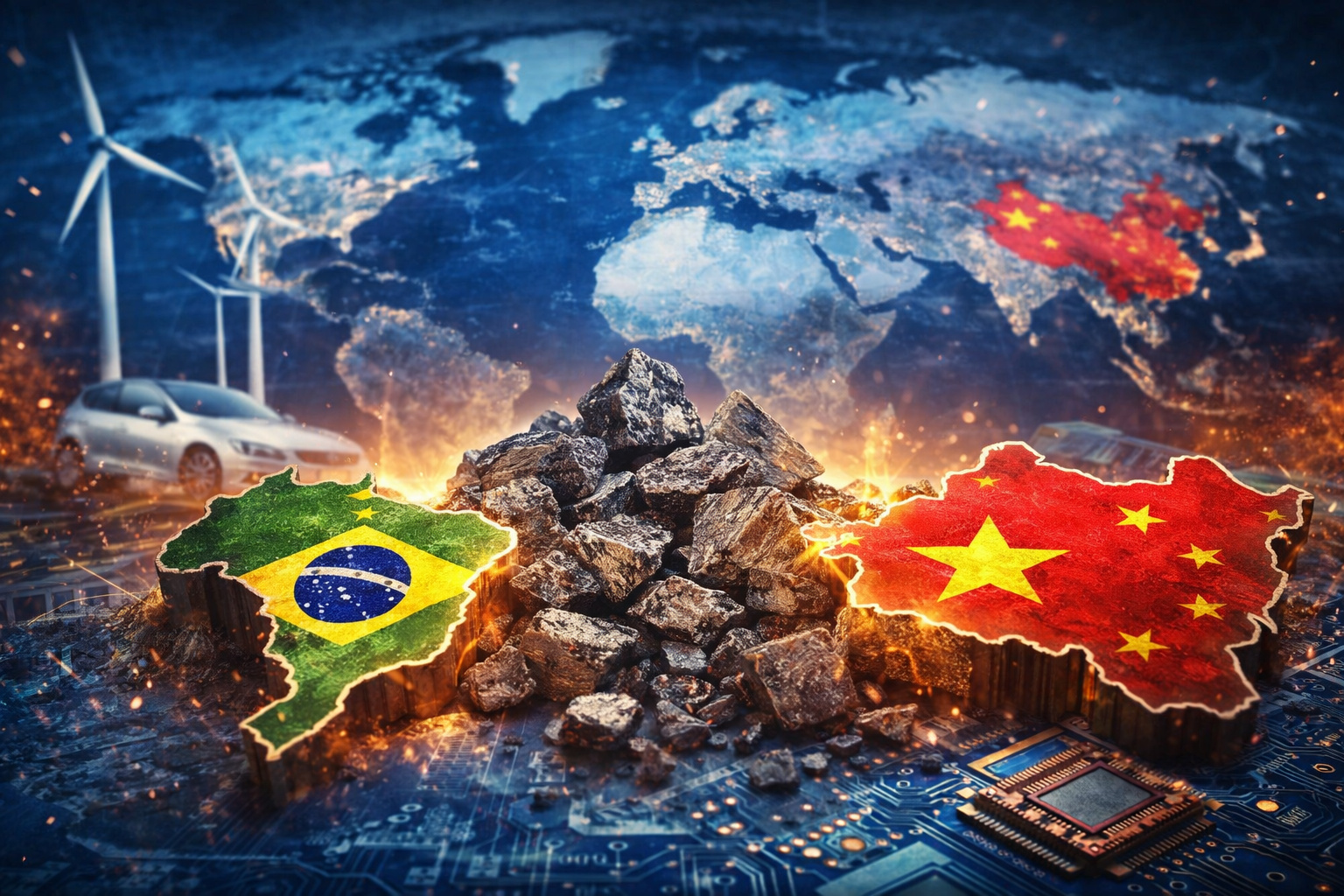

The Dispute Is Not Noisy, Nor Does It Involve Tanks in the Streets. It Is a Silent War Fought Through Strategic Agreements, Billion-Dollar Investments, and Political Repositioning.
Little known outside technical circles, the so-called rare earths have taken on a central role in the global economy and geopolitics. These minerals are behind technologies that drive the modern world — from cell phones and electric cars to turbines and military equipment — and for this reason, they have been treated as the “gold of the century” by governments and major powers.
The dispute is not noisy, nor does it involve tanks in the streets. It is a silent war, fought through strategic agreements, billion-dollar investments, and political repositioning.
What Are Rare Earths
Rare earths form a group of 17 chemical elements primarily used to produce superpowerful magnets, batteries, screens, chips, and high-tech components.
Despite the name, they are not exactly rare in nature. The problem is that:
-
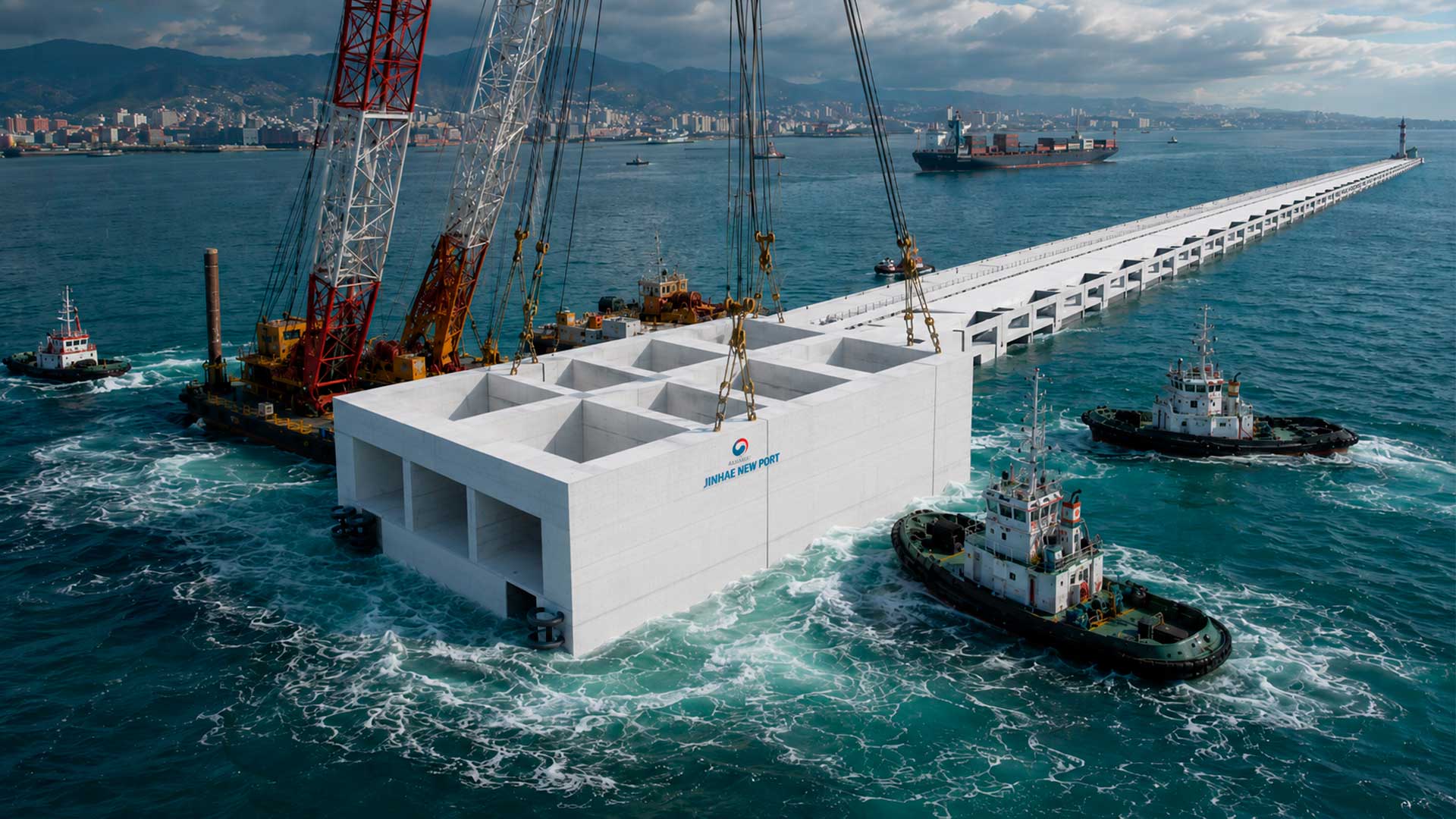
South Korea to Sink 20 Massive Concrete Coffers Off Busan Coast to Build 1.4 km Breakwater at Jinhae New Port, Part of $9.4 Billion Expansion to Rank Among World’s Top 3 Ports

-
Venice Deploys 78 Massive Steel Gates to Shield City from Extreme Adriatic Tides

-
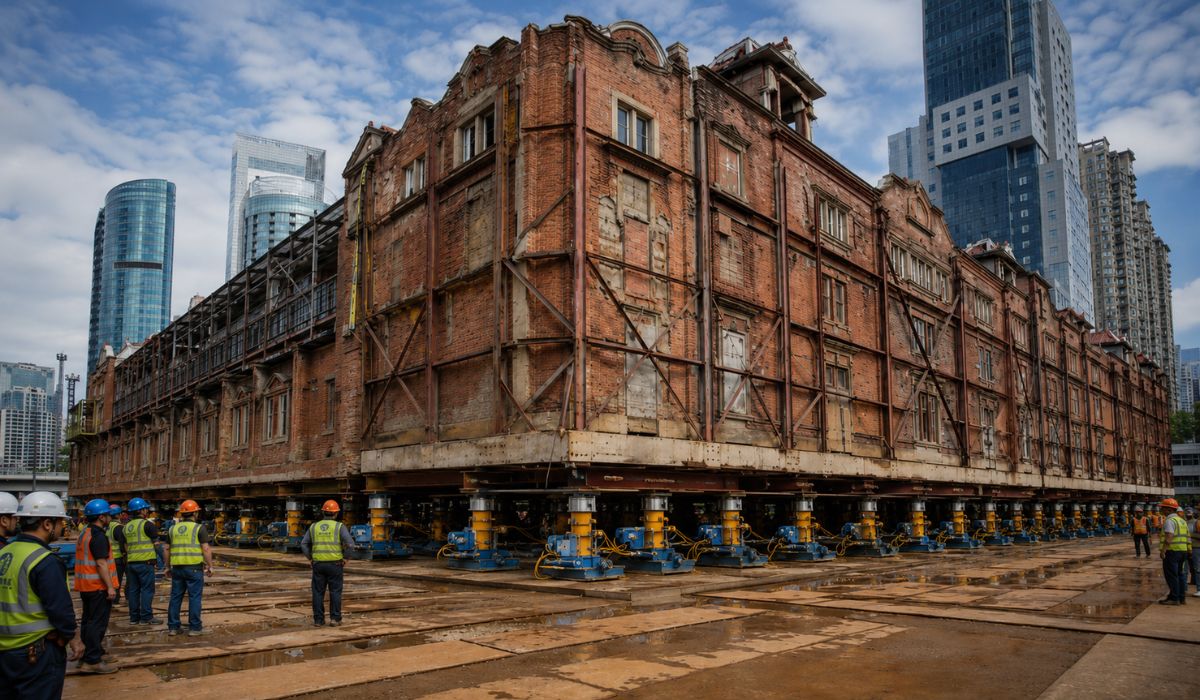
China Uses 432 Robots to Move a 7,500-Ton Historic Building in Shanghai, Preserving Architecture While Creating Space for Underground Center
-
World Cup Ball Chip Uses Technology to Detect Invisible Touches, Confirms Offside, Secures Portugal’s Victory Over Croatia



- they tend to be mixed with other minerals
- they are difficult and expensive to separate
- they require strict technology and environmental control
This is what makes them strategic — and valuable.

Why Has the World Started Disputing These Minerals
The demand for rare earths has exploded with:
- the transition to clean energy
- the advancement of electric cars
- accelerated digitalization
- the strengthening of the military and aerospace industry
Without these minerals, there are no:
- efficient electric motors
- modern batteries
- wind turbines
- radars, satellites, and defense systems
Whoever controls rare earths controls key parts of future technology.
Is There a “War” for Rare Earths?
Experts often define the current scenario as a global strategic dispute. Today, China dominates much of the extraction, refining, and global supply of rare earths, raising concerns among other powers.
Countries like the United States and members of the European Union have begun seeking alternatives to reduce Chinese dependency, investing in:
- new deposits
- international partnerships
- own production chains
It is not about an armed war, but about economic and technological security.
Where Do Brazil, Trump, and the Change in International Strategy Come In
In recent years, analysts have begun to observe a shift in the discourse and international strategy involving Brazil. Part of this analysis points out that global interest in the country goes beyond politics and involves strategic resources, including rare earths.
Brazil has one of the largest known reserves in the world, still little explored. In a scenario of global competition for critical minerals, this places the country in a strategic position.
It is important to emphasize: there is no official confirmation that specific political decisions were motivated solely by this factor. What exists is a geopolitical reading that strategic minerals influence international relations, especially in an increasingly technology-dependent world.
Which Countries Concentrate the Largest Reserves of Rare Earths
Today, the most relevant countries in this market are:
- China – Absolute leader in production and refining
- Vietnam – Large reserves still expanding
- Brazil – Huge underexplored potential
- Russia
- India
- Australia
The difference lies less in the gross amount and more in the refining and industrialization capacity, in which few countries truly dominate.
How Much Are Rare Earths Worth?
The global rare earth market moves billion dollars a year and is expected to grow with:
- electrification of the global fleet
- expansion of renewable energies
- technological race among powers
More than the price per ton, the value lies in controlling the production chain. Those who dominate refining and technology add much more wealth than those who only extract.
Why This Matters for the Future
Rare earths have ceased to be a technical topic and have become part of the global geopolitical chessboard. They influence:
- national sovereignty
- economic security
- energy transition
- technological power
In an increasingly innovation-dependent world, these minerals have become the new center of dispute between countries — silent, strategic, and decisive.