






 Portuguese
  Spanish


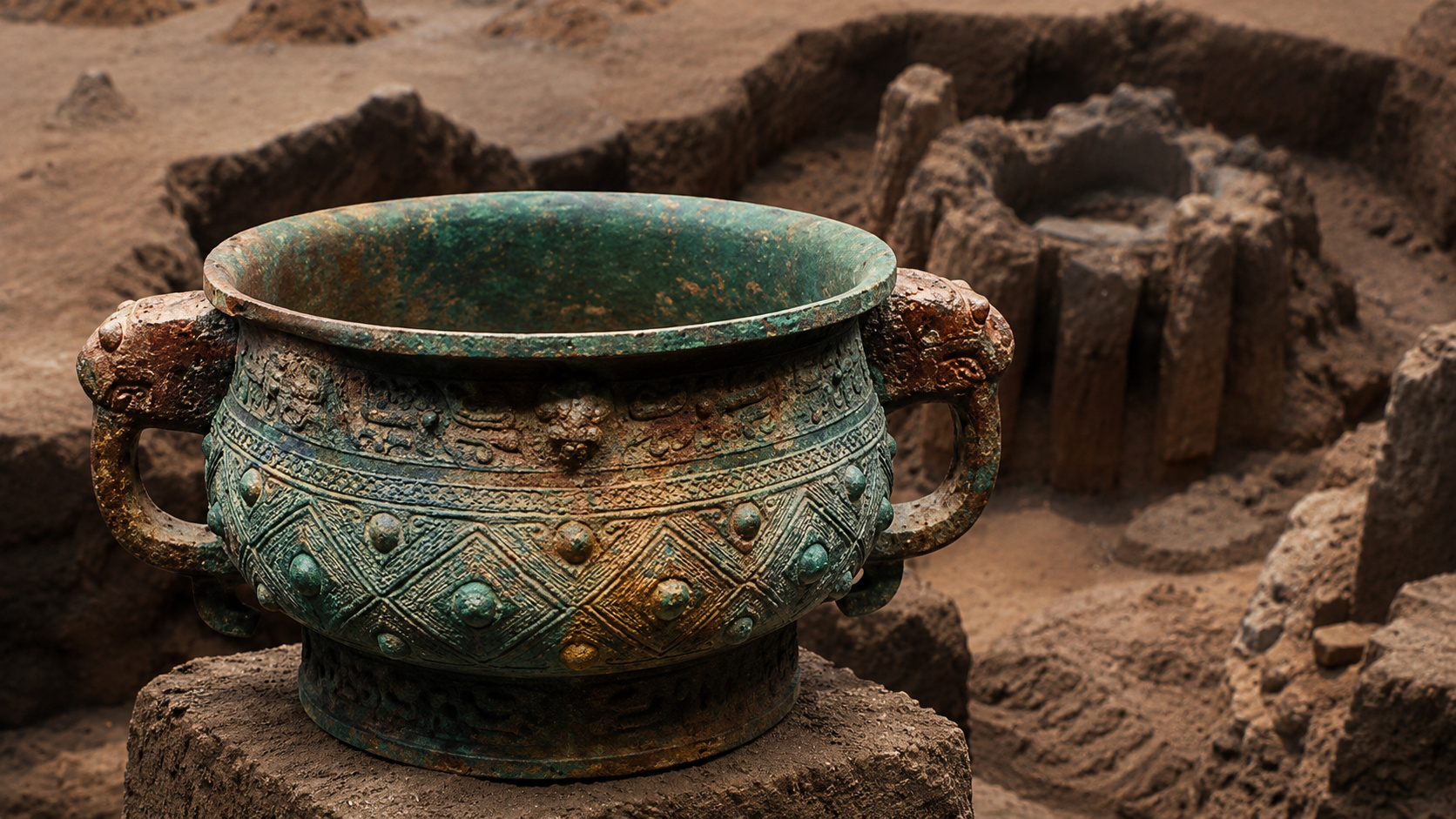


Bronze bottle found in tomb M39, near the Great Wall of Qin, contained residues of ancient alcoholic beverage and revealed traces of malted grains, yeasts, and funerary fermentation techniques
A 2,300-year-old beer was identified inside a bronze bottle found in tomb M39, at the Shanjiabo cemetery, about 1.5 kilometers from the Great Wall of Qin. The find, studied in the Journal of Archaeological Science: Reports, shows how alcoholic beverages were part of funerary rituals and the fermentation technology of the ancient Qin state.


Preserved bottle held 15 cups of 2,300-year-old beer
The container found in tomb M39 caught researchers’ attention for being well-sealed and preserved. The bronze bottle contained the equivalent of 15 cups of alcoholic beverage, kept within an ancient funerary context.
The discovery was associated with the Qin state period, between 547 and 221 BC. For researchers, the material offers a rare opportunity to observe beer-making practices directly linked to the customs of that people.
-
Pennsylvania Mine Creates Ice in Summer Heat and Melts in Winter, Turning a Mountain Crevice into a Reverse Natural Refrigerator

-
China Accelerates Global Expansion of Robotics: From Smart Vacuums to Industrial and Humanoid Machines, Millions Exported to Over 150 Markets
-
Polar Air Mass to Hit Brazil: Temperatures to Plummet in Nine States, Near Freezing in the South with Frost Risk Until Monday
-
Chinese “dark factories” produce electric cars 24/7 with minimal human intervention, as Zeekr assembles 800 units daily, raising concerns in Brazil.





The presence of the beverage inside the tomb also reinforces the importance of funerary offerings in ancient cultures. Tombs of elite individuals or warriors often received objects considered useful for the next life, such as weapons, jewelry, clothing, food, and drink.

Molecular analysis confirmed traces of fermentation
The identification of the 2,300-year-old beer was made possible through modern molecular archaeology techniques. Experts analyzed microscopic sediments embedded in the clay’s pores and found signs of malted grains and yeasts.
These elements confirmed that the container held an ancient fermented beverage. According to the study’s authors, the research provides archaeological evidence of the Qin people’s beer-making practices.
The researchers also highlighted that the find reflects the fermentation technology, the diverse use of cereals, and the good sealing method employed during the period. The preservation of the content was essential for the residues to be studied.
Liquid had more than 2,400 chemical compounds
The analysis of the liquid, described as odorless and pale blue-green in color, revealed more than 2,400 unique chemical compounds. The quantity drew attention for being much higher than that observed in the soil sample used as a control.
This result helped researchers dismiss the hypothesis that the material was merely groundwater infiltrated into the container. For the authors, the liquid preserved in the M39:5 vessel was an ancient organic residue and likely an alcoholic beverage.
The technical sheet of the discovery gathers the main elements of the study: the artifact is approximately 2,300 years old, was found in a funerary context, and underwent organic residue analysis, identifying fermented cereals and phytolithic compounds.
Ancient beverage was different from current beer
The ancient beer did not resemble the cold, clear, and foamy drink consumed today. The material indicates a thicker, cloudy, and nutritious beverage, akin to a fermented porridge.
Fermentation could occur spontaneously, and the flavor depended on local ingredients used to preserve the drink or reduce acidity. Therefore, the find helps to understand not only the diet but also the technology and spiritual rituals of ancient societies.
This article was prepared based on information from the Journal of Archaeological Science: Reports and the base material provided, with data, numbers, and statements preserved as per the consulted material.







This could be a very old potty….are you very sure that it’s beer inside ? 😉