






 Portuguese
  Spanish
  4 min of reading
  0 comments


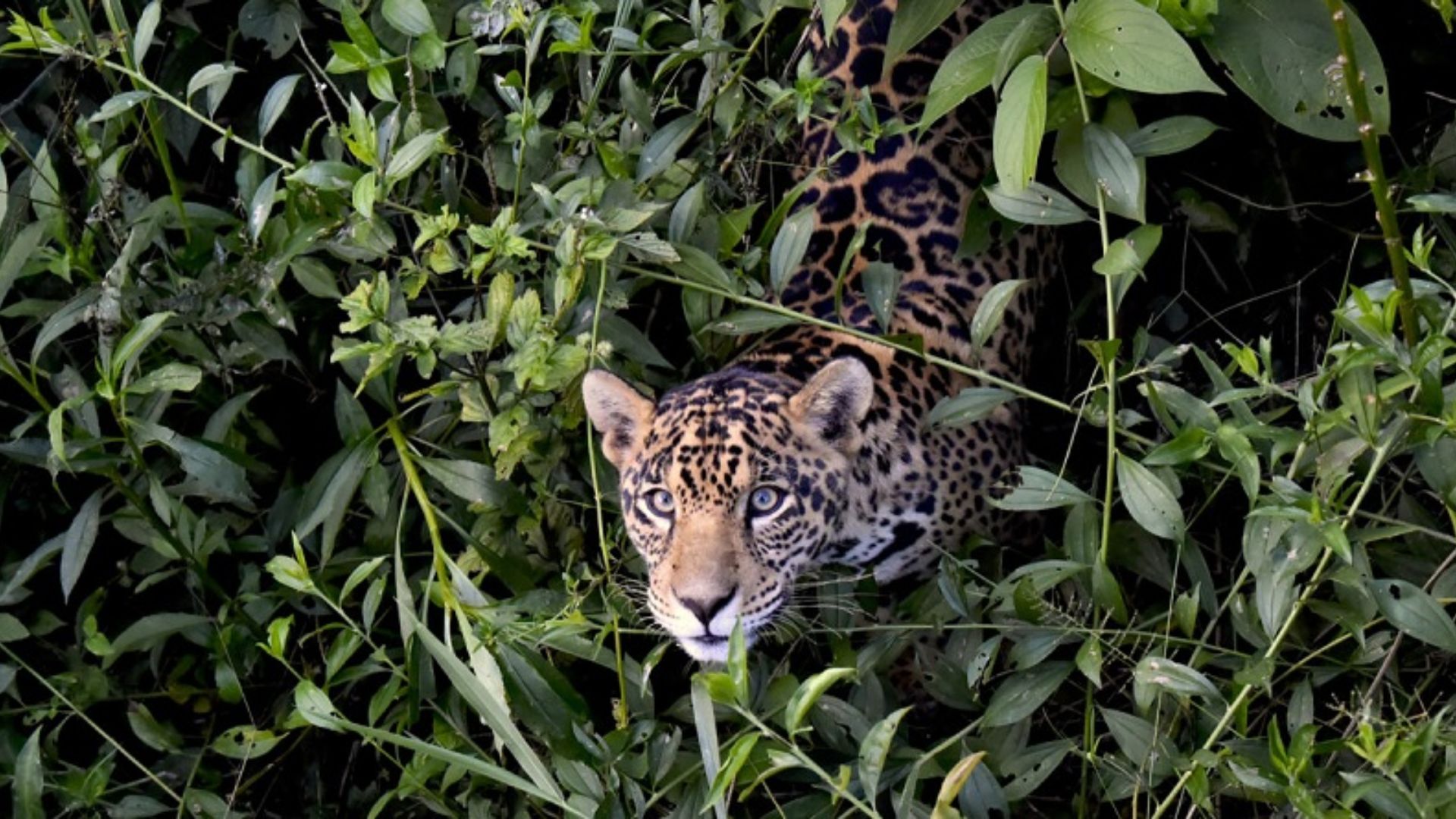
In The Heart Of The Pantanal, A Jaguar Reintroduction Project Has Become A Milestone In Brazilian Conservation, Gathering Science, Management, And Sustainable Tourism Around The Largest Feline In The Americas.
In The Pantanal, Researchers And Environmental Agencies Consolidated The Most Long-Lived And Productive Core Of Reintroduced Jaguars Ever Documented In The Country, With Free-Living Reproduction From Females Returned To Nature.
The Pioneering Case Occurred At The Caiman Ecological Refuge, In Partnership With ICMBio, And Is Cited By Experts As The First Successful Reintroduction Of Jaguars From Captivity With Multigenerational Lineage, Resulting From A Rigorous Rehabilitation, Release, And Monitoring Protocol.
Reintroduction That Became A Reference
Sisters Isa And Fera Lost Their Mother While Still Cubs, Were Prepared In A Rehabilitation Facility, And After Behavioral Evaluation, Returned To The Southern Mato Grosso Pantanal.
-
Survivor of 1966 SS Daniel J. Morrell Shipwreck in Lake Huron Recounts 38-Hour Ordeal in Extreme Cold

-
The Greatest Hoax in World Cup History? The Film That Denied Brazil’s 1958 Victory and Exposed How Fake Evidence Can Seem Convincing on TV
-
Fake South Korean Online Stores Offer Shopping Thrill Without Spending Money or Receiving Products
-
The War of Jenkins’ Ear: How a Severed Ear Sparked One of the 18th Century’s Most Unusual Conflicts


The Operation, Monitored By The National Center For Research And Conservation Of Carnivore Mammals (Cenap/ICMBio), Demonstrated Key Criteria: Avoiding Association With Humans, Testing Hunting Ability, And Following, Using Radio Collars, Adaptation Post-Release.

The Success Became Evident When The Females Established Territory, Hunted Independently, And Later Reproduced, Generating New Generations In Freedom.
How The Animals Are Prepared
Before Each Release, The Jaguars Undergo Clinical Screening AndBehavioral Assessment.
Only Those Fit To Hunt, Navigate, And Avoid Human Contact Are Released.
Equipped With GPS Radio Collars, They Are Monitored For Management Adjustments And To Assess Ecological Success—The Decisive Indicator Is Reproduction In A Natural Environment.
This Flow (Rescue, Rehabilitation, Release, And Monitoring) Has Been Described And Standardized In The Technical Publications Of The Responsible Project, Becoming A Reference For Future Actions In The Country.
Where Is This Reintroduced Core
The Set Of Areas At Caiman Includes The RPPN Dona Aracy, A Private Conservation Unit Registered By The Federal Government, Which Integrates The Pantanal Landscape Of Floodplains And Riparian Forests.
There, Wildlife Management Coexists With Ecotourism And Extensive Livestock Under Environmental Rules, A Model Considered Strategic For Coexistence Between Jaguars And Productive Activities.
In The Northern Pantanal, Panthera Brazil Maintains The Jofre Velho Conservation Farm (About 10,000 Hectares), A Research Base With A High Density Of Jaguars, Reinforcing The Scientific Framework Of The Biome.
Measurable Results Already
The Reintroduction In The Pantanal Has Not Stopped At The Initial Releases: The Cubs Born In The Wild From Reintroduced Females Confirmed The Viability Of The Method, With Records In Scientific Articles And Technical Reports.

The Literature Highlights Reproduction And Socialization Among Individuals As Evidence Of Integration Into The Environment.
These Developments Make The Pantanal The Main Open-Air Laboratory In The Country To Assess, With Field Data, Whether Reintroductions Of Large Cats Can Be Replicated In Other Brazilian Biomes.
Cascade Effect On The Ecosystem And Local Economy
As A Top Predator, The Jaguar Regulates Prey Populations, Reduces Trophic Imbalances, And Signals Environmental Integrity.
The Presence Of The Animal Also Boosts Nature Tourism.
A 2017 Study Estimated The Jaguar Tourism Revenue In The Northern Pantanal At US$ 6.8 Million Per Year, A Figure Far Superior To The Losses From Cattle Predation In The Same Area, An Economic Argument That Is Changing Attitudes And Boosting Local Jobs.
More Recently, Analyses On Tourist Pressure And Sightings Governance Reinforce The Need For Rules To Ensure The Quality Of The Experience And The Well-Being Of The Animals.

Expanding Tourism Demands Governance
With The Increasing Predictability Of Sightings, Researchers Suggest Limiting Open Sharing Of Information About Locations And Organizing Smaller Fleets Of Boats, Avoiding Concentrations On The Same Individual.
The Recommendation Aims At The Sustainability Of The Tourism Product And Reducing Behavioral Disturbances, Especially In Areas Like Porto Jofre.
The Debate Gained Strength With The Increase In Encounter Frequencies And The Expansion Of The International Safari Market In The Pantanal, Requiring Clear Protocols For Conduct, Distances, And Time Of Stay.
Brazil Expands The Scope Of Reintroductions
The Pantanal Experience Inspires Actions In Other Regions.
In 2024, A Male Named Xamã Was Reintroduced In The Amazon After Rehabilitation, Reinforcing That The Technique Can Be Rigorously Applied Outside The Pantanal, Provided There Is Available Habitat, Corridors, And Long-Term Monitoring.
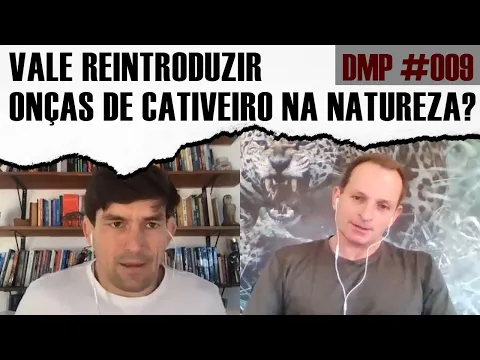

The Expansion Of Institutional Capacities—With Rehabilitation Centers, Validated Protocols, And Partnerships Between The Government, Universities, And Organizations—Indicates A Path To Gradually Consolidate New Wildlife Return Centers In Different Biomes.
What Is Still To Come In The Pantanal
The Continuation Of The Pantanal Model Depends On Simultaneous Fronts: Oversight Against Poaching, Prevention And Response To Fires, Ecological Corridors Connecting Private Areas And Conservation Units, In Addition To Maintaining Funds For GPS Surveillance And Rehabilitation Centers.
In Parallel, Rural Producers And Tourism Guides Remain Central Actors To Maintain The Balance Between Conservation And Income.
With Each Flood And Drought Season, The Monitoring Of Reintroduced Individuals And Their Descendants Provides Objective Metrics To Adjust Directions And Consolidate A Functional Population In The Long Term.
As A Society, What Is The Next Urgent Decision: To Establish Stricter Rules For Observation Tourism Or To Accelerate The Creation Of New Ecological Corridors That Connect The Reintroduced Population To Other Pantanal Refuges?





-

-

-

-

-

-

77 people reacted to this.