






 Portuguese
  Spanish
  2 min of reading
  0 comments


In the wake of an attack on a fuel terminal in Russia, oil prices experienced a significant increase, recording a rise of 2%. The attack on the terminal, which occurred recently, raised many concerns regarding the stability of global oil supply, as it undoubtedly has a direct impact on international commodity markets.
Russia, a key player in oil production and export, found itself targeted by an incident that led to a swift and noticeable rise in barrel prices. Investors and market analysts reacted to the news, closely observing the geopolitical and economic ramifications of this event.
The fuel terminal that was hit is crucial for the efficient distribution of Russian oil, both for domestic consumption and export. As a result, the direct impact of this attack reverberated through international oil prices, as markets reacted to the uncertainty surrounding supply stability.
-
A great economist predicted that by 2030 we would work only 15 hours a week, and John Maynard Keynes’s forecast is about to fail miserably almost 100 years later.

-
Brazilian fintech unexpectedly closes office, lays off dozens via video call, and leaves employees insecure while the company denies mass layoffs.
-
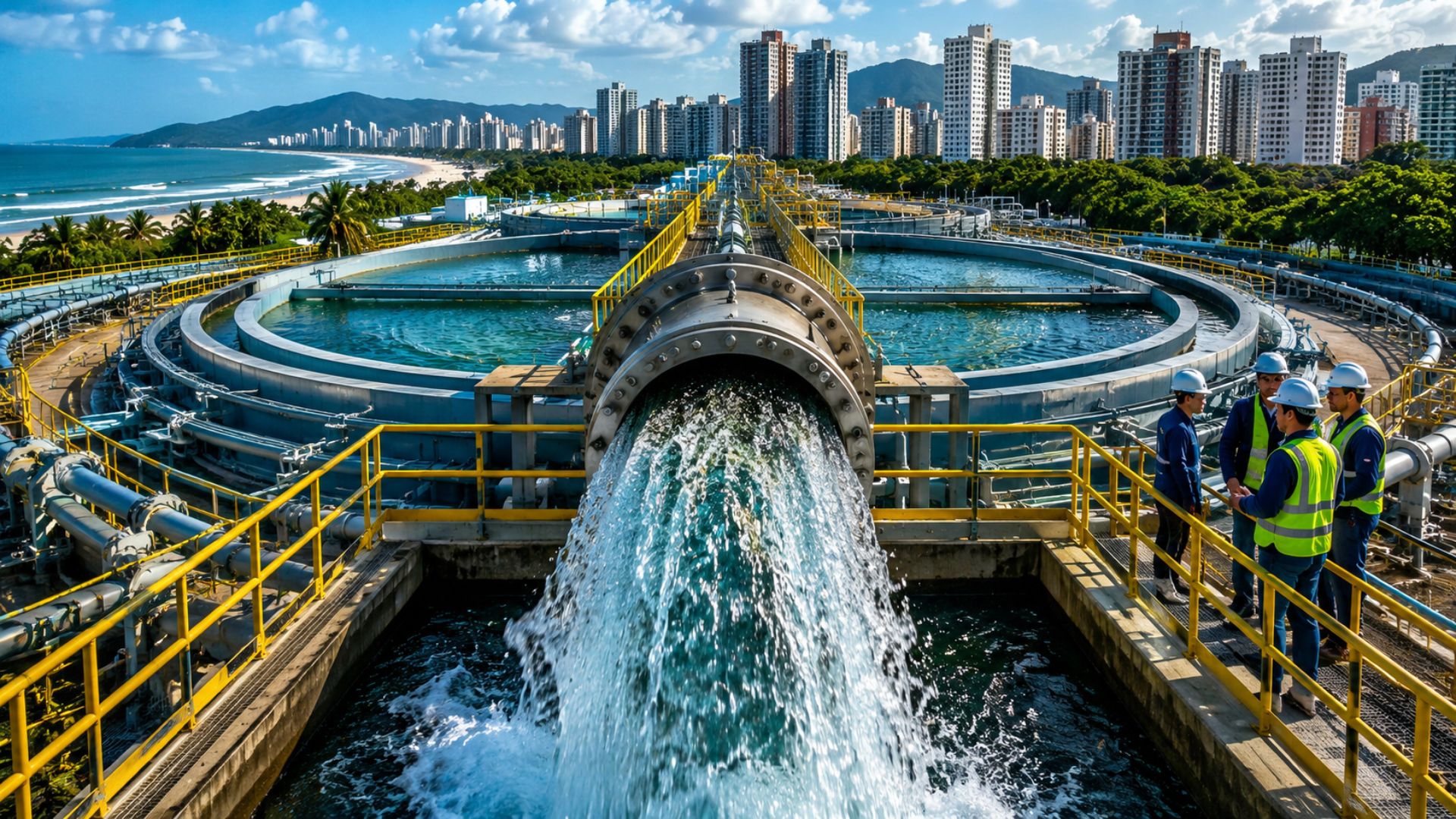
Largest investment per capita in Brazil: city receives R$ 1 billion in sanitation, invests 322% above the national average, and gains a new ETA capable of supplying an additional 1,270 liters of water per second.
-
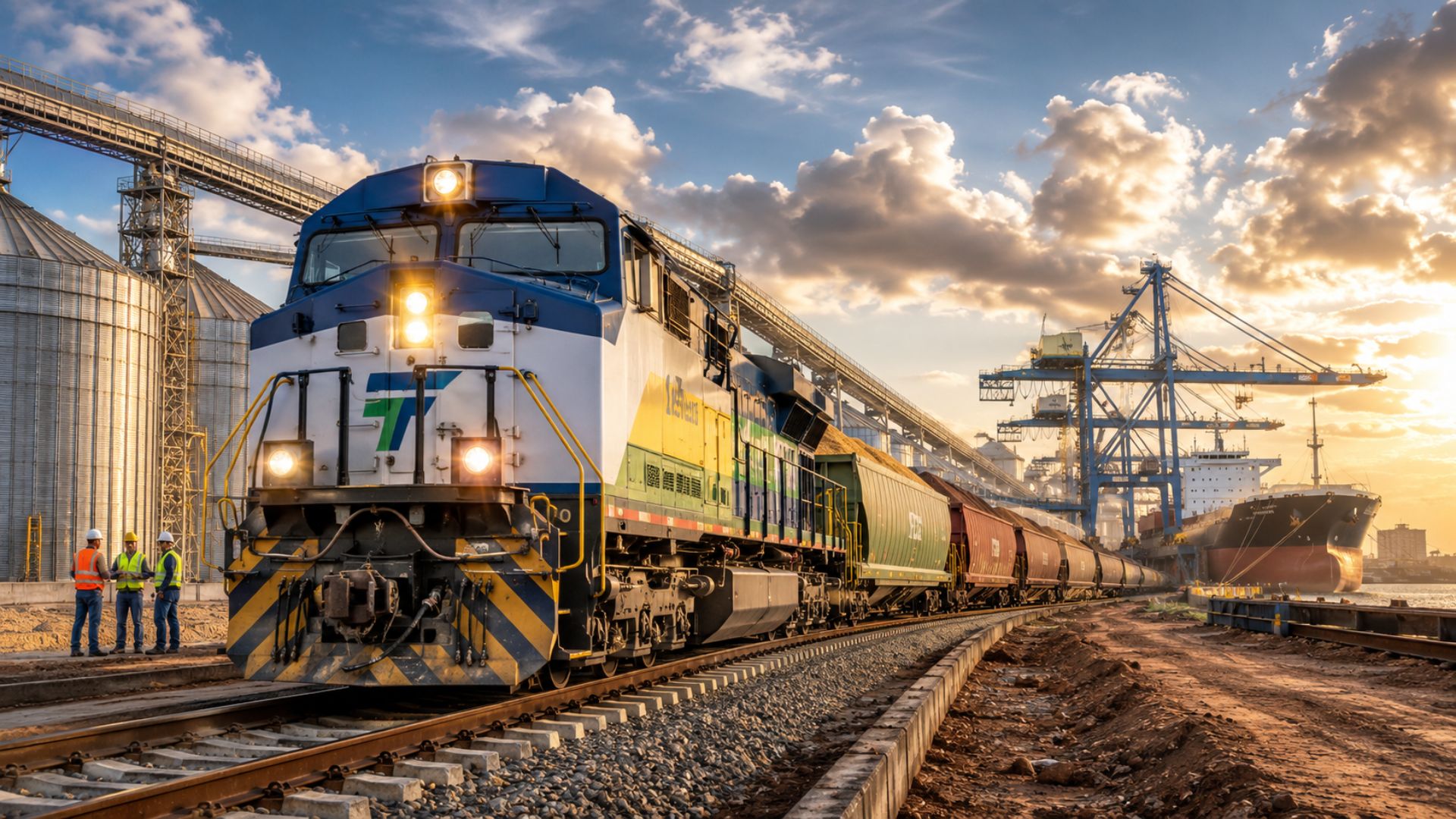
The truck leaves and the train enters: Transnordestina will invest R$ 3.6 billion in a new railway corridor with an 84-hectare terminal, a 7.5 km branch, and the capacity to double the movement of the Port of Pecém to 40 million tons.


International Reactions After Attacks in Russia That Caused Oil Prices to Rise
Volatility in oil prices, commonly susceptible to geopolitical events, is indeed an immediate reflection of international market conditions. The global community is now closely watching how political leaders and Russian authorities respond to this incident, while investors naturally assess the potential developments in global oil supply and demand.
As prices continue to fluctuate in response to such events, global financial markets remain vigilant, highlighting the critical interconnection between certain geopolitical events and the complex landscape of international energy trade. Therefore, the future of oil prices will depend not only on the actions taken by Russian authorities but also on the coordinated responses of the international community to these unforeseen situations and potential crises in the region.







Be the first to react!