Portuguese
  Spanish


The Pirelli Factory in Gravataí, in the State of Rio Grande do Sul, Produced Tires for Motorcycles and the Company Operated for 45 Years in the City
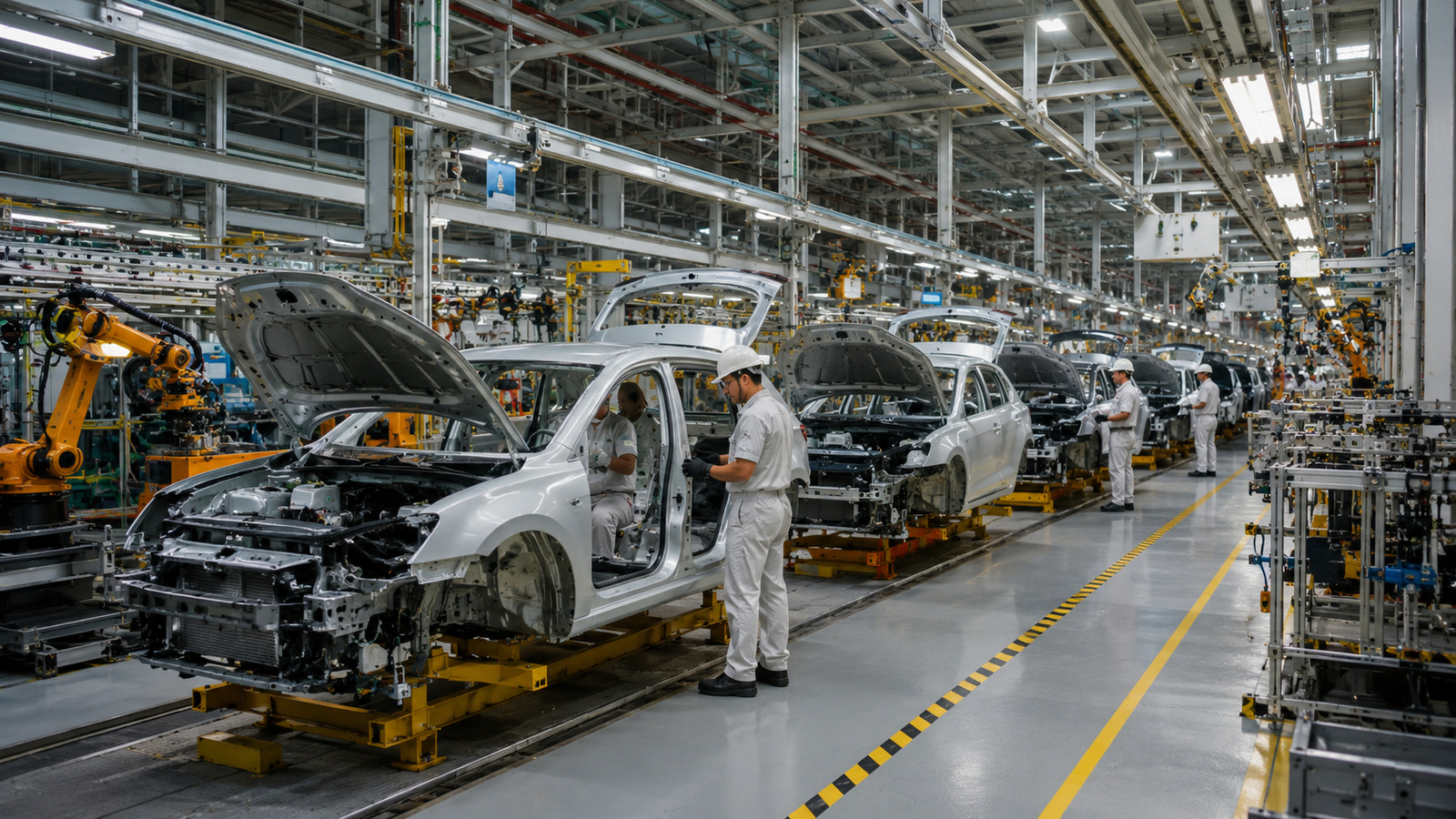
Last week, Pirelli completed the closure of the motorcycle tire factory in Gravataí, in the State of Rio Grande do Sul. The announcement of the unit’s closure was made in May 2019, when the manufacturer began a process of productive reorganization that included adapting the factory in the interior of São Paulo. With the closure, about 850 employees were laid off. See also: Building Materials Manufacturer Announces Investments of R$ 2.5 Billion and Construction of New Factory in the State of São Paulo
- Equinor Opens New Job Vacancies for Offshore Operations at the Peregrino Field in the Campos Basin
- IOS and Dell Open 120 Vacancies in Free IT Courses in RJ
- Energy Company Invests R$ 750 Million in Various Solar Plants, Five of Which Will Be Built This Year in Minas Gerais
- Mercur, an Industry in RS Operating in Health and Education, Will Build a Photovoltaic Solar Power Plant Capable of Generating 1.18 MWp in the Municipality of Santa Cruz do Sul
- Tesla and Samsung Finalize Mega Deal for Elon Musk’s Electric Pickup
The Closure of Production at the Unit in the State of Rio Grande do Sul
The announcement of the factory’s closure in Gravataí was made in May 2019, when the manufacturer began a process of productive reorganization that included adapting the Campinas factory, in the interior of the State of São Paulo, for the production of the tires that had been manufactured for 45 years on Gaúcho soil.
During this period, the government of Rio Grande do Sul tried, unsuccessfully, to persuade the Italian multinational to abandon the idea. Pirelli says it has taken measures to reduce the social impact of the factory’s closure, such as transferring workers to other operations of the group and conducting professional qualification courses for those who lost their jobs.
-
$134.7 Million Project in São Paulo Installs Over 5 Kilometers of Pipes, Creates New Underwater Crossing to Boost Water Supply for Over 450,000 People

-
At 61, Former Homeless Wheelchair User Receives Key to Container Home in Brazil, Declares Independence
-
São Paulo Highway to Receive Over $260 Million in Upgrades, Including 90 Kilometers of Service Roads and New Infrastructure, by 2027
-
Couple Transforms Abandoned Seaside Public Restroom Bought for £33,000 into £295,000 Beach House After a Decade of Renovations





An agreement with the union representing the factory workers in the region also provides for financial incentives, according to years of service, and an extension of health insurance for six months to the dismissed employees.
See Also: Graphene Factory in the State of Rio Grande do Sul Becomes Target for Chinese Investments
BraCham – Brazil-China Chamber of Commerce, Industry, Service and Innovation – had its representatives on a series of technical visits in Rio Grande do Sul, where they had access to several projects that sparked the interest of the Chinese, especially in the cities of Caxias do Sul and Rondinha. The Chinese showed interest in the graphene factory of UCS (University of Caxias do Sul), at the Serra Gaúcha Regional Airport, in Vila Oliva, and at the Port of Litoral Norte, in Rondinha.
The city of Caxias do Sul drew attention for its business and technological position in Rio Grande do Sul. Therefore, it is expected to be the first Brazilian city to host the BraCham office. The headquarters will be at the Science, Technology and Innovation Park of UCS, near the graphene factory of the University, TecnoUCS with the approval of the Chinese government.
The graphene factory at UCS allows for productivity expansion of up to 5,000 kg/year, enabling UCSGraphene to provide services for national and international markets in various sectors. The applications range from electronics, coatings, and metals, to regenerative medicine. Some examples of these uses were presented to the visitors, as well as a tour of the manufacturing plant, which currently has an installed production capacity of 500 kg/year.