Portuguese
  Spanish


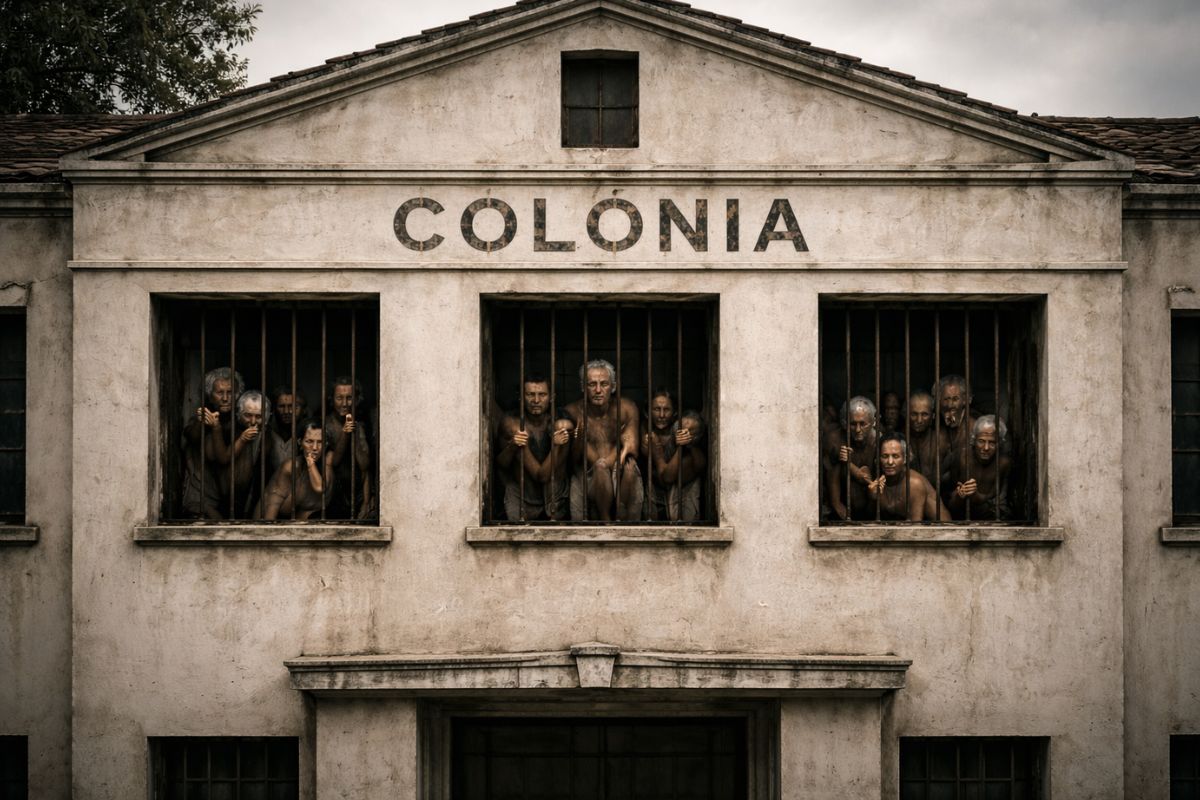


In The Mining City Of Barbacena, The Former Institution Known As Hospital Colônia Journeyed Through Decades Of Sanitary Reforms, State Control, And Neglect, Until It Was Described By Those Who Visited Auschwitz As A Worse Scenario. Reports Mention Overcrowding, 16 Degraded Pavilions, Interned Children, And An Estimated Balance Of 60 Thousand Dead Without Punishment.
Barbacena Appears In This Narrative As More Than Just A Mining Municipality And Becomes The Name Of A System. A Visitor Who Knew Auschwitz Would Have Summed Up Their Own Perplexity By Saying That What They Saw There Was Worse, And This Phrase Came To Function As A Shortcut To Explain State Cruelty, Silence, And Impunity.
The Central Question Is Not Just What Happened Inside The Hospital Colônia, But How A Public And Social Gear Managed To Operate For So Long. Among Reports Of Internments Without Diagnosis, Collapsing Structures, And The Sending Of Children, The Case Of Barbacena Exposes The Point Where Bureaucracy, Fear, And Political Convenience Become Routine.
From Healthy Refuge To Distant Solution For An Urban Problem

The Origin That Appears In The Reports Starts Far From Barbacena, In Paris, Still In The 19th Century, When Urban Reforms And The Idea Of Hygienization Gained Strength And Became A Reference For Other Capitals.
-
Former Truck Driver from Brazil Builds Logistics Company Aiming for $70 Million Revenue with 11 Branches, 700 Monthly Clients, and $10 Million Fleet Investment

-
World’s First Plasma Dress Turns Fashion Show into Scientific Spectacle with Controlled Electric Discharges and Ionized Gases in Iris Van Herpen’s Groundbreaking Tech-Fashion Creation

-
Phone Falls from Plane at 300 Meters in Rio de Janeiro, Continues Recording for 15 Seconds, Found by Environmentalist Next Day in Unbelievable Twist
-
8-Year-Old Finds 900-Year-Old Viking Bronze Buckle on Swedish Beach While Fossil Hunting




In Brazil, Rio de Janeiro, Then The Capital, Also Entered This Logic Of Reorganizing Streets, Expelling Makeshift Housing, And Trying To Contain Outbreaks And Diseases.
In This Context, The So-Called Colony Hospitals Emerge As A Type Of Refuge Away From The City, Associated With Mountains, Considered Better Air, And Distance From Urban Turmoil.
Barbacena, Described As A Place Of Rest And Shelter For Those With Resources, Enters The Map As An Ideal Setting To Receive An Institution That, In The Beginning, Would Have Been Seen As More Luxurious By The Standards Of The Time.
When The State Takes Over, Barbacena Changes Its Function

The Turning Point, According To Reports, Occurs When The Hospital Colônia Ceases To Be A Private Initiative And Becomes Under State Control.
From Then On, Barbacena Stops Attending Only Clinical Cases And Starts Receiving Masses Of People Labeled As Mentally Ill, In Addition To Individuals Sent By Family Convenience, Social Pressure, Or The Interests Of More Powerful People.
The Hospital Colônia Begins To Function As A Human Depot, Not As Treatment.
The Reports Describe A Logic Where Internment Becomes Punishment Or Discard, And The Distance Of Barbacena From The Center Of Decisions Helps To Reduce Oversight And Increase The Silence Around What Happened In The Pavilions.
The Train That Went, But Did Not Return, And The Stigma That Came Written
The Arrival Of People In Barbacena, In Part Of The Narratives, Is Associated With A Train Line Used To Transport Interned Individuals, With The Perception That The Flow Was One-Way And Not Return.
The Stigma Appears Even As A Visible Message, With The Idea That The Carriage Announced Who Was Being Taken, Creating Fear And Naturalizing The Distance.
This Image, Compared By Some To The Dynamics Of Concentration Camps, Helps To Understand Why Barbacena Became A World Symbol.
It Is Not About Equating Stories, But Recognizing The Social Mechanism Behind Them: A Group Is Marked, Removed From The Community, And Handed Over To An Institution That Operates Without Transparency.
The 16 Pavilions And The Engineering Of Overcrowding
Reports Mention 16 Pavilions That Initially Had Organization And Division Of Functions, But Later Collapsed With Overcrowding.
The Described Structure Includes Makeshift Beds, Lack Of Blankets In Winter, And People Sleeping Piled Together As An Improvised Response To The Cold And Lack Of Space.
From Then On, What Should Have Been Care Becomes Survival. The Routine Described Talks About Hunger, Lack Of Hygiene, Leaks, Little Clothing, Little Water, And An Environment Where Even Those Who Arrived Without Major Disturbances Could Leave With Deep Psychological Marks.
Barbacena Appears As A Place Where Discipline Replaced Dignity.
Death Without Ritual, Pits, And The Economy Of Neglect
The Reports Describe That Death Inside The Hospital Colônia Was Handled Without Individualization, With Bodies Transported Collectively And Buried In Common Pits.
The Idea Of Separation In The Cemetery Also Appears, As If Those Interned Were Not Recognized As Part Of The City In Barbacena.
Another Point Mentioned Is The Existence Of Records Of Body Sales To Local Colleges, In A Scale Described As High, With Mention Of More Than 1,800 Bodies Sold.
The Narrative Associates This With A System Where Families, When They Existed, Did Not Always Manage To Follow The Fate Of The Dead, And Where Institutional Silence Created Space For Abuses.
Forced Labor And Exchange For Food As Internal Currency
In Addition To Precariousness, There Are Reports Of Individuals Forced To Work In Construction And Services For The City Hall, And Even In Reforms Linked To Local Authorities.
The Compensation Would Be Minimal, Mentioning Food And Packs Of Cigarettes As Payment Or Bargaining To Survive In Barbacena.
This Layer Changes The Reading Of The Hospital Colônia From A Place Of Internment To An Apparatus Of Exploitation.
When The Institution Controls Food, Shelter, And Medication, It Also Controls The Body, Time, And Obedience, And The Boundary Between Care And Coercion Disappears.
Two Pills For Everything, Shocks, And Medical Improvisation
The Scarcity Of Qualified Staff Appears As A Central Piece. There Are Reports That There Were Not Enough Doctors And That Medication Was Standardized, With Few Pills Being Used For Very Different Situations.
One Of Them, Mentioned As Haldol, Emerges As A Strong Drug, Applied Not Only To Those With A Compatible Diagnosis, But Also As A Means Of Sedation And Control.
There Are Also Mentions Of Shocks As A Practice Of The Time, Used As “Treatment” And As Punishment, In Addition To The Sharing Of Syringes With Improvised Sterilization In Boiling Water Nicknamed The Boiler.
Barbacena Is Described As A Place Where The Method Was To Reduce People To Silence.
Children Sent In Mass And The Cost That No One Wanted To See
One Of The Most Serious Sections Involves The Sending Of Children To The Hospital Colônia, In The Midst Of An Environment Already Described As Chaotic And Resource-Less.
The Reports Mention Mass Transfers, Referencing More Than 100 Children Sent, And A Minimal Number Of Survivors, In Addition To Sequelae For Those Who Survived.
The Presence Of Children Intensifies The Question Of Responsibility. It Is Not Just A Structural Failure In Barbacena, It Is An Institutional Choice.
When A Society Allows That Children Are Treated As Discard, The Problem Ceases To Be Just The Hospital’s And Becomes The State’s And Those Who Consent.
The Moment When Barbacena Becomes A World Symbol
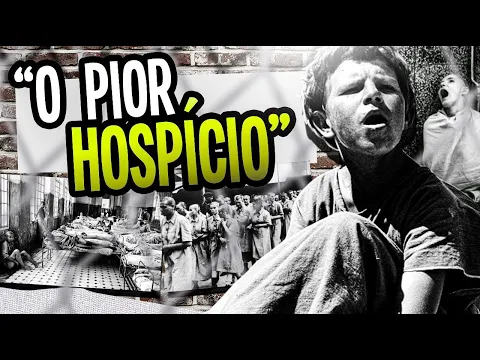

The Closure Is Associated With 1979, After Reports And Images Exposed Internal Conditions Described As Degrading.
The Reports Also Mention An Italian Visitor Who Knew Auschwitz And Who Would Have Declared Barbacena As Worse, A Phrase That Crossed Borders And Helped To Stame The Case As A World Symbol.
Today, The Memory Of Barbacena Appears Linked To The Possibility Of Visiting And Preserving Traces Of What The Hospital Colônia Was, But The Central Wound Remains The Same: An Estimated Balance Of 60 Thousand Dead And The Feeling Of Lack Of Justice.
The Question That Remains Is Who Paid The Price And Who Escaped Responsibility.
Barbacena Is Not Just A Story From The Past, It Is A Permanent Test Of How A Country Deals With Its Own Exclusion Mechanisms.
When Someone Compares Auschwitz To The Hospital Colônia, The Phrase Does Not Serve To Compete In Horror, But To ShowWhat Happens When The State, Society, And Politics Combine Silence With Distance.
I Want To Hear From You In Something Very Direct: When You First Heard About Barbacena, Was It As A “Legend”, As A Family Story, Or As A Documented Fact, And How Does This Memory Change Your Trust In Public Institutions Today? And If You Could Choose, What Should Barbacena Prioritize In Preserving This Past: Public Memory, Accountability, Or Compensation To Families?