





 Portuguese
  English
  Spanish
  4 min of reading


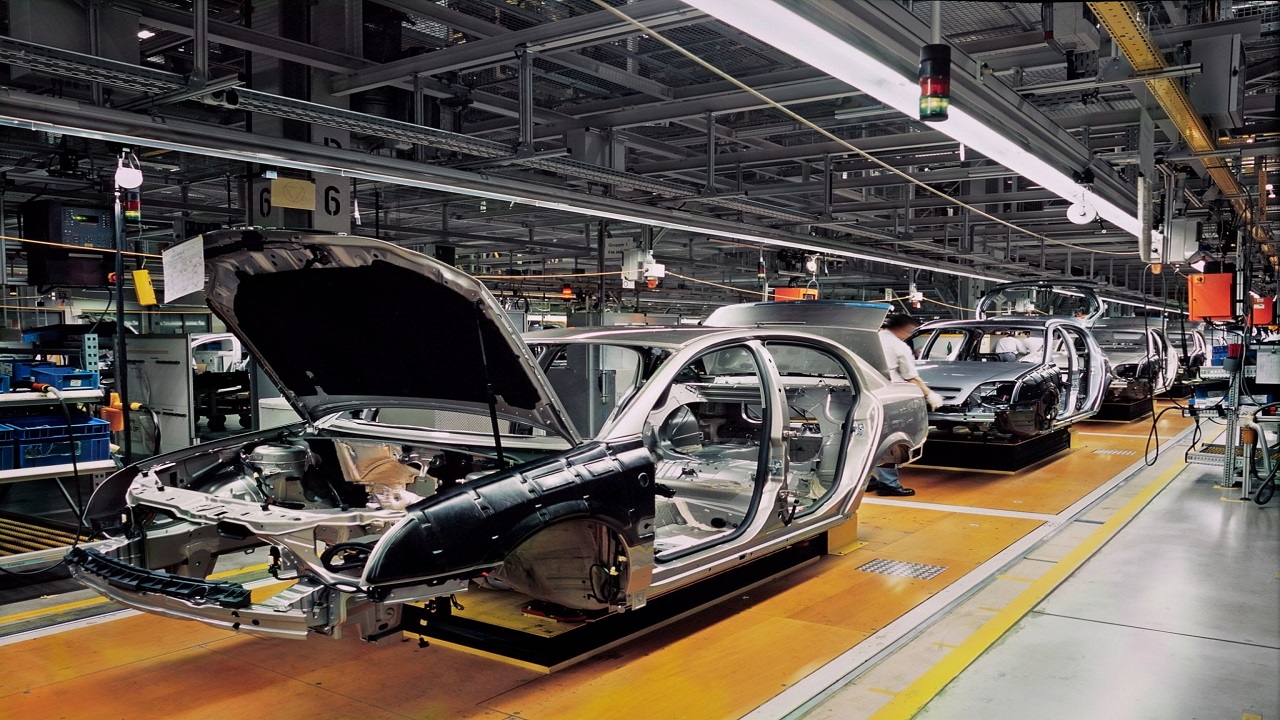
While The National Automotive Industry Faces A Crisis, Investment In Innovation Distantiate, And Consumers Seek Alternatives And Cheaper Cars
If the Brazilian automotive industry had already been facing difficulties in attracting investments for some time, with the impacts of the pandemic on vehicle production, the outcome for the sector became even worse. According to ANFAVEA (National Association of Motor Vehicle Manufacturers), in 2020, production in the country fell almost 32% compared to 2019.
Read Also
Meanwhile, according to OICA (International Organization of Motor Vehicle Manufacturers), the decline in vehicle production worldwide was approximately 16%, equivalent to half of the national results. Part of this is due to the economic crisis Brazil has been facing since 2015; however, experts point to other factors.
In addition to the lack of industrial inputs in the automotive industry, which is affecting various sectors during the pandemic, there is also a heavy tax burden, which, combined with the rise of the dollar, which increases production costs and devalues the local currency, creates logistical difficulties for, for example, exporting vehicles to more developed markets.
-
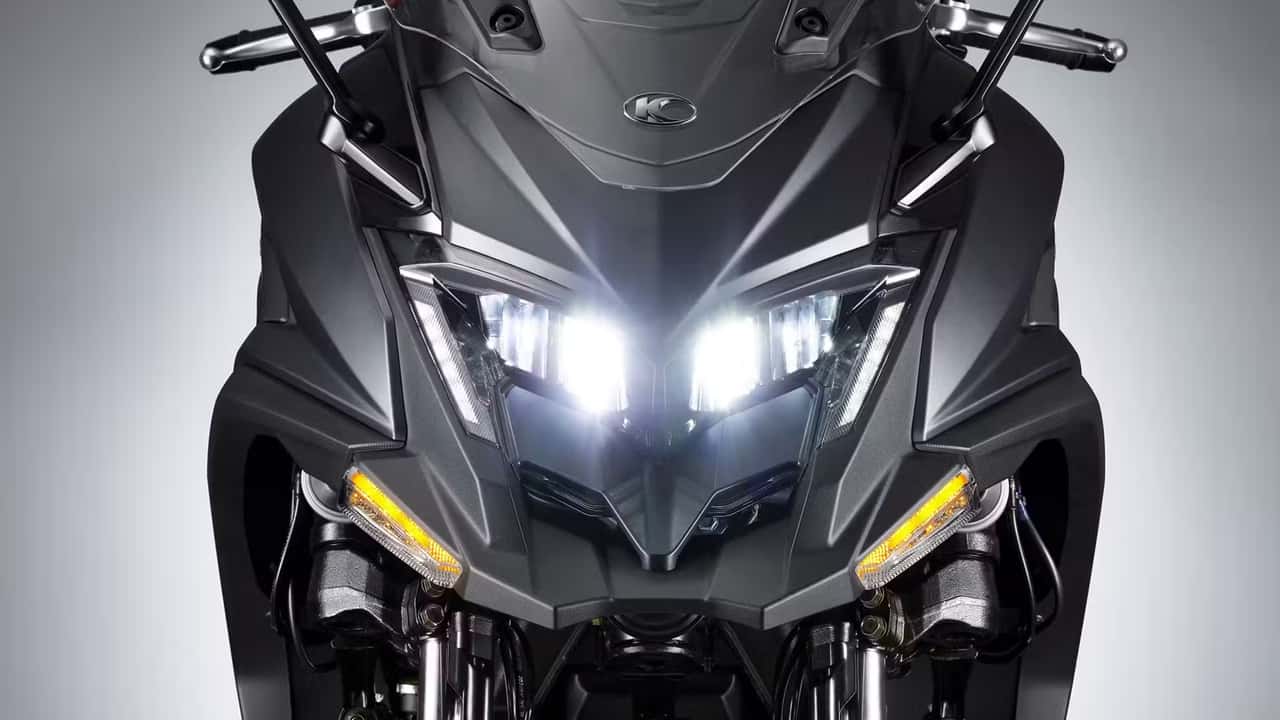
Kymco launches a 3-wheeled scooter with a 52 hp engine, a tilting front, and an audacious proposal to address one of the biggest fears of those who want to ride a motorcycle but still do not trust two wheels.
-
Most drivers make a big mistake on the road without knowing: there is an exact speed that makes the engine work with minimal effort and saves much more fuel, and it is neither 80 km/h nor 100 km/h as many imagine.

-
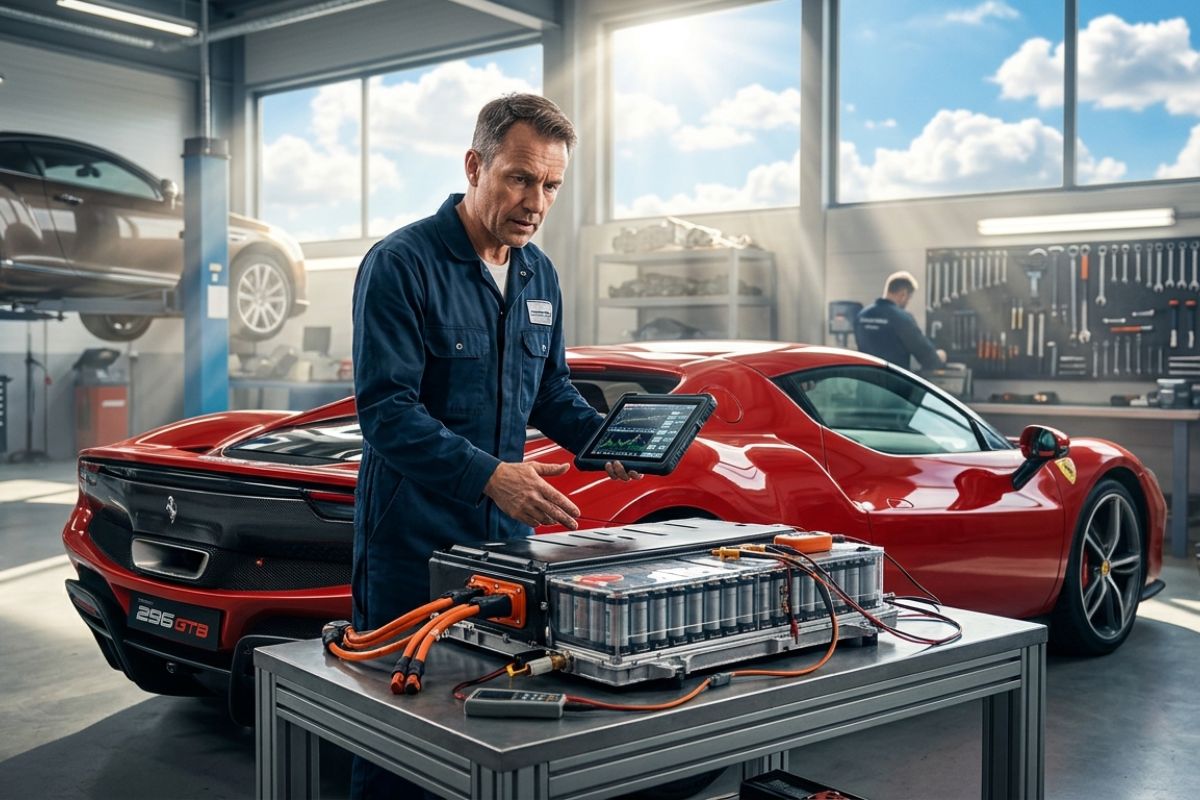
Mechanic explains: Ferrari 296 has a hybrid system management failure that can drain the high-voltage battery to an “irrecoverable” point in the car; recovery requires charging cell by cell on a bench, is risky, and the battery can cost R$ 250,000 imported.
-
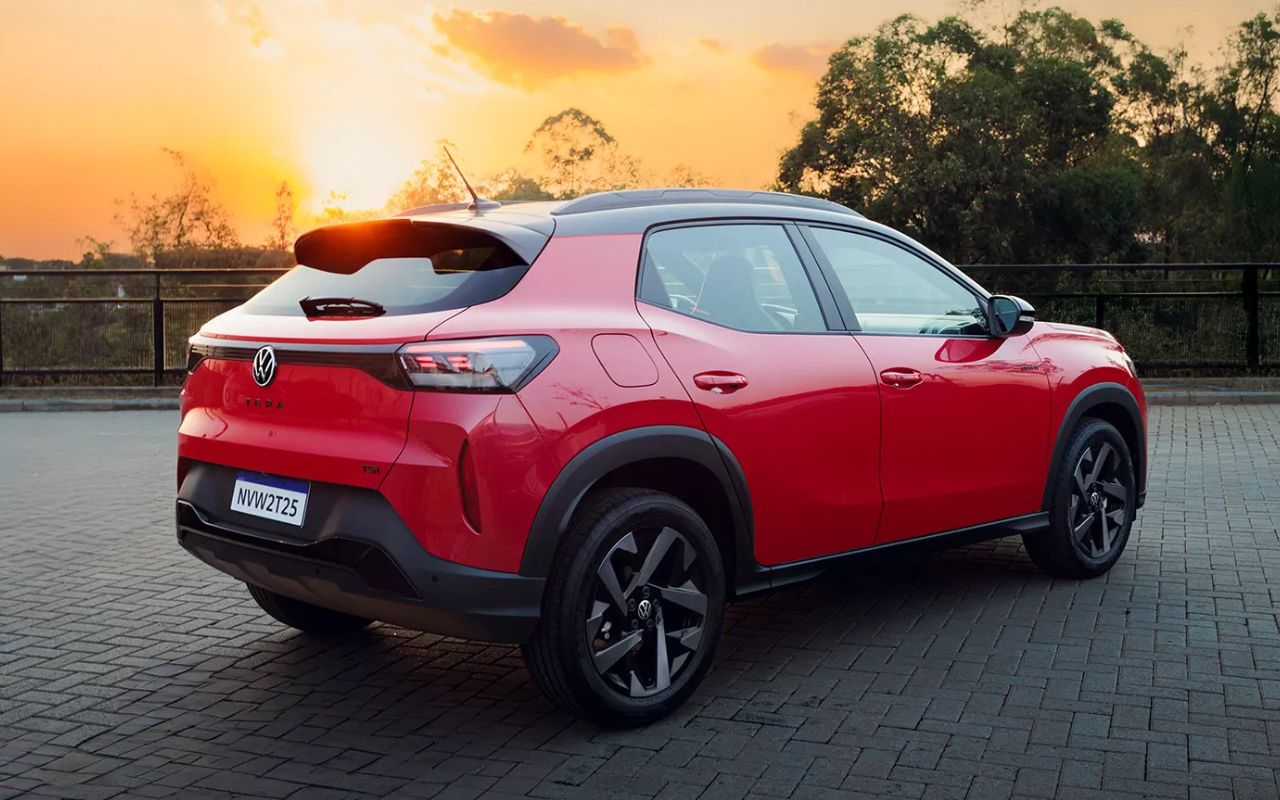
It surpassed the T-Cross, Creta, and Tracker: with nearly 8,000 units sold, the Volkswagen Tera was the best-selling SUV in March 2026.
Innovation In The Automotive Industry During The Crisis
The market is composed of repeating periods, meaning that the trend is that, from time to time, sectors face challenges that drive them to change. It is precisely in this moment of crisis that manufacturers and automakers find innovation as the best investment in search of good financial returns.
Even in the face of the pandemic’s impacts on the automotive industry, several countries are aligning with the automotive industry to think about the future and invest in the production and popularization of electric and hybrid cars. According to the International Energy Agency (IEA), despite the decline in vehicle production and sales in 2020, global sales of electric cars grew by about 41%.
The agency also estimates that by 2030, 60% of cars sold will be electric. But this is still not a reality for Brazil. Last year, electric cars accounted for only 0.3% of sales in the country. Furthermore, the Energy Research Company (EPE), linked to the Ministry of Mines and Energy, predicts that only 10% to 15% of the Brazilian fleet will be electric by 2050.
What About The Brazilian Consumer?
If, for now, electric cars are not a plausible alternative here and, according to Paulo Miguel Junior, President of the National Council of ABLA (Brazilian Association of Car Rental Companies), the average waiting time for the delivery of new vehicles is around 120 days, not being the best time to buy a new car, what about the Brazilian consumer?
For Brazilians looking to change cars, the most promising market has been the vehicle rental or the purchase of used cars. By April of this year, rental companies had already invested over R$ 6.7 billion in new vehicles to meet the demand for immediate vehicles that manufacturers cannot supply.
The Brazilian Association of Car Rental Companies also states that, last year, rental companies were responsible for registering approximately one in five light vehicles and commercial vehicles sold in the country. Data like this show the growth and strength of the sector.
According to ABLA, in January 2021, the rental fleet totaled over one million vehicles. Of these, 52% represent long-term rentals to private companies and public agencies, 20% for ride-hailing drivers, 20% for leisure trips, business, or temporary replacement of personal vehicles, and 8% for long-term rentals to individuals.
Whether due to financial difficulties or the opportunity to change cars for less, the buying and selling of used cars is another segment of the automotive market that remains strong, even during the pandemic.
According to the National Federation of Automotive Vehicle Dealers (Fenauto), in December 2020, this modality grew by 23.6% compared to the same period in 2019, driven by those who use the car for work or seek safe alternatives to avoid dependence on public transportation.
Credits: Flávia Viana – Conversion










Seja o primeiro a reagir!