






 Portuguese
  Spanish
  3 min of reading
  0 comments


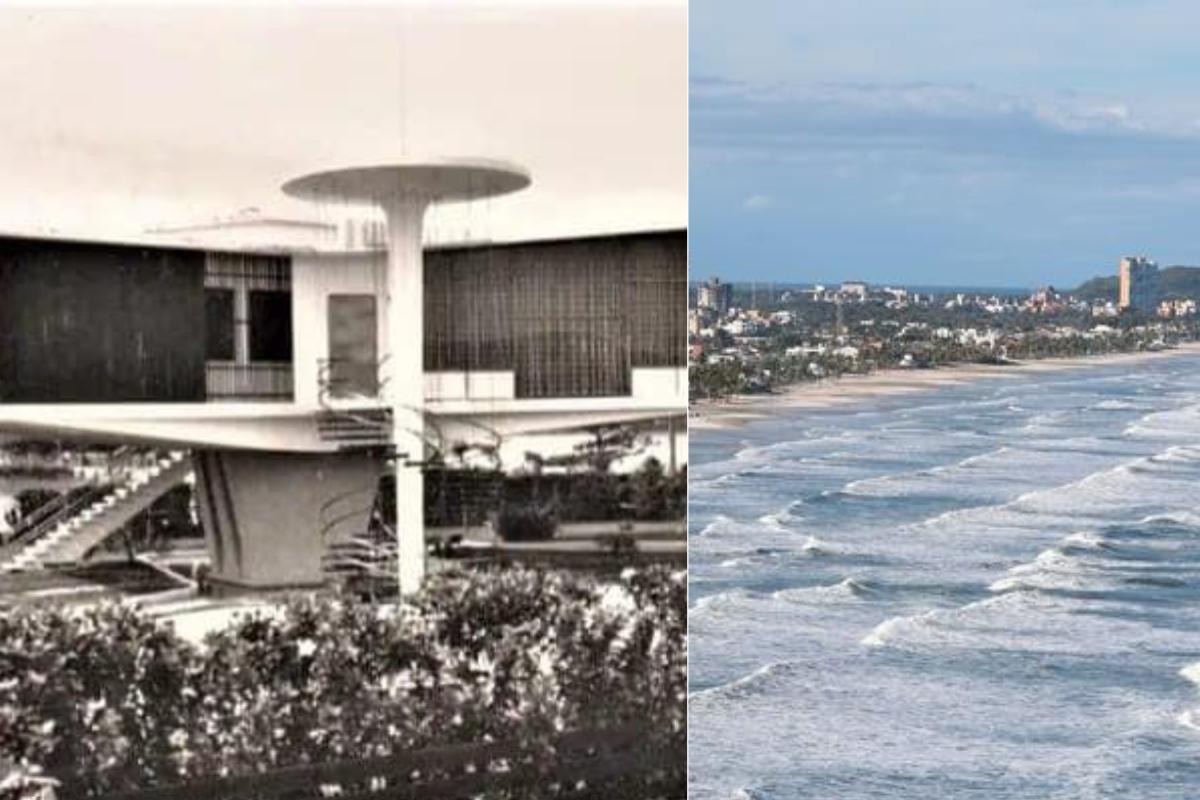
Historical Mansion in Guarujá Unites Legacy of the Matarazzo, German-Inspired Architecture, and Trajectory Tied to the Silvio Santos Business Group
The imposing mansion located on the coast of São Paulo, in the municipality of Guarujá, draws attention not only for its unique architecture but also for the history that involves important names in Brazilian society.
The property, currently owned by the business group linked to Silvio Santos, has its origins tied to the influential Matarazzo family, one of the most prosperous in the country in the 20th century.
Over time, the property has become a visual and symbolic landmark of the region, arousing curiosity both for its unusual design and for the trajectory of its owners.
-
Survivor of 1966 SS Daniel J. Morrell Shipwreck in Lake Huron Recounts 38-Hour Ordeal in Extreme Cold

-
The Greatest Hoax in World Cup History? The Film That Denied Brazil’s 1958 Victory and Exposed How Fake Evidence Can Seem Convincing on TV
-
Fake South Korean Online Stores Offer Shopping Thrill Without Spending Money or Receiving Products
-
The War of Jenkins’ Ear: How a Severed Ear Sparked One of the 18th Century’s Most Unusual Conflicts


Origin: Construction by the Matarazzo
The mansion was built in the 1950s at the request of members of the Matarazzo family, known for their vast industrial empire and constant presence in the Brazilian economic elite.
The construction was designed by an architect of international influence and stood out from the traditional residences in the region, both for its style and for the boldness of its forms.
From the outset, the work stood out as a different proposal for the coastal landscape of São Paulo.
The Matarazzo, descendants of Italian immigrants, were responsible for various buildings and ventures that marked the urban and industrial landscape of Brazil throughout the last century.
The family established itself as a patron and benefactor of national architecture and industry, leaving a legacy that transcends generations and remains visible in different cities across the country.


Unusual Inspiration: A Gas Station in Germany
The architectural design of the mansion has a curious and unconventional inspiration. According to an article from A Tribuna, the reference came from a gas station located in Germany, according to records associated with the work.
This aesthetic choice highlights innovative traits for the time and reveals a dialogue between modern European architecture and the Brazilian context of the 1950s.
Seemingly improbable for a luxury beachfront house, this foreign influence helped transform the building into an example of architectural creativity.
The result was a residence that deviates from classic standards and incorporates modern design elements, reinforcing its unique character in the local scene.
Current Owner: The Silvio Santos Group
Although conceived by the Matarazzo, the mansion changed ownership over the decades.
From the 1970s onwards, it belonged to Brazilian television host and businessman Silvio Santos, a prominent figure in television and business in Brazil, remaining in his possession until his passing.
Today, the property is managed by the Silvio Santos group, an economic conglomerate linked to the businessman’s family.
The group maintains interests in various sectors, including hotels, media, and real estate ventures, reinforcing the symbolic and economic weight associated with the property.
A Historic and Architectural Symbol
The mansion in Guarujá represents more than a high-end residence. It gathers history, architecture, and social memory, connecting the trajectory of influential families to a period of urban transformation in post-war Brazil.
With European inspiration and an unusual architectural line, the property remains a reference point in the landscape of the São Paulo coast.
Beyond its aesthetic value, the building carries backgrounds linked to industrialization, the rise of large business groups, and the presence of prominent public figures.
These complementary elements help explain why the mansion remains surrounded by interest and symbolism to this day.
With information from A Tribuna.





-

-

-

-

6 people reacted to this.