






 Portuguese
  Spanish


Guyana Experiences Unprecedented Economic Growth and Has Decided to Share Part of Its Oil Wealth with the Population, Offering Direct Payments, Bonuses for Newborns, Assistance to Students, and Tax Cuts on Essential Goods.
Guyana, neighbor to Brazil, has begun to share part of its oil revenue with the population through direct transfers and tax reductions.
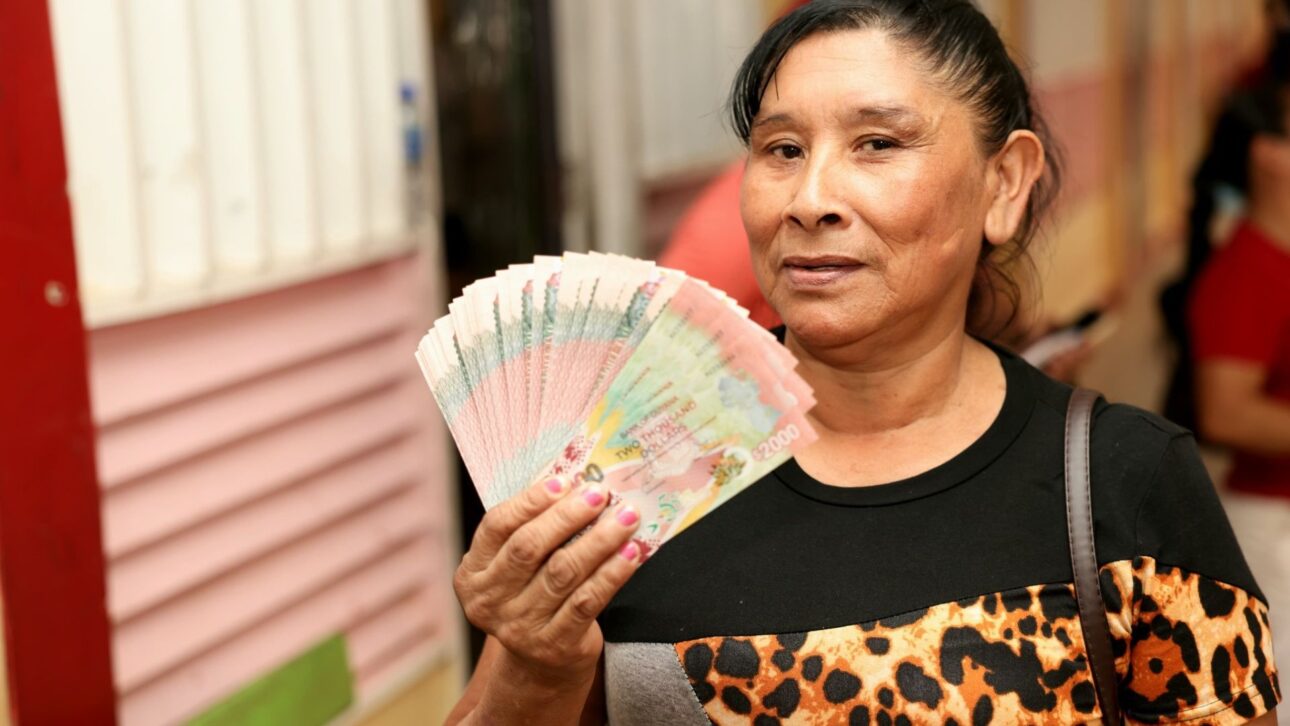
Since the end of 2024, every citizen aged 18 years or older is entitled to a one-time payment of G$ 100,000 (about R$ 2,590), a decision announced by President Irfaan Ali after the government abandoned the initial idea of paying G$ 200,000 per household to avoid excluding young people living with their parents.
Direct Payments to the Population
The benefit per adult began to be distributed in checks as early as 2024 and advanced throughout 2025, with schedules published by the Ministry of Finance.
-
Couple Sold Everything to Restore a 300-Year-Old Abandoned Mansion, Uncovering Ancient Books and Untouched Rooms

-
Couple Builds Sustainable Home from Straw Bales, Wood, and Clay in Brazil
-
At 64, Grandma Sônia Turned Homemade Recipes into a Family Business, Growing Casa de Bolos to Over 600 Locations and Expanding to Portugal

-
Brazilian Couple Builds Underground Bunker in Santa Catarina Amid Fears of Crises and Shortages, Spending $10,000 and Learning Construction from Scratch, Videos Go Viral


On January 7, the government reported over 90,000 checks delivered and 302,000 already printed.
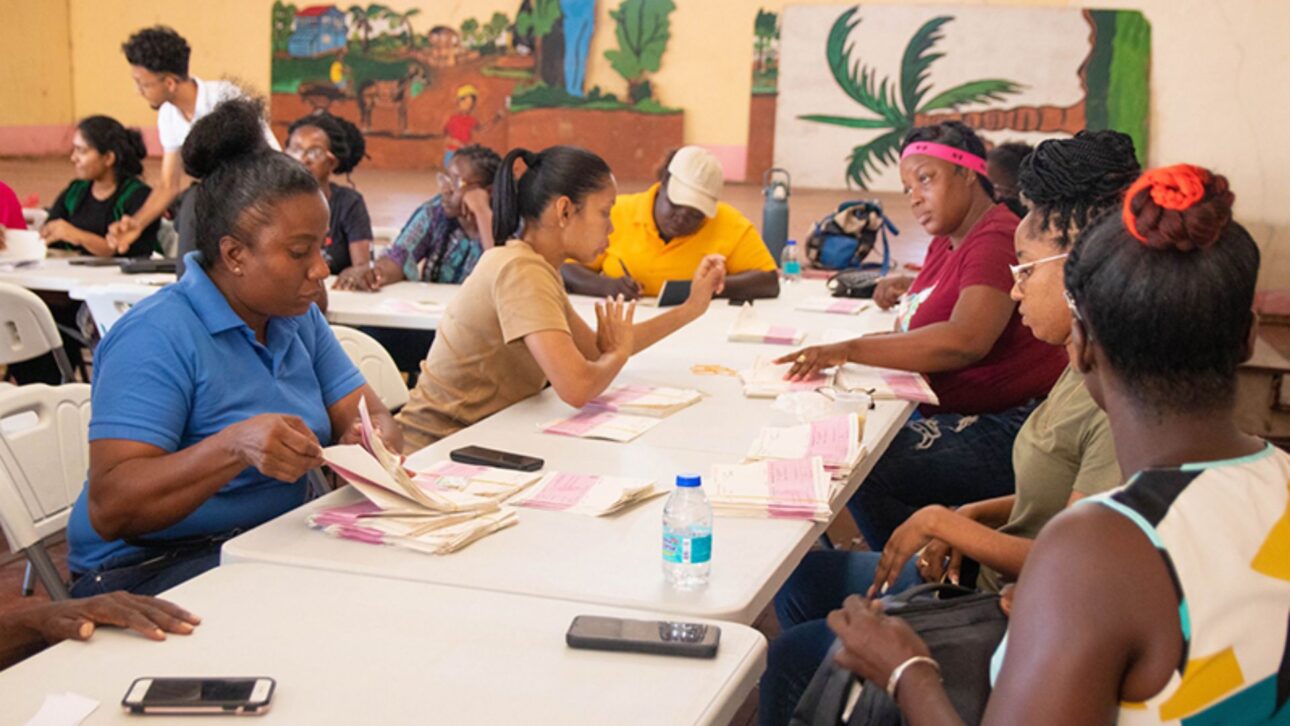
On March 5, the Ministry of Finance reported over 490,000 checks distributed, and by the end of May, authorities spoke of 578,182 checks delivered, about 96% of the total printed by then.
The distribution continues through regional centers, with registration verification via the official app.
Costs and Funding of the Measure
To fund the measure, the government has earmarked tens of billions of Guyanese dollars from the budget.
On May 26, 2025, Parliament approved an additional G$ 3 billion to support the logistics of distribution.
Of this amount, G$ 202.6 million was allocated for check printing and G$ 342.9 million for administrative costs such as transportation, security, and infrastructure at delivery points.
The Executive asserts that the choice for printed checks accelerates the flow in remote areas.
Bonus of R$ 2,590 for Newborns
In March 2025, the government launched a bonus of G$ 100,000 for each baby born in the country starting January 1, 2025.
The initiative, included in the 2025 Budget, is expected to cover about 17,000 births per year and cost G$ 1.3 billion annually.
The presidential palace claims to have set up a system for mothers to receive the check within a week and before discharge.
At the launch ceremony, Ali stated that the benefit is “not a privilege, it is a right” of every Guyanese child.
Assistance to Public and Private School Students
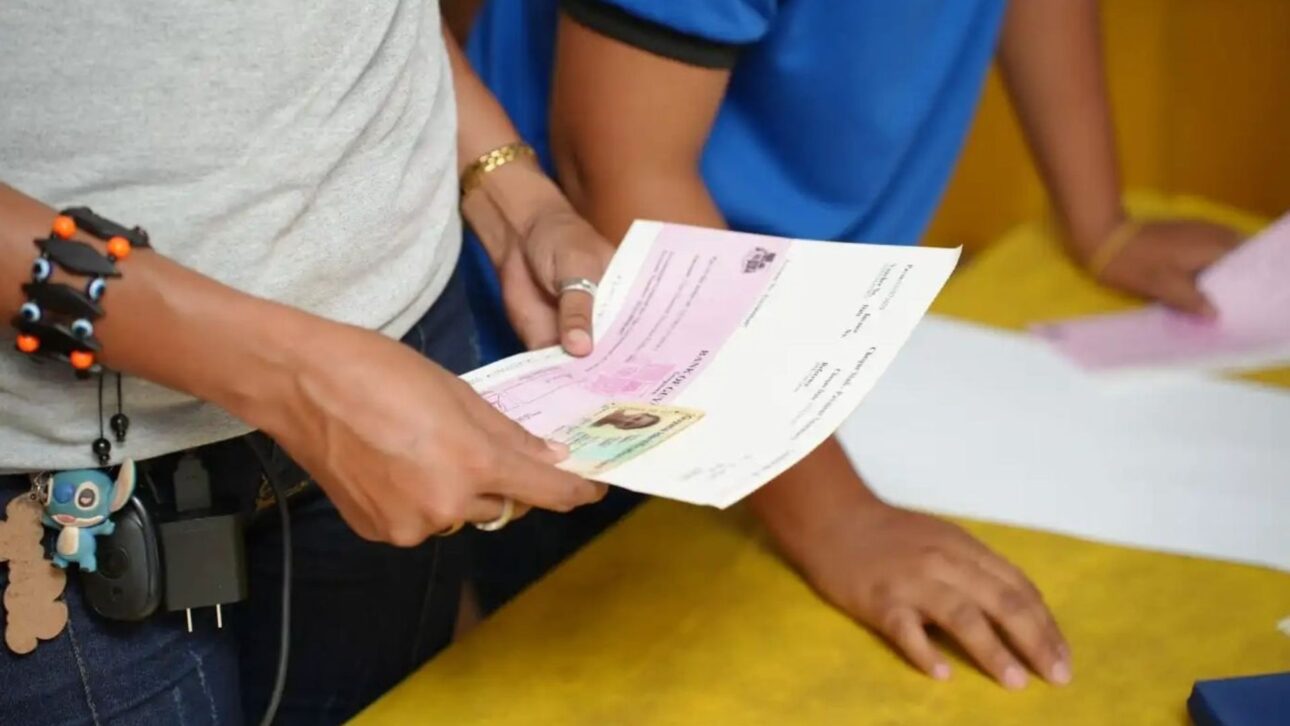
In addition to newborns, families with children enrolled in public and private schools began receiving in 2025 the “Because We Care” program, now set at G$ 50,000 per student plus G$ 5,000 for uniforms and supplies.
This amount is equivalent to about R$ 1,300 per child. Distribution began in May, aiming to reach 205,000 students throughout the year, according to the Ministry of Education.
Tax Cuts on Essential Goods and Services
The social package was accompanied by exemptions and tax reductions.
Since 2020, water and electricity have had a zero VAT rate, and the list of essential goods with preferential treatment has been expanded in subsequent measures.
The changes also include relief for construction materials, agricultural inputs, and other basic items.
Record GDP Growth with Oil
The fiscal and social turnaround occurs amidst unprecedented expansion.
World Bank data shows that Guyana’s GDP has jumped from about US$ 4.28 billion in 2015 to US$ 24.84 billion in 2024 (current values).
In real terms, the country grew 63.4% in 2022, 33.8% in 2023, and 43.4% in 2024, driven by oil and the growth of the non-oil sector.
Minimum Wage and Impact on Family Income

In the labor market, the national minimum wage in the private sector is set at G$ 60,147 per month, a value in effect since July 1, 2022.
The government has also announced targets to raise the floor for the public service and has been implementing annual salary adjustments for civil servants.
Cash transfers, coupled with tax reform, increase disposable income, but the opposition and unions demand convergence between wages and the cost of living.
Electoral Context and New Promises
The intensification of payments coincides with the electoral calendar.
Guyana will hold general elections on September 1, 2025, and Irfaan Ali is seeking a new mandate.
In the campaign’s final stretch, he signaled the possibility of a new payment of G$ 100,000 still at Christmas, repeating the phrase “we will have a beautiful Christmas” at a recent rally.
Opposition parties promise to maintain or expand benefits, while simultaneously criticizing the management of the oil contract and the pace of decrease in the cost of living.
Optimistic IMF Projections
The latest assessment from the International Monetary Fund, published in May 2025, projects that Guyana’s economy is expected to grow by an average of 14% per year over the next five years.
The non-oil GDP is expected to maintain a robust trajectory thanks to investments in infrastructure, productive diversification, and welfare policies.
For the IMF, the outlook remains “highly favorable,” although sustainability requires fiscal transparency and discipline in the use of oil revenue.
Challenges for the Future of Guyana
As offshore production scales up, the government aligns policies to bring benefits to the interior and poorer neighborhoods.
However, civil organizations and analysts point out challenges in implementation, inflationary risks, and skill labor shortages.
The design of transfers via checks and the expansion of exemptions aim to circumvent some of these frictions, but the measurement of impact will remain at the center of public debate as new rounds of benefits are announced.
In this scenario, is the strategy of distributing oil money through checks and reducing taxes fulfilling the goal of “sharing the wealth” quickly, or will it require adjustments to reach those who need it most more efficiently?




Tá tudo certo!.
O poblema aki é o povo ignorante ,e que não vale nada. Só elege strummers
No Brasil, o dinheiro do petróleo tem servido apenas para alimentar a corrupção **** e projetos culturais fracassados.
Como é bom ter governo sério.