Portuguese
  Spanish


Discover How Villa Fiorito Becomes a Reference of the Energy Revolution in Argentina, Uniting Clean Energy, Social Inclusion, and Community Pride
On the same dirt streets that saw the birth of Diego Armando Maradona, Villa Fiorito, a humble neighborhood of Greater Buenos Aires, now stands out in a new type of achievement.
Therefore, if previously local pride was concentrated on the victories of its idol on the soccer fields, it now extends to the energy revolution in Argentina, represented by the Diego Maradona Community Solar Park.
Thus, this project transforms the way the community consumes and produces energy, showing that it is possible to unite sustainability, social inclusion, and local development.
-
Brazilian scientists are simultaneously advancing two research projects on clean hydrogen and driving solutions that could transform the energy matrix, enhance industrial competitiveness, and accelerate large-scale emission reduction targets.

-
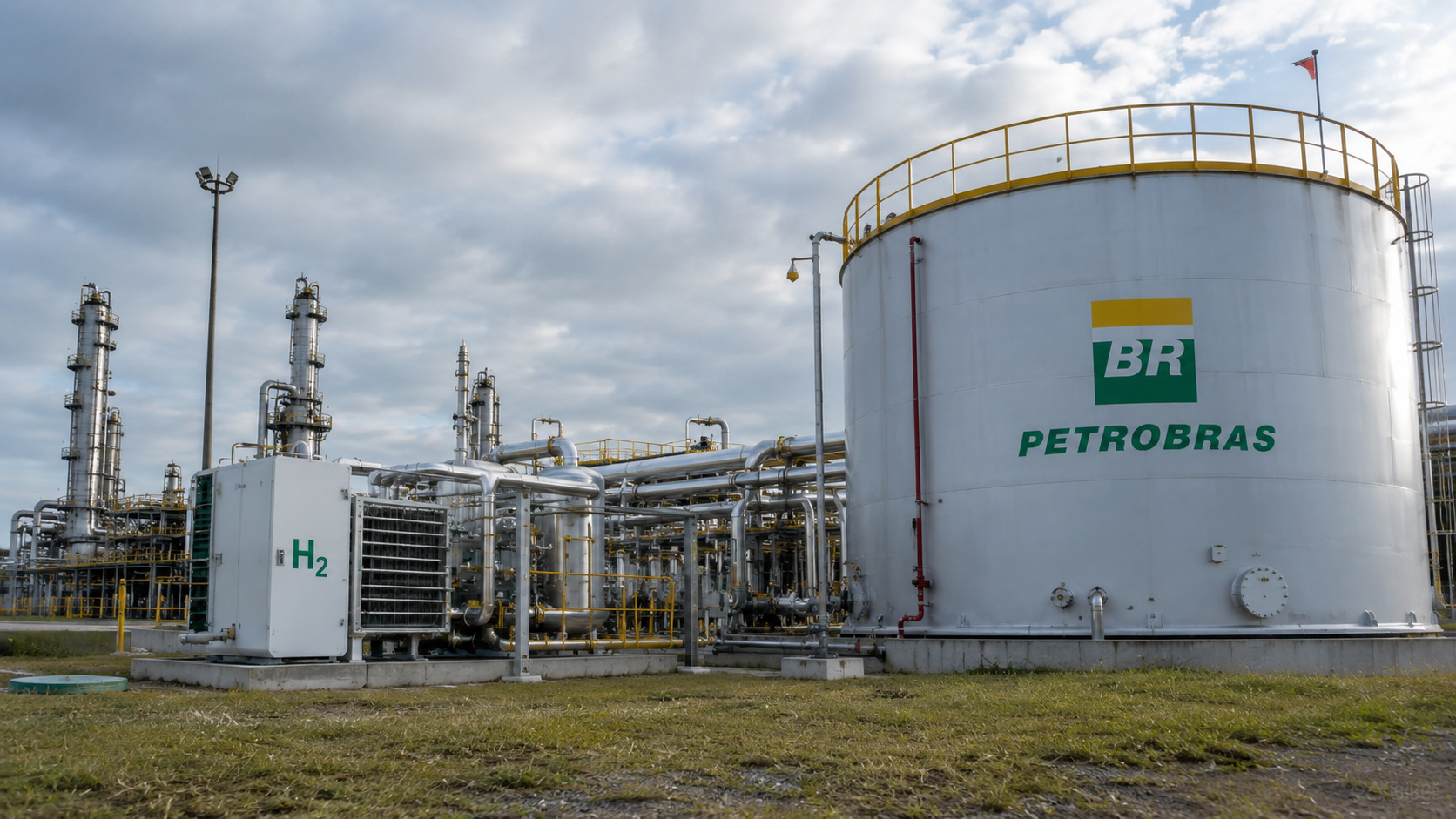
Advancement in renewable energy: A R$ 150 million project launched by Petrobras and Finep aims to create state-of-the-art electrolyzers for green hydrogen, strengthening national research and preparing Brazil to compete in a billion-dollar energy market.
-
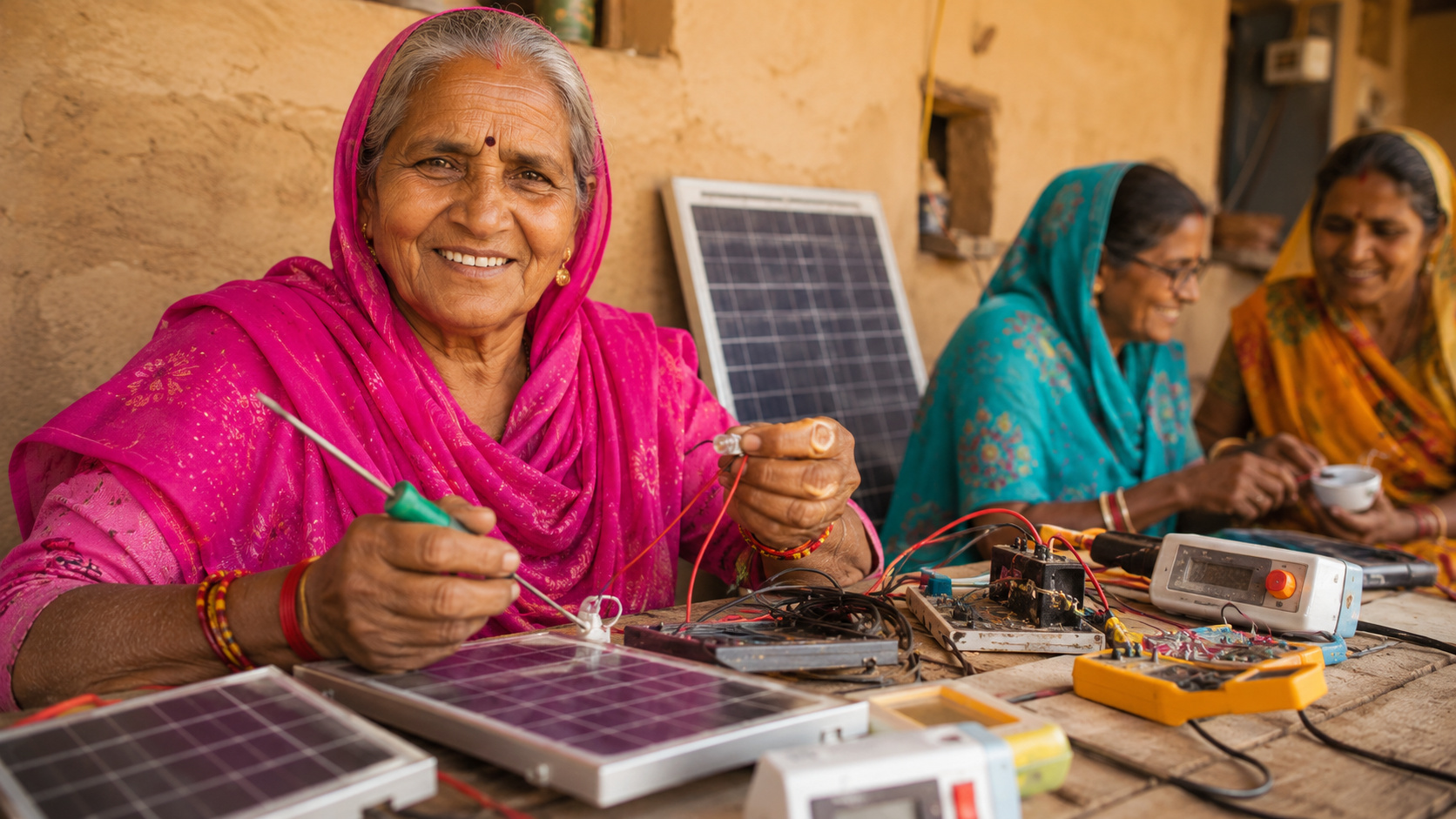
Illiterate or semi-literate grandmothers were trained to repair solar systems, open rural workshops, and light up homes that still depended on kerosene.
-
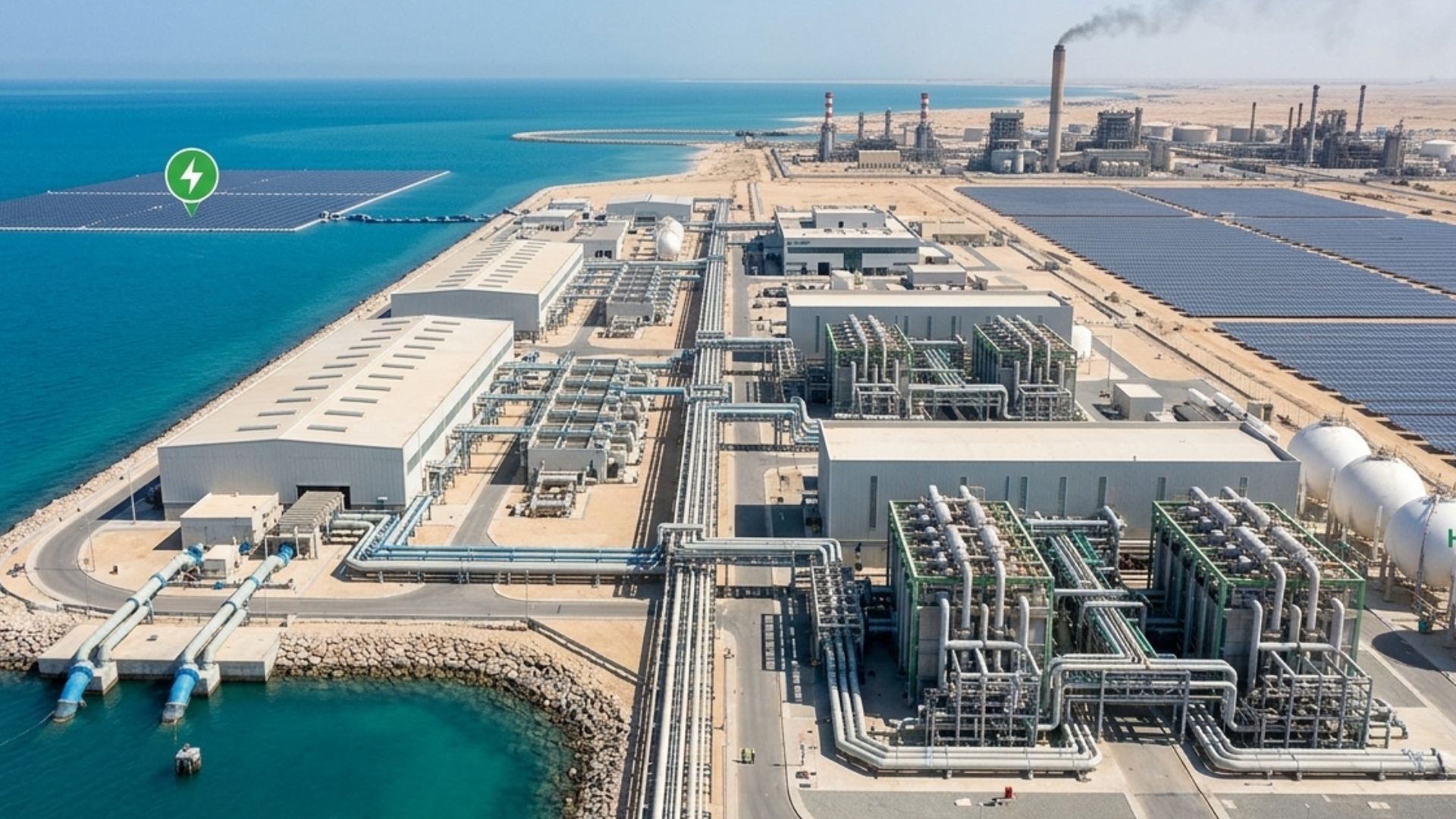
The world has bet on green hydrogen as the fuel of the future, but now faces the side effect: producing 1 kilogram requires about 9 liters of ultrapure water, and the largest projects on the planet are precisely in the driest regions of the Earth, where water is already scarce for people.


Historically, Argentina has gone through different phases of energy development.
For much of the 20th century, the country relied heavily on fossil fuels, such as oil and natural gas, to meet the growing demand of cities and industries.
Moreover, the centralized model of electricity generation, concentrated in large plants and controlled by a few companies, reflected social inequalities, leaving peripheral neighborhoods like Villa Fiorito in conditions of energy poverty.
Consequently, many families faced frequent power outages, high costs, and limitations for essential activities, such as studying, working, and leisure.
However, distributed generation projects, such as the Diego Maradona Community Solar Park, have changed this scenario.
Villa Fiorito: From Soccer Pride to Clean Energy
Indeed, the initiative, installed at Club Atlético Fiorito, is not limited to electricity production.
On the contrary, it promotes a cultural and social change: the neighborhood residents stop being passive consumers and take charge of their own energy.
In this way, this transformation symbolizes the essence of the energy revolution in Argentina, which seeks to democratize access to clean energy, reduce inequalities, and promote autonomy for historically marginalized communities.
Additionally, the impact of this type of project goes beyond immediacy.
It also fosters environmental education, as young people learn about solar energy, distributed generation, and sustainability.
For instance, workshops, technical visits, and educational programs take place at the club itself, promoting awareness about conscious consumption and technological innovation.
Thus, the neighborhood becomes a living lab of renewable energy, encouraging new ideas and solutions that can expand to other regions of the country.
The Meaning of the Name and Local Identity
Furthermore, the name of the solar park did not arise by chance.
Maradona, a figure who transcends soccer, symbolizes the hope that even those who come from humble beginnings can achieve recognition and success.
Therefore, today, his legacy inspires another type of victory: access to clean and affordable energy.
Moreover, the project connects sustainability and cultural identity, creating a sense of belonging and local pride.
Thus, Villa Fiorito transforms into a living example of how the energy transition can be realized in an inclusive and community-based way.
The park operates simply but efficiently.
First, the photovoltaic panels capture solar radiation and convert it into electricity; then, the inverter transforms this direct current into alternating current, compatible with appliances and the club’s electrical network.
In addition, a bidirectional meter monitors both the consumed and produced energy, allowing the excess to be injected into the grid and generating credits for the club and, indirectly, the entire community.
In this way, this model reduces costs and creates learning and awareness opportunities about renewable energy.
Indeed, the initiative also stands out for its social impact.
With the reduction of the club’s electricity bills, the resources saved go towards sports, cultural, and educational activities, benefiting children and young people in the neighborhood.
Moreover, the construction and maintenance of the park create local jobs, strengthening the economy and social fabric of the community.
Therefore, this approach shows that environmental sustainability and social development go hand in hand, reinforcing the concept of just transition that guides the global energy revolution.
The Energy Transition in the Argentinian Context
In the Argentine context, the Villa Fiorito project reflects broader trends.
In recent years, the country has invested in public policies and incentives for renewable energies, such as solar, wind, and biogas.
Moreover, these efforts arise amid economic crises, political instability, and dependence on fossil fuels.
Therefore, the energy transition involves not only environmental issues but also strategic ones, capable of strengthening energy sovereignty, reducing economic vulnerabilities, and contributing to climate change mitigation.
Furthermore, the energy revolution in Argentina takes on special meaning when observing the local impact in neighborhoods like Villa Fiorito.
Communities that once faced difficulties in maintaining basic services now are at the forefront of their own transformation.
Consequently, this phenomenon shows that clean energy solutions can expand in a scalable and adaptable way, benefiting both densely populated urban areas and more remote regions.
Thus, the Villa Fiorito experience becomes a model to be replicated, proving that deep changes do not need to arise solely from the top political or corporate echelons but also from community initiatives.
Therefore, this link between local identity and technological innovation reinforces that the energy revolution in Argentina involves infrastructure, awareness, and participation from civil society.
In addition, the project encourages the creation of collaborative networks between neighborhoods and neighboring cities.
By sharing experiences, technologies, and management practices, communities adopt similar solutions, expanding the reach of solar energy and other renewable sources.
This strengthens the local economy, increases social and environmental resilience, and demonstrates that sustainability is a tool for collective transformation.
Technology and Social Equity
Furthermore, the Villa Fiorito experience shows how technology can become a tool for social equity.
By allowing communities to produce and manage their own energy, projects like the Diego Maradona Community Solar Park reduce dependence on centralized systems and promote autonomy.
In this way, this approach strengthens the concept of distributed generation, which spreads across different regions of the country, forming a network of small initiatives that, combined, transform the Argentine energy matrix.
Historically, the project marks a turning point.
If previously access to energy was a privilege for a few, today inclusion and sustainability take center stage.
Additionally, this change reflects global trends in energy transition, but applies in a special way to communities facing significant socioeconomic challenges.
Therefore, the lesson from Villa Fiorito is clear: combating the climate crisis must go hand in hand with social justice, and clean energy can catalyze this transformation.
Moreover, the growth of community renewable energy projects also boosts the local economy, stimulating suppliers, technicians, and specialized companies.
This cycle generates jobs, develops skills, and strengthens small economies, creating positive impacts that go beyond electricity consumption.
Consequently, the energy revolution in Argentina involves economic, social, and cultural transformation.
A Legacy of Hope and Sustainability
The legacy of the neighborhood of Maradona, which inspired millions with a ball, now expands to sustainability.
Therefore, Villa Fiorito demonstrates that it is possible to build a more equitable and clean future, utilizing local resources, accessible technology, and community participation.
Thus, the Diego Maradona Community Solar Park becomes a symbol of hope and a practical model of how the energy revolution in Argentina is realized, directly benefiting people and contributing to a more sustainable planet.
Looking to the future, the Villa Fiorito experience inspires other communities.
Each installed panel, each kilowatt generated, and each energy credit created represents more than electricity; it symbolizes a paradigm shift, a concrete step towards a more just and conscious society.
Therefore, the energy revolution involves vision, planning, and, above all, engaged people transforming their own environment.
In this way, Villa Fiorito shows that the energy revolution in Argentina can arise in the heart of popular neighborhoods, guided by creativity, cooperation, and the desire to build a better future.
Thus, the Diego Maradona Community Solar Park proves that with initiative, technical knowledge, and community engagement, it is possible to create replicable, sustainable, and profoundly human solutions, positively impacting both the environment and society.