






 Portuguese
  Spanish
  3 min of reading
  0 comments


Conflict between United States, Israel, and Iran pressures fossil fuels and reinforces the advance of renewable energies, while UN points to impact on investments, energy security, electricity bills, and financing for developing countries worldwide
The conflict between the United States, Israel, and Iran is causing a global boom in renewable energies, Simon Stiell stated this Thursday (30), in Paris, linking the war to the fossil fuel crisis.
Fossil fuel crisis pressures economy
UN Executive Secretary for Climate Change, Stiell stated that the war’s impact has raised fossil fuel costs, stifling the global economy and advancing stagflation.
For him, the tragedy exposes an irony: forces that tried to keep the world dependent on fossil fuels ended up indirectly boosting the expansion of clean sources.
-
Advancement in renewable energy: A R$ 150 million project launched by Petrobras and Finep aims to create state-of-the-art electrolyzers for green hydrogen, strengthening national research and preparing Brazil to compete in a billion-dollar energy market.

-
Illiterate or semi-literate grandmothers were trained to repair solar systems, open rural workshops, and light up homes that still depended on kerosene.
-
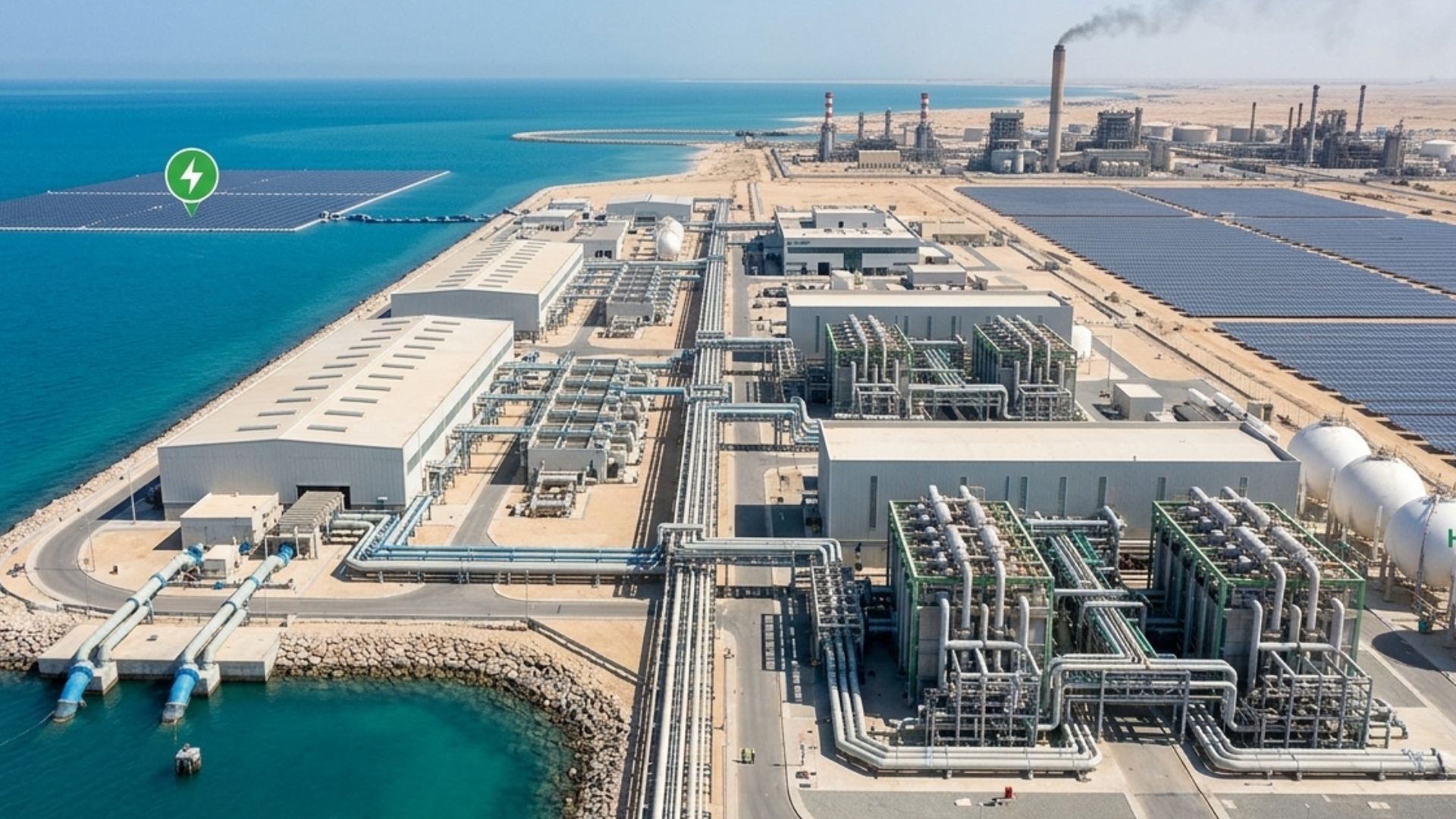
The world has bet on green hydrogen as the fuel of the future, but now faces the side effect: producing 1 kilogram requires about 9 liters of ultrapure water, and the largest projects on the planet are precisely in the driest regions of the Earth, where water is already scarce for people.

-
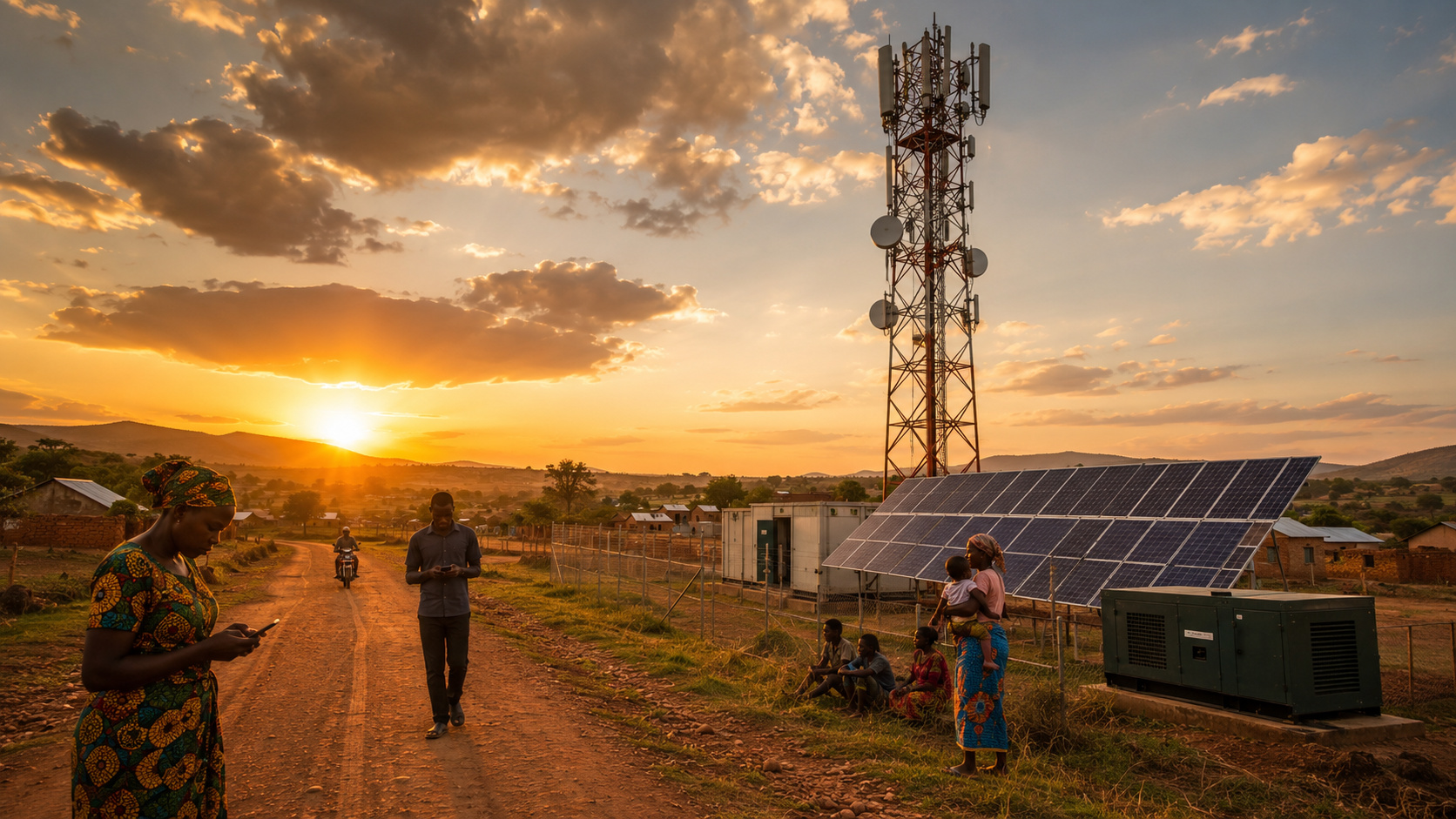
Africa has about 500,000 cell towers and most still burn diesel to operate, while companies rush to cover antennas with solar energy and avoid signal blackouts.


The statement occurred during the first round of High-Level Dialogues on Energy Transition, organized in preparation for COP31, scheduled for November in Antalya, Turkey.
Renewable energies advance in numbers
Stiell stated that the change is already visible in the indicators. Investment in clean energy continues to grow strongly and easily surpasses investments in fossil fuels.
Solar energy generation also shows accelerated expansion. For the leader, the current crisis has made a new economic assessment of the role of clean sources in the global energy mix inevitable.
He stated that the latest fossil fuel cost crisis made it impossible to ignore the economic logic of renewable energies, especially given the pressure on countries and consumers.
Energy security enters the center of the debate
Stiell stated that clean sources offer safer, cheaper, and cleaner energy, without depending on narrow shipping channels or global conflicts capable of affecting supply.
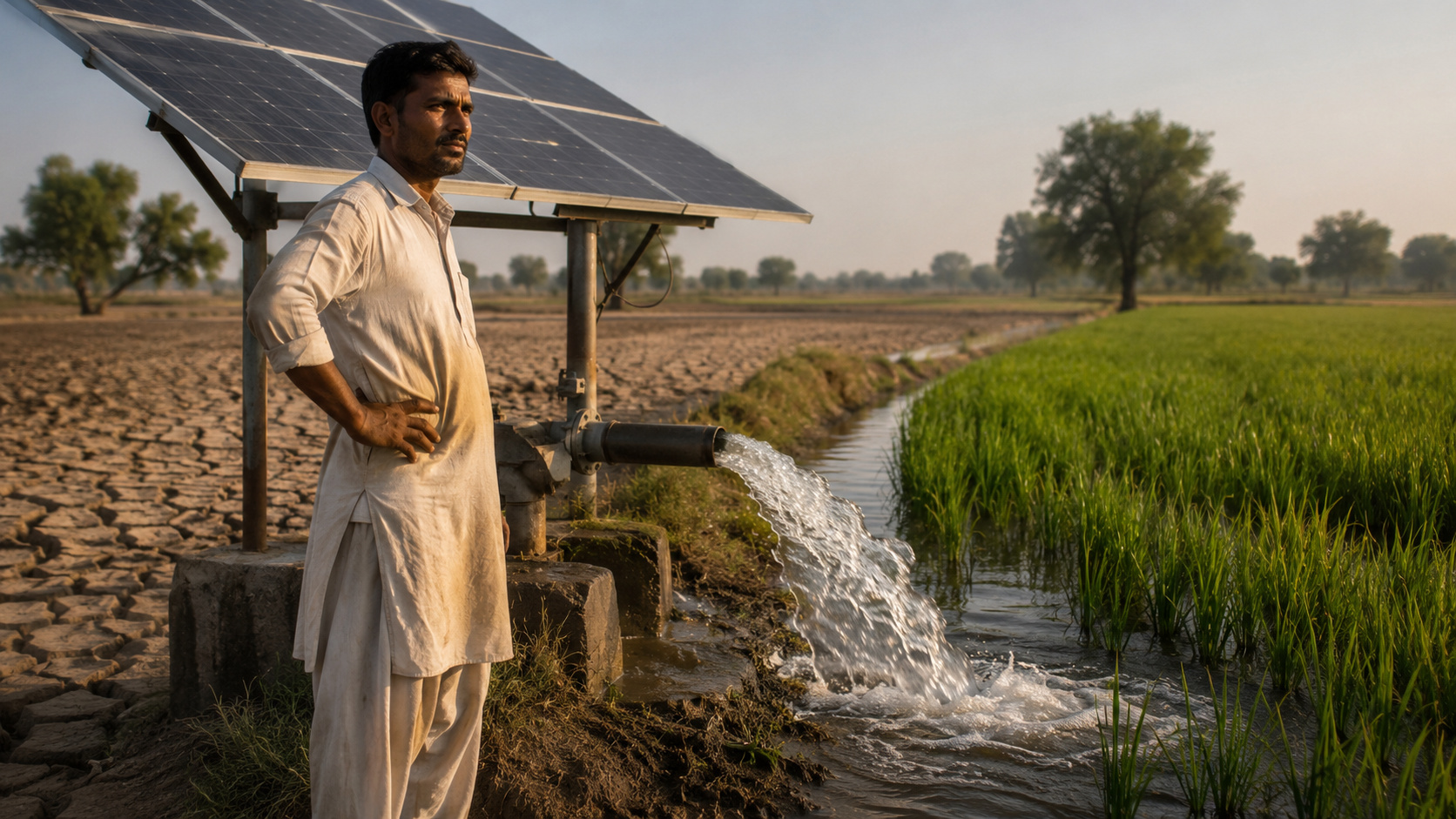
He cited Spain and Pakistan as examples of countries with greater renewable energy capacity that managed to cushion some of the most severe effects of rising fossil fuel prices.
The assessment is that many governments are accelerating their plans to restore national security, economic stability, competitiveness, political autonomy, and basic sovereignty in the face of the new energy scenario.
Major economies accelerate the transition
Stiell also highlighted that major economies have placed energy transition at the center of their strategies. China, India, Indonesia, South Korea, Germany, the United Kingdom, and other countries were cited.
The leader stated that these nations have made it clear that advancing the transition is an essential part of energy security.
For him, this is a decisive moment to accelerate a truly global change.
Warning to governments and on financing
Despite the progress, Stiell issued a direct warning to governments. They must avoid prolonged attachment to fossil fuels while responding to the current crisis.
Among the measures highlighted, he advocated breaking the link between electricity prices and fossil fuels, so that renewables can reduce energy bills.
Financing was treated as a central point. Many developing countries want to adopt clean energy but face obstacles such as lack of financing and debt crises.
Stiell stated that resources need to flow quickly to enable these countries to advance in the energy transition and participate in the global growth of renewable energies.
With information from CNN.







Be the first to react!