Portuguese
  Spanish


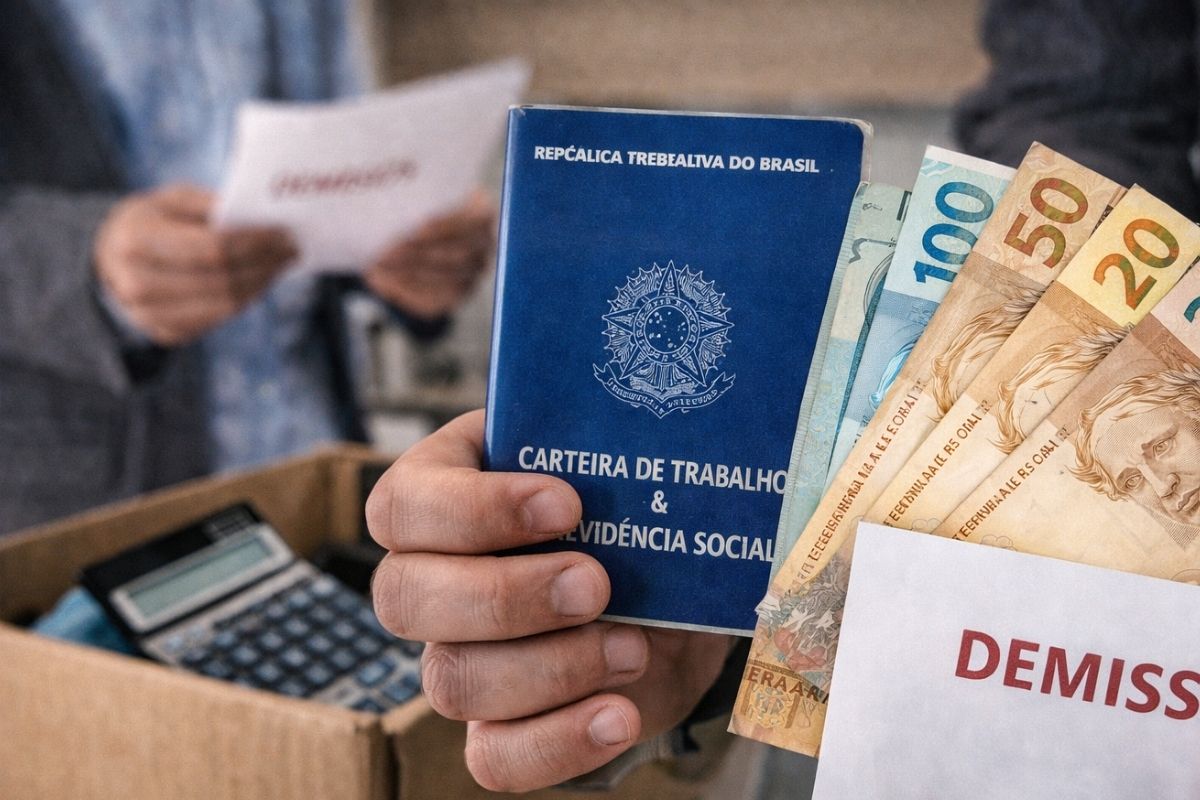

With the Update of Unemployment Insurance in January 2026, the INPC of 2025 (3.9%) Adjusts the Table, Raises the Ceiling to R$ 2,518.65, Increases the Minimum to R$ 1,621, Redefines Calculation Ranges by Salary Average, and Keeps Application on the Employ Brazil Portal with Deadlines of 7 to 120 Days.
Throughout Brazil, unemployment insurance came into effect in January 2026 with a new calculation table after a 3.9% adjustment linked to the INPC of 2025, changing minimum values, maximum limits, and the ranges used to convert average salary into a benefit installment.
The update directly affects the ceiling of unemployment insurance, which is now limited to R$ 2,518.65, and also raises the minimum to R$ 1,621, with immediate effect for requests made on the Employ Brazil Portal and for those who are already receiving within the current period.
What Changes in Unemployment Insurance as of January 2026
The first significant change nationwide in January 2026 appears in the benefit limits.
-
Brazil’s Imigrantes Highway Celebrates 50 Years with Plans for Major Expansion, Including a 6 km Tunnel and Third Lane to Ease Traffic to São Paulo’s Coast

-
Brazilian Job Market Surprises: Unemployment Falls to 5.6%, Hits Record Low for May, Brazilian Incomes Rise, and Underemployment Reaches Lowest Level Ever Recorded by IBGE

-
Chinese E-commerce Giant Predicts Robots Will Replace 700,000 Delivery Workers as Autonomous Vehicles Expand to 200 Cities, Offering Training for Workers to Maintain Their Machines

-
Trump warns Europe with 100% tariff threat on digital tax, potentially impacting wine and trade agreements


The ceiling has been adjusted from R$ 2,424.11 to R$ 2,518.65, a difference of R$ 94.54. The minimum amount increases from R$ 1,518 to R$ 1,621, an advancement of R$ 103 in the minimum of unemployment insurance.
In practice, these two limits function as calculation rails.
The minimum prevents the unemployment insurance from dropping below R$ 1,621 in January 2026, while the ceiling holds the maximum value at R$ 2,518.65, even when the worker’s average salary is higher.
New Ranges and Calculation Formula for Unemployment Insurance
The unemployment insurance continues to be calculated based on the average of the last three salaries, but with updated ranges after the adjustment by the INPC.
In January 2026, the table is organized into three blocks, each with a different rule:
Average salary up to R$ 2,222.17: the unemployment insurance pays 80% of the average or the minimum, whichever is higher.
Average salary from R$ 2,222.18 to R$ 3,703.99: the unemployment insurance is R$ 1,777.74 plus 50% of the amount exceeding R$ 2,222.17.
Average salary above R$ 3,703.99: the amount becomes a fixed installment at the ceiling of R$ 2,518.65.
There is a technical detail that helps to understand why the table fits without a “steep” drop: 80% of R$ 2,222.17 results in R$ 1,777.74 when rounded to cents, exactly the base amount used in the second range of unemployment insurance in January 2026.
Another direct consequence of the minimum is mathematical: since the minimum is R$ 1,621, any average salary where 80% is below that tends to be adjusted to the minimum.
The point at which 80% equals R$ 1,621 occurs around an average of R$ 2,026.25.
Below this threshold, the minimum tends to prevail in unemployment insurance.
Calculation Simulations with the Ranges of January 2026
To make the calculation of unemployment insurance more concrete, you can apply the ranges with rounded values to cents, respecting the ceiling and the minimum of January 2026:
Average of R$ 2,000.00: 80% would be R$ 1,600.00, so the unemployment insurance rises to the minimum of R$ 1,621.
Average of R$ 2,100.00: 80% would be R$ 1,680.00, above the minimum, so the unemployment insurance remains at R$ 1,680.00.
Average of R$ 3,000.00: exceeding R$ 777.83, half R$ 388.92, added to R$ 1,777.74, total R$ 2,166.66.
Average of R$ 5,000.00: the calculation hits the ceiling and the unemployment insurance stands at R$ 2,518.65.
This layout explains why the ceiling is decisive: above R$ 3,703.99 in average, the benefit does not increase because the third range fixes the unemployment insurance at the limit of January 2026.
Who Can Request Unemployment Insurance and What Can Block the Right
The eligibility criteria remain focused on the worker’s condition at the time of application.
Unemployment insurance is directed to those who were dismissed without cause and are unemployed upon requesting.
In addition, there are requirements that can prevent payment:
not having sufficient income to support the family;
not receiving another continuous benefit, except for death pension or accident assistance.
Even with the adjustment of the INPC, change of range, and increase in the ceiling, unemployment insurance depends on fitting into these conditions.
Where to Apply and What Deadlines Apply on the Employ Brazil Portal
The request for unemployment insurance is made through the Employ Brazil Portal, with deadlines counted from the dismissal.
In January 2026, the table is already in effect, so the date of application and the deadline within the window are even more relevant.
The reported deadlines are:
formal workers: from the 7th to the 120th day after dismissal;
domestic workers: from the 7th to the 90th day after dismissal.
Organizing the request on the Employ Brazil Portal within these windows avoids missing deadlines and keeps the processing under the current rule of unemployment insurance in January 2026.
With the new ceiling and the adjusted minimum, the safest step is to calculate the average of the last three salaries, identify the correct range of unemployment insurance, and formalize the request on the Employ Brazil Portal within the applicable deadline, already considering the rules of January 2026 and the adjustment of the INPC.
Do you think the new ceiling of unemployment insurance in January 2026 really reflects the cost of living measured by the INPC, or is it still insufficient for those who have been laid off?