






 Portuguese
  Spanish


Norwegian Technology Converts CO2 into High-Purity Biomethane, Reduces Air Pollution, Recycles Industrial Waste, and Strengthens the Sustainable Global Energy Transition
In recent years, air pollution has taken a central role in global discussions. This is due to the significant increase in harmful substances, mainly resulting from the burning of fossil fuels and industrial waste.
These microparticles affect human health, attack the respiratory tract, and also impact entire ecosystems.
This problem has been accumulating since the beginning of the 21st century, requiring quick and effective alternatives.
-
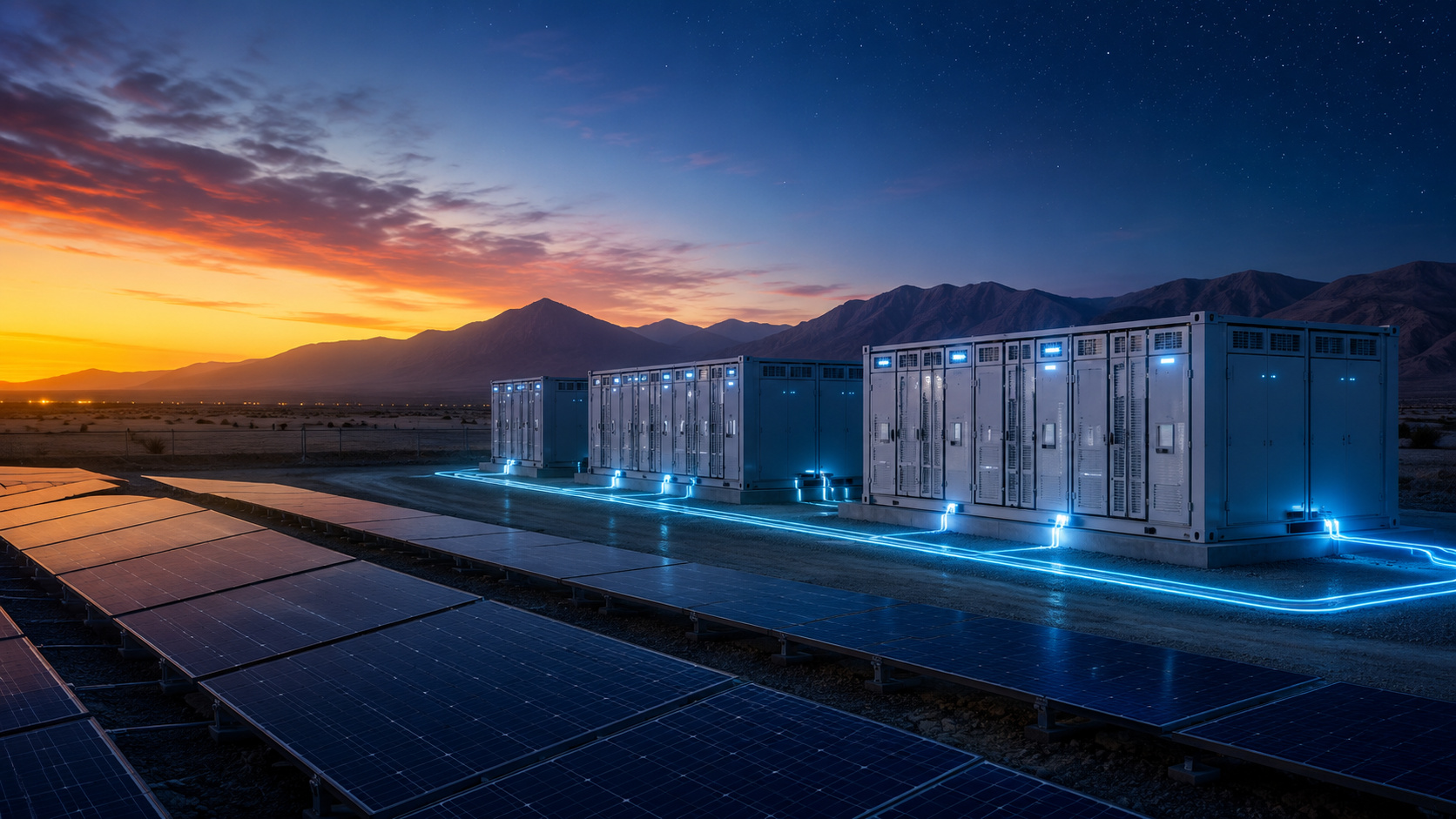
Giant Batteries Take Center Stage in Chile Auction as Company Offers 960 GWh of Solar Energy for Nighttime Use, Aiming to Stabilize Solar Power Supply

-
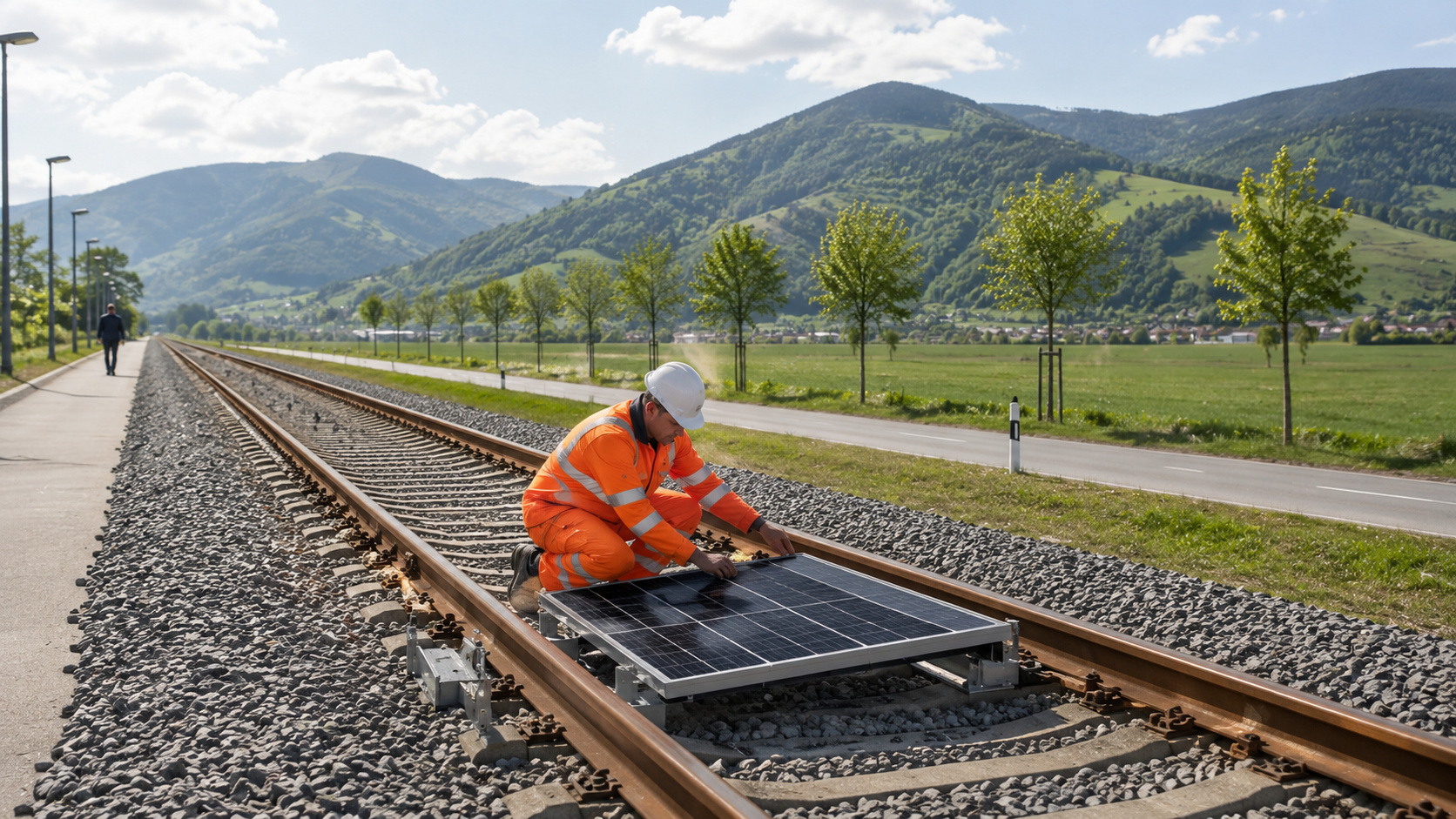
After a Year of Success in Switzerland, Solar Railway Attracts Italy’s Interest for Clean Energy Transformation
-
Robots Clean Solar Panels in Desert Power Plants Without Water, Preventing Energy Losses
-
Brazil’s Offshore Wind Energy Potential Worth $1 Trillion Stalled by Long-Delayed Agreement



Conversion of CO2 into Biomethane
In Norway, researchers have developed an innovative method to transform CO2 into biomethane. This process occurs in reactors that operate without oxygen, in conditions known as anaerobic.
With the support of mobile and fixed beds, microorganisms can group stably, ensuring the continuity of conversion over long periods. Furthermore, the addition of specific bacteria enhances the results.
The highlight of this system is the final quality of the biomethane. The product achieves a purity greater than 96% and remains free from contamination by toxic gases.
This point is relevant because conventional digesters often exhibit failures in this aspect.
Therefore, Norwegian technology stands out by guaranteeing greater safety and efficiency.
Advantages for the Energy Transition
The advantages of this method are broad. Firstly, it allows for the recycling of industrial waste, including complex plastics and sludges, which would normally have a polluting destination.
In addition, it enables the capture and reuse of CO2 from large industries, such as cement factories and waste treatment plants. This significantly reduces air pollution.
Another benefit is the decentralization of energy production. The biomethane generated can be used in regions with limited access to energy resources, enhancing inclusion in renewable energy supply.
Global Impacts
The impact of this innovation goes beyond pollutant reduction. Norway shows that it is possible to align sustainability and energy efficiency in a single solution.
By transforming CO2 into a clean energy source, the technology paves the way to mitigate the effects of climate change.
Moreover, it offers a viable alternative to ensure a more sustainable future, balancing development and environmental preservation.
With information from O Antagonista.







