Portuguese
  Spanish


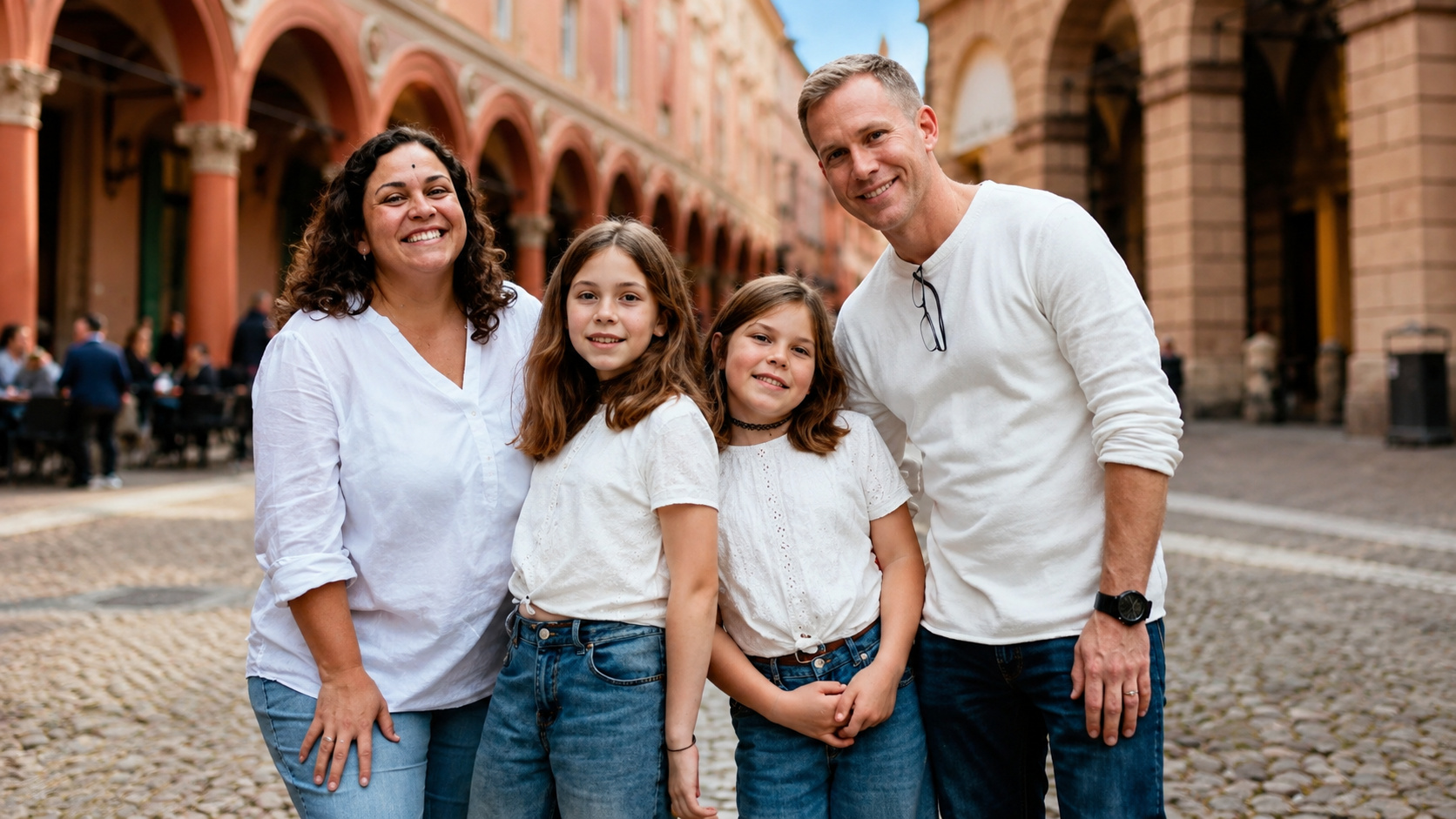

The pursuit of balance between career and personal life has led many professionals abroad. The work model in Norway stands out by offering a social infrastructure that prioritizes families. According to an article published by Exame on July 5, 2026, this reality ensures an excellent quality of life for immigrants who decide to live in Norway.
In the Nordic region, productivity goes hand in hand with the appreciation of free time. Data from Eurostat indicates that Finland has one of the shortest workweeks in the European Union, with 35.6 hours. Norway presents even more impressive figures: the OECD points out that only 1% of employees work excessively long hours. For those who wish to live in Norway, the scenario is promising.
The impact of reduced working hours for Brazilians in Norway
The transition to the Scandinavian market has a profound impact on daily life. For Brazilians in Norway, the routine gains a rhythm focused on efficiency. The flexibility of working hours is seen as a cultural right consolidated by local laws. Thus, daily life and work in Norway become much more balanced.
-
Neymar’s New Yacht Features Helipad, 800m² Space, and Six Suites After Rare Conversion, Set to Appear Off Brazil’s Coast

-
Psychologist in Brazil’s Acre Calls Alligator by Name, Shares Unlikely Bond Story

-
Baby born healthy after being frozen as an embryo for 31 years, showcasing the reach of scientific advancements
-
29-Year-Old Bodybuilder with Cerebral Palsy Wins Championship, Redefining Competitive Limits and Promoting Inclusion


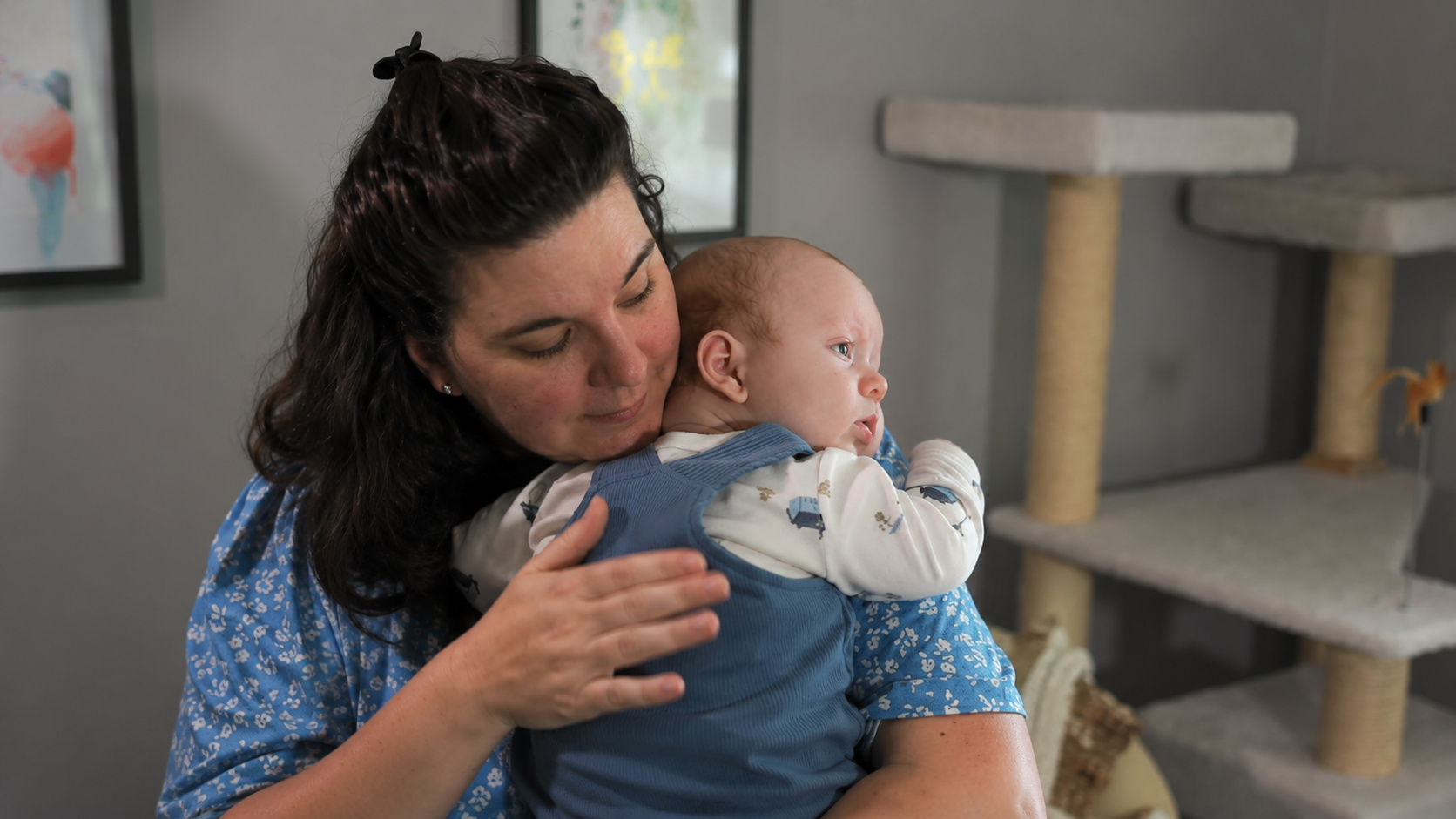

Understanding the functioning of the local work schedule is essential for those planning the move. Finishing activities earlier allows people to enjoy the afternoon with their children or in leisure activities, changing the metric of personal success.


The free afternoon and the culture of community volunteering
In the country’s offices, it is perfectly normal for tasks to be completed between 3 PM and 4 PM. This reality transformed the life of administrative agent Camilla Wirtti, now 41 years old. She arrived in the city of Stavanger in 2007, right after graduating, planning to stay only one year to learn the language. Nineteen years later, she remains in the country, married with children.
Camilla reports that leaving around 3 PM positively reorganizes the family dynamics. This time allows her to pick up the children from school and participate in dugnads, which are traditional volunteer work parties organized by local associations and schools. The social mechanism directly depends on this parental support.
An internal structure focused on well-being
The work model in Norway and labor relations show that employment is just a part of life, not its entirety. The country’s rules are designed so that productivity does not mean sacrificing family time.
The solid network of government assistance is another factor that boosts the quality of life. The social support includes the following advantages for parents:
- Long-term leave with 80% of earnings: Option to take leave for about 14 months receiving most of the salary.
- Full leave for one year: Choice of 12 months of parental leave with 100% remuneration.
- Mandatory male quotas: Part of the period must be taken by the other parent, which shares the care burden and protects the mother in the market.
This whole mechanism is supported by unions, which negotiate salaries and provide legal stability, generating a strong sense of security.
Between public safety and the challenges of harsh winter
Safety is the first cultural shock for those who decide to live in Norway. Executive Raquel Fernandes Batista Araújo, 46, moved to Sandefjord, near Oslo, in 2020. The move happened when her husband was expatriated during the pandemic. She soon noticed the social gap compared to Brazil upon noticing the tranquility in the streets.
Raquel was impressed to see people leaving valuable belongings unattended on trains and babies sleeping in strollers outside cafes, something common for the health of local children. However, the prolonged winter brings real difficulties, such as having to clear almost a meter of snow from the house entrance before starting the daily workday.
Building connections in the market and valuing national talent
Securing a professional position is far from a simple task. Raquel, who serves as global vice president of communication and marketing at Scatec, recalls that the beginning requires resilience. The local market is very closed: about 80% of positions are filled through referrals, making networking indispensable. Brazilians in Norway need to be patient to build this network of contacts.
On the other hand, the characteristics of professionals born in Brazil are significant competitive advantages. The market values specific skills, such as:
- Applied creativity: Ability to see solutions beyond the obvious.
- Quick problem-solving: Agility to handle unforeseen events under pressure.
- Technical adaptability: Ease of transitioning to new demands, such as the energy transition sector.

Cultural barriers and integration for living in Norway
Social adaptation is the true turning point. Norwegians tend to be more reserved at first, which can be strange for those who miss the Brazilian warmth. To mitigate the impact, it is necessary to deeply understand the culture and learn the local language.
Once the initial shyness is overcome, the bonds formed tend to last a lifetime. Camilla points out that the secret to integrating is to stop comparing things with Brazil. Even with homesickness and the challenges of adapting to the food, the daily benefits translate into solid quality of life.
The sacred time after the end of daily obligations
The organization of the day shows that a shorter workday does not harm company results. As daycares close early, around 4:30 PM, offices end the workday in a unified manner. This forces society to stop and prioritize personal life.
This structure ensures that mental health and career go hand in hand. Professional success has been completely redefined for immigrants. Work in Norway rewards daily effort with predictability, respect, and human dignity.
The legacy of the Nordic experience in the family future
For those planning to move and start living in Norway, prior preparation should focus on language study and financial planning. Understanding the rules of the Scandinavian market helps accelerate professional integration and avoids frustrations in the first few months.
Although they consider spending seasons in Brazil for their children to experience their cultural origins, the professionals emphasize that the advantages outweigh the distance. International experience teaches that success does not depend on spending long hours in the office, but rather on having time to live.
The new meaning of success and the search for the ideal balance
The journey of immigrants in Nordic lands confirms that an ethical corporate environment generates collective well-being. Measures such as ending the workday in the mid-afternoon and the 14 months of parental support are efficient tools for social protection and equality. Therefore, planning to live in Norway opens the doors to a profound change in mindset.
Although cultural isolation and the cold require resilience, the gains in mental health show that it is worth it to live in Norway. Real productivity does not require sacrificing family time, proving that life should continue with quality after the clock strikes quitting time.