Portuguese
  Spanish


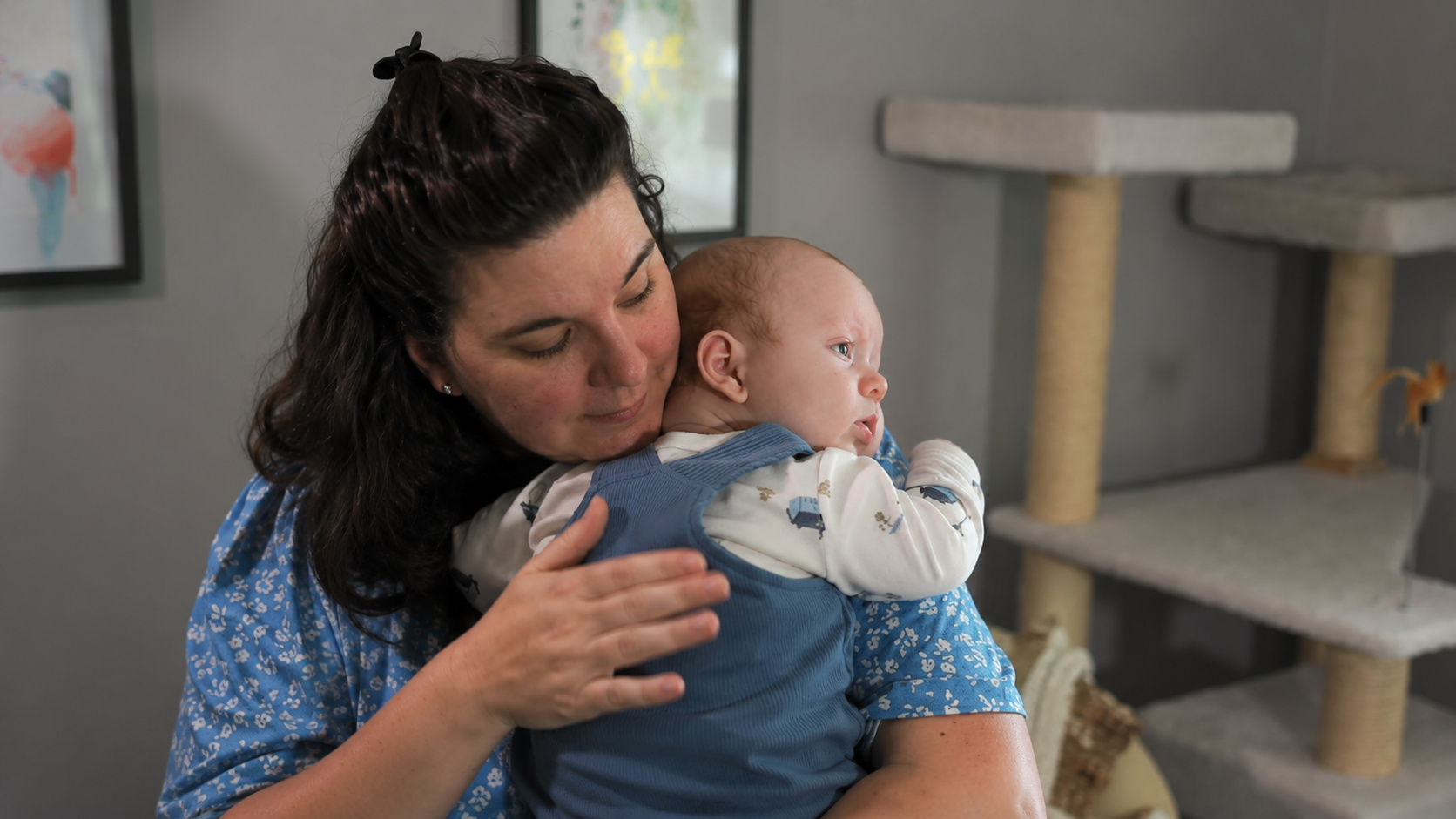

Thaddeus Daniel Pierce was born in Ohio after an embryo created in 1994 was thawed, implanted, and carried to gestation by Lindsey Pierce
Thaddeus Daniel Pierce seemed just like another healthy baby of a few months. However, his story entered the Guinness World Records for an extraordinary reason: he was born from an embryo frozen for 31 years and 56 days, a record recognized after his birth on July 26, 2025, in London, Ohio, USA.
The embryo was created in 1994, through in vitro fertilization, when Lindsey Pierce was only 5 years old and Tim Pierce was 3. Decades later, the couple received the embryo through adoption, in a process that combined reproductive medicine, cryopreservation, and an unusual family decision.
Embryo frozen since 1994 spent more than three decades in liquid nitrogen
During all these years, the embryo remained stored in a tank of liquid nitrogen, at a temperature close to negative 200 °C.
-
29-Year-Old Bodybuilder with Cerebral Palsy Wins Championship, Redefining Competitive Limits and Promoting Inclusion

-
Boy with Water Allergy Receives Expensive Medication and Fulfills Dream of Seeing the Ocean for the First Time
-
Google Earth Uncovers 260 Mysterious Stone Structures in Sudan’s Atbai Desert, Sparking Archaeological Investigation into Ancient Nomadic Power Dynamics
-
65-year-old man lived in Arizona forest for 8 years, built illegal campsite, and accumulated half a ton of trash before being discovered by U.S. Forest Service agents





According to embryologist Sarah Atkinson, embryos in this condition are “frozen in time.” Therefore, they do not age, grow, or undergo cellular development while preserved.
The case gained even more attention because the technology used in the 1990s was different from today. At that time, freezing occurred gradually. Thus, there was a risk of ice crystal formation, which could damage the cells during thawing.


Open adoption allowed the baby to be gestated by another family
Thaddeus is the biological son of Linda Archerd and her ex-husband. The same in vitro fertilization that originated the embryo also gave rise to their daughter Amanda, now an adult.
After the divorce, Linda retained custody of the embryos. Even so, she never completely abandoned the desire to see them born. Therefore, she agreed to donate them only in an open adoption model, in which the biological family can meet the adoptive parents.
Lindsey and Tim found this path while researching traditional adoption. Soon after, they saw in embryo adoption the chance to gestate and give birth to a child.
Embryo transfer lasted only a few minutes, but required high precision
The implantation procedure was considered simple and lasted about 10 minutes. Even so, the previous step required extreme care.
The embryo needed to be removed from the tank, warmed in a water bath at body temperature, and monitored until it showed developmental conditions. After that, it was transferred to Lindsey’s uterus.
Two weeks after the procedure, she received confirmation of the pregnancy. The result turned the case into a rare milestone in assisted reproduction.

Case reignites debate on frozen embryos in the United States
The birth of Thaddeus also brought back a delicate discussion. According to information cited by the Associated Press, the United States still has about 1.5 million frozen embryos.
Many couples create more embryos to increase the chances of pregnancy. Then, they face difficult decisions about keeping, donating, or discarding this material.
For Lindsey and Tim, the goal was never to break records. The intention was to form a family. For Linda, the birth represented the continuation of a story started in a laboratory three decades earlier.
Thaddeus, finally, became a symbol of how in vitro fertilization, cryopreservation, and embryo adoption can span generations and transform a 31-year wait into birth.