Portuguese
  Spanish


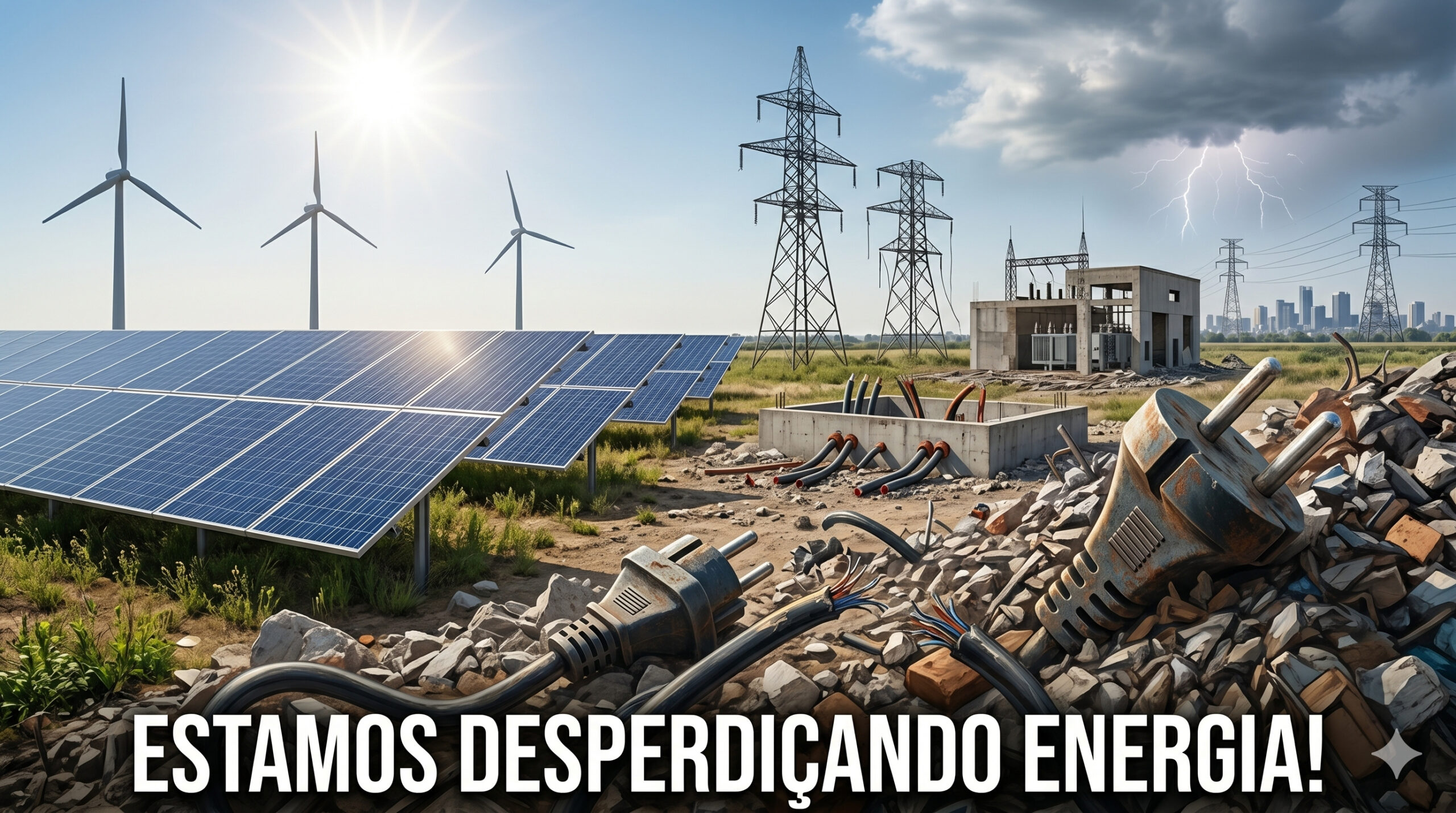

Solar and wind plants are shut down in Brazil due to lack of grid, causing losses of up to 25% and leading companies to cut jobs and investments.
On April 28, 2026, the National Electric Energy Agency opened a public consultation to discuss the fate of surplus credits from distributed generation in Brazil, placing at the center of the debate the impacts of the rapid advancement of solar energy on electricity bills and the functioning of the electrical system. This movement occurs in parallel with a broader and quieter problem: while renewable generation is growing in the country, part of this energy is being cut due to limitations in the transmission grid, forcing solar and wind plants to reduce or interrupt production even under favorable conditions.
The phenomenon is known in the sector as “curtailment,” or generation cut, and indicates that the energy exists but cannot be transmitted to consumption centers. The result is a scenario that contradicts the basic logic of the energy transition: the country generates clean energy but cannot use it fully.
However, energy consumption is more concentrated in regions like the Southeast and South.
-
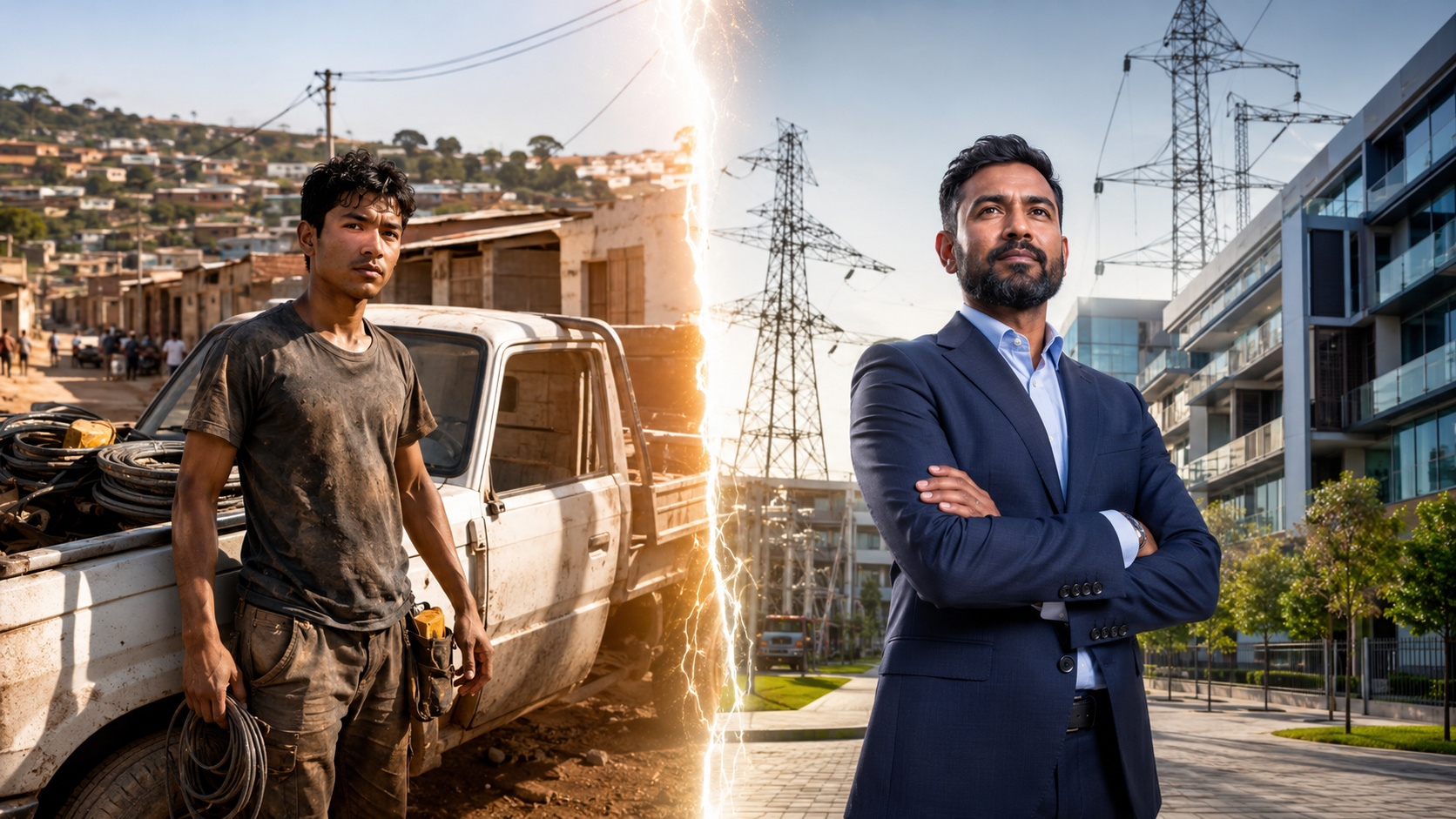
Fired during apartheid and with a little borrowed money, an electrician started with a borrowed truck and transformed electrical services into a group connected to energy, real estate, and infrastructure in South Africa.

-
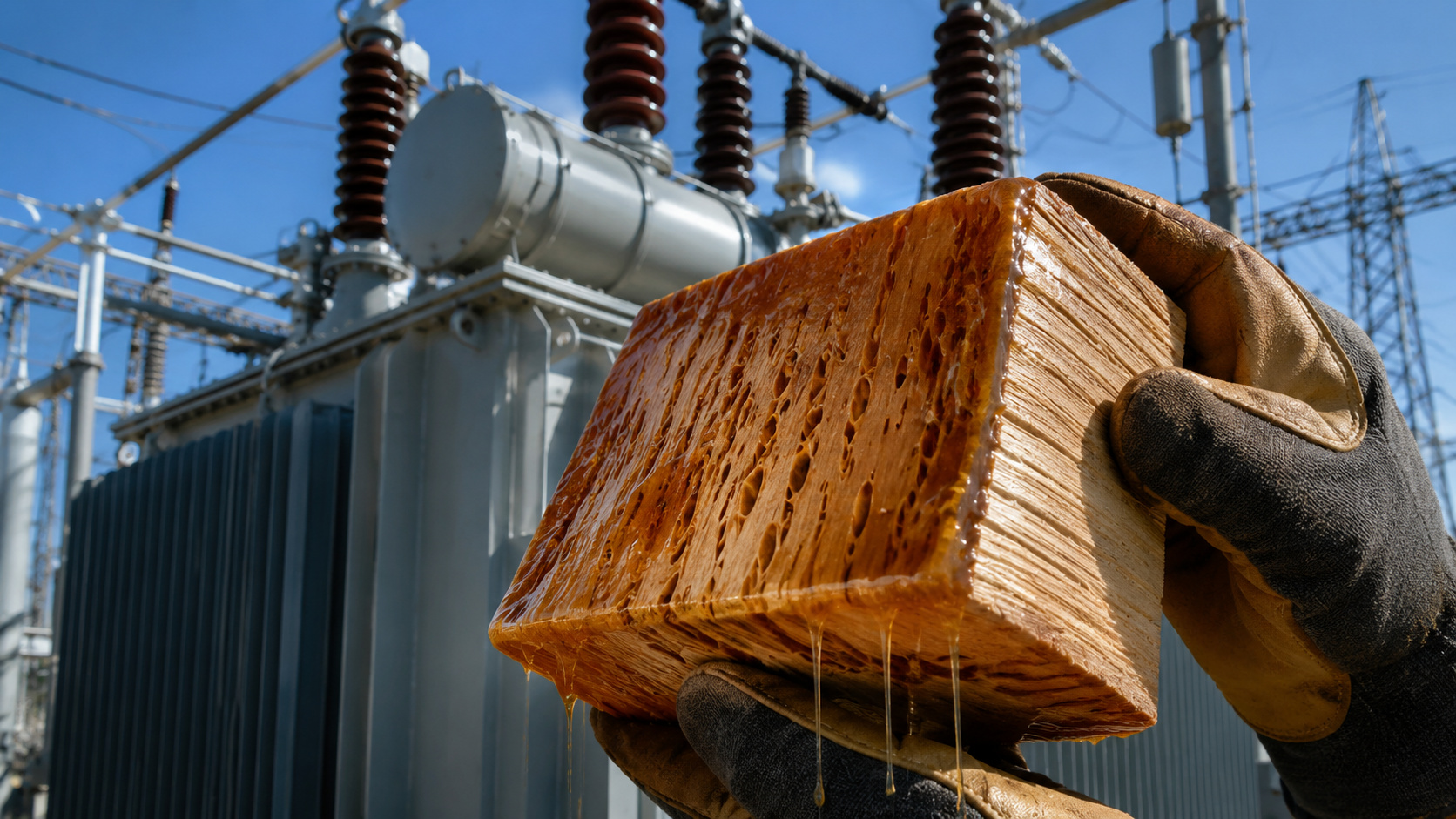
Wood has ceased to be just a construction material in Yale research and has become insulation for electrical transformers that face intense heat, aging, and increasing pressure from the renewable energy-powered grid.
-
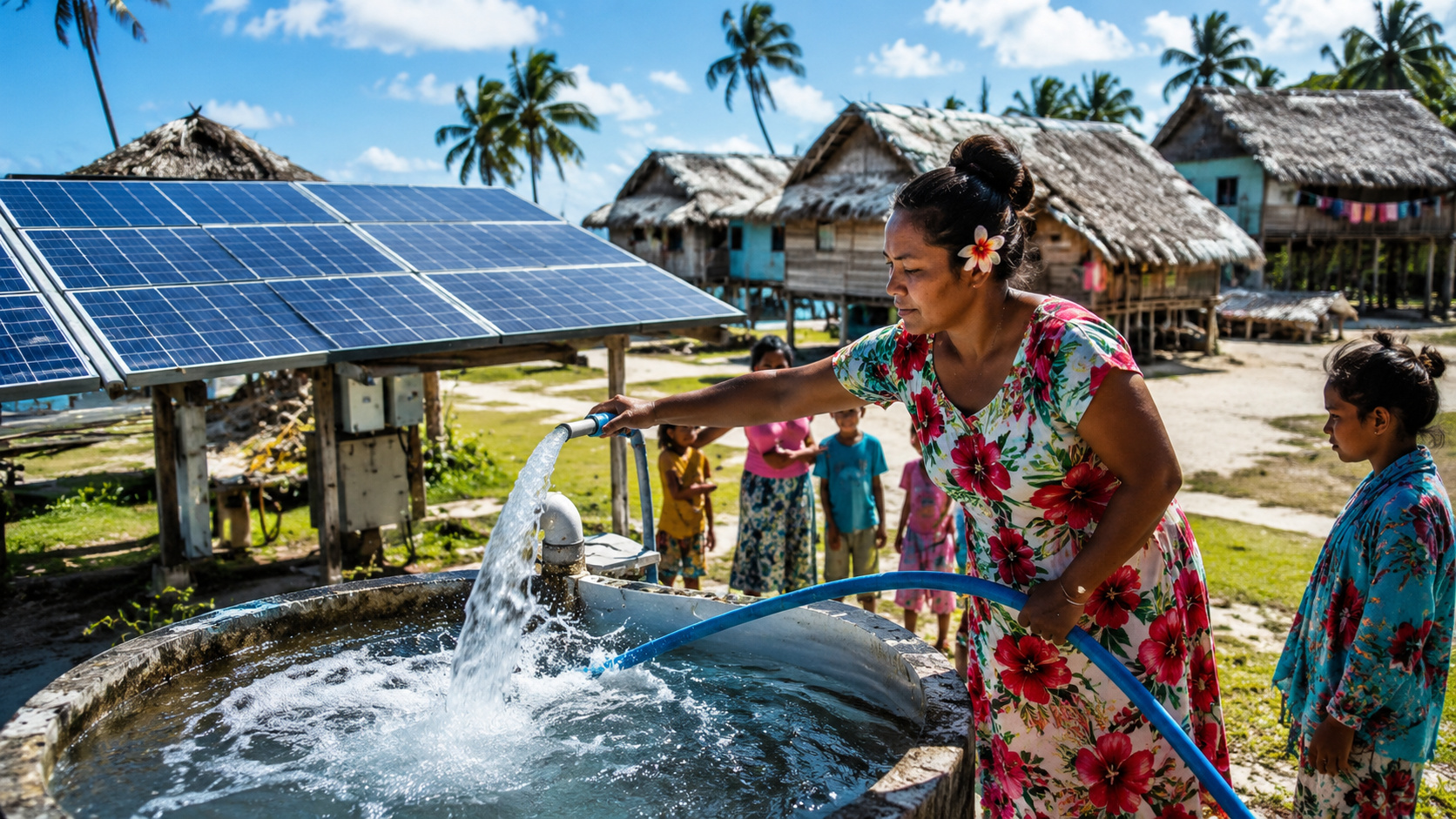
More than 1,000 residents of a remote island in Kiribati now have clean water and electricity with solar systems operated by the community itself.
-
Ceará brings together 7 giants and R$ 66 billion to transform Pecém into the largest green hydrogen hub in Brazil, with final decisions expected by the end of 2026.

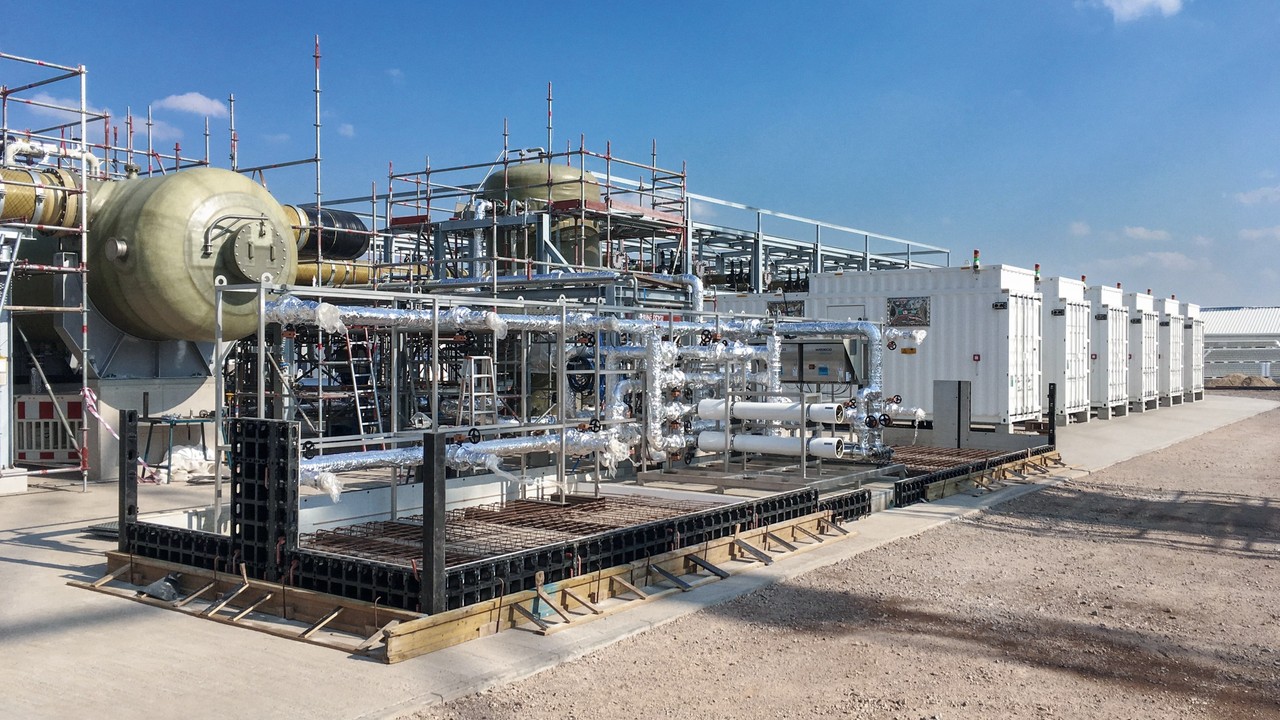
This mismatch between where energy is generated and where it is consumed requires a robust transmission network, capable of transporting large volumes over long distances. When this infrastructure does not keep up with the growth of generation, the system needs to limit production to avoid overload.
Companies report losses of up to 25% of revenue due to restrictions
According to Reuters, companies in the sector have begun to feel significant financial impacts. Some plants reported revenue losses that can reach 25%, a direct result of the inability to sell all the energy produced.


This type of loss directly affects the economic viability of projects, especially those financed based on projections of continuous generation. The problem is not limited to a specific company but affects different players in the sector.
Companies reduce operations, cut jobs, and pause investments
In this scenario, renewable energy companies have started to adopt containment measures. Reported actions include reducing operations, cutting jobs, and suspending new investments.
Companies like Atlas Renewable Energy, Voltalia, and Newave Energia confirmed adjustments in their activities in Brazil.
The halt of new projects indicates an impact that goes beyond the short term, affecting the pace of clean energy expansion in the country.
Regulatory uncertainty increases risk for new renewable energy projects
In addition to the physical bottleneck in transmission, the sector faces regulatory uncertainties. One of the main points of debate is financial compensation for losses caused by curtailment.
Companies argue that they need greater predictability to justify new investments. The absence of clear rules on compensation increases the perceived risk, making the environment less attractive for private capital.
The accelerated growth of renewable energies in Brazil occurred at a faster pace than the expansion of the transmission grid. This created a structural imbalance.
For the generated energy to be fully utilized, it is necessary to invest simultaneously in generation and transmission, ensuring that the system operates in an integrated manner. This type of planning requires coordination between the government, regulators, and companies.
Curtailment exposes physical limits of a system in transformation
The generation cut is not a phenomenon exclusive to Brazil, but its occurrence on a large scale draws attention.
It reveals that the electrical system has physical limits that need to be respected. Even with advanced generation technology, energy needs infrastructure to reach the consumer, and this stage cannot be neglected.
Although the generation cut does not immediately translate into a tariff increase, it can have indirect effects.
Less investment in new projects may reduce the future supply of energy. This can put pressure on prices in the long term, especially if demand continues to grow. Additionally, the waste of clean energy represents a loss of system efficiency as a whole.
Transmission auctions attempt to reduce bottlenecks, but effect takes years
The Brazilian government has been promoting transmission auctions to expand the electrical grid. These projects involve the construction of thousands of kilometers of lines and large investments.

However, the implementation time is long, and the effects are not immediate. This means that the curtailment problem may persist in the short and medium term.
Energy transition faces structural challenge in Brazil
The case highlights one of the main challenges of the energy transition: it is not enough to generate clean energy, it is necessary to ensure its integration into the system.
Uncoordinated expansion can lead to waste, financial losses, and a slowdown in investments. Brazil has significant potential in renewable energy, but faces obstacles in transforming this potential into effectively consumed energy.
The phenomenon of curtailment raises strategic questions for the electricity sector. It affects investments, planning, and market confidence.
The ability to resolve this bottleneck will be decisive for the future of energy in the country, especially in a scenario of increasing demand for clean sources.
If Brazil already needs to shut down solar and wind plants due to lack of grid today, the question that remains is direct: will the country be able to expand its infrastructure in time to prevent clean energy from becoming chronic waste in the coming years?