






 Portuguese
  Spanish


Starlink’s Direct-to-Cell Is Already Operating in Brazil, But Anatel Stalls Regulation and Leaves Users in Limbo
One of the most talked-about advancements in the field of telecommunications in 2025 is the arrival of Starlink’s Direct-to-Cell technology in Brazil. The promise is bold: to allow a simple smartphone, without extra antenna or additional apps, to send messages and share location even in areas with no operator signal. For many Brazilians living or working in remote regions, this sounds like a digital revolution about to happen.
What Is Direct-to-Cell
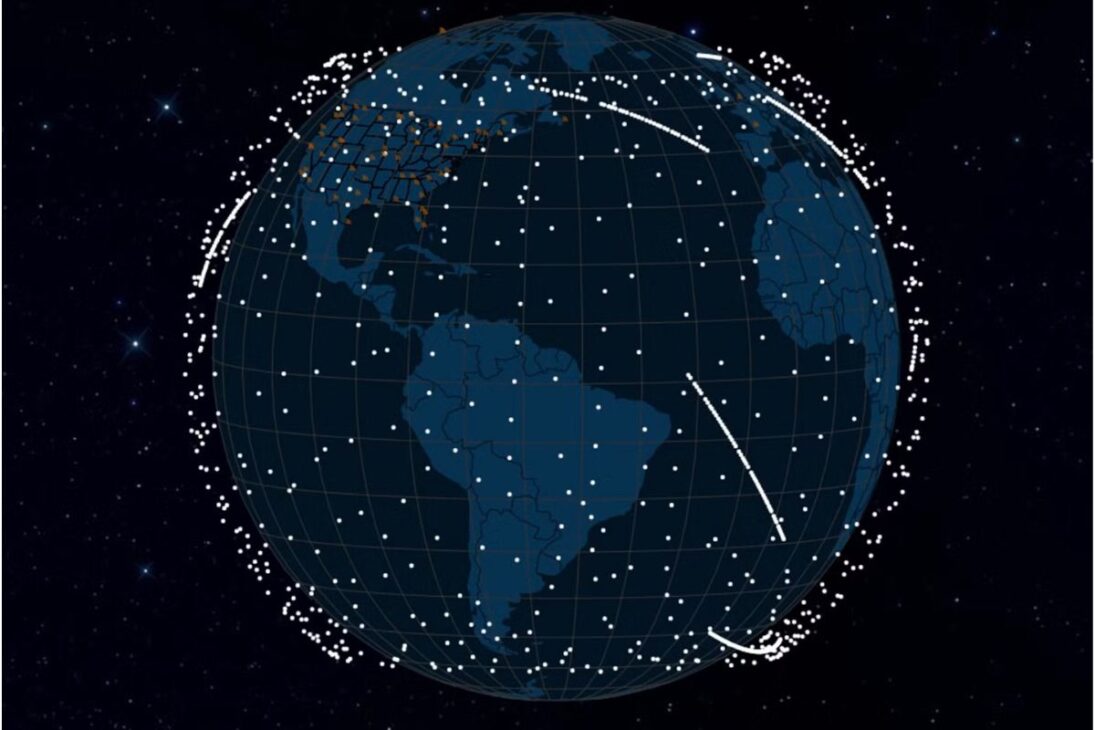
Starlink has developed a low-earth orbit satellite network capable of acting as cell towers in space. In practice, this means that compatible devices — there are already over 50 models, including lines from Apple, Samsung, Motorola, and Google — can connect directly to the company’s constellation. The phone automatically recognizes the network and allows for SMS and location coordinates to be sent, even in places where traditional operators have never provided coverage.
The company’s plan foresees a gradual implementation: text messaging and location sharing are already possible, while data transmission and voice calls are expected in the coming years. The ultimate goal is to ensure full connectivity at any point on the planet, especially in emergency situations.
-
Nigeria Dumps 120 Million Tons of Sand into Atlantic to Build Massive City with 8.4 km Sea Wall for Protection Against Ocean Waves and Erosion

-
German Engineer Developed Diesel Engine Running on Vegetable Oil Decades Before Electric Cars Became Popular; Can This Forgotten Idea Work in 2026?

-
James Webb Telescope Uncovers Unexpected Clues on Mysterious Moon, Potentially Redefining Planetary Origins

-
$1.5 Billion Sleipnir Vessel Transforms Ocean into Floating Construction Site with 12 Hybrid Engines and Capacity to Lift 20,000 Tons



The Brazilian Case
In Brazil, the discussion gained traction as users began reporting the detection of the network on their devices, especially in rural areas of Mato Grosso do Sul. The idea of sending a message or sharing location in dense forests, farms, or isolated roads without needing a conventional signal generated huge repercussions.
However, there is still a regulatory barrier. Anatel has not officially authorized the commercial operation of this modality in the country. Without formal agreements with local operators and without legal approval, the connection remains in limbo: technically feasible, but not officially recognized.
International Comparison
Meanwhile, other countries are already making progress. In Ukraine, local operators conducted successful tests, proving that ordinary cell phones can communicate via satellite without any modifications. The commercial launch is scheduled for the end of 2025. In Chile, partnerships established since 2023 are preparing the ground for the progressive use of the system, starting with messages and evolving to mobile data.
Brazil, therefore, runs the risk of falling behind in a strategic field that can transform digital inclusion and security in remote areas.
Social and Economic Impact
The utility of such a technology goes far beyond convenience. In cases of natural disasters, rescues, military operations, cargo transport, or even in the daily life of the countryside, the ability to communicate directly via satellite can save lives and reduce costs. Farmers, truck drivers, riverine communities, and even tourists in isolated areas would have access to a resource once unimaginable.
Additionally, the model can create opportunities for new rural internet businesses, boost telemedicine in areas without infrastructure, and integrate public safety services in regions where radio is still the only alternative.
What to Expect
The arrival of Direct-to-Cell in Brazil exposes a dilemma: the technology is already ready, but it depends on a political and regulatory decision to become an official reality. The potential for digital inclusion is immense, but the clash between innovation, legislation, and the interests of operators is likely to intensify in the coming months.
Meanwhile, the feeling is that we are on the verge of a silent revolution, already functioning in the background, but still awaiting the green light to fundamentally change the way Brazilians connect.


