






 Portuguese
  Spanish
  3 min of reading
  0 comments


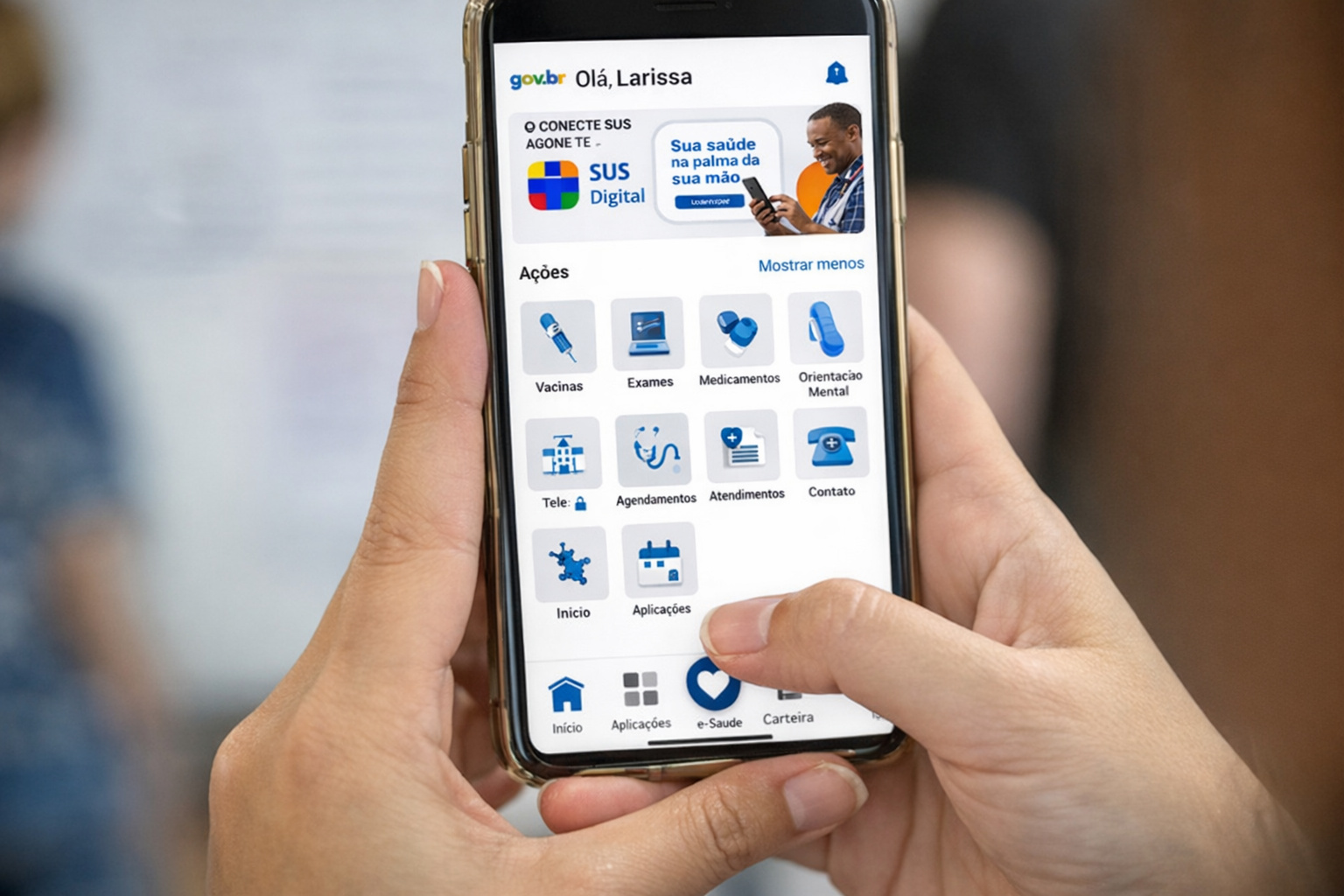
Digital SUS Service Allows Identification of Signs of Dependency on Online Gambling and Refers Users for Specialized Care via Teleconsultation
A new initiative aimed at public health was announced by the Ministry of Health in March 2026, drawing attention to the rise of issues related to online gambling.
The federal government began offering free telehealth services through the Unified Health System (SUS) for individuals facing difficulties related to compulsive behavior in digital games.
The update was integrated into the SUS Digital app, the official platform that centralizes health services and enhances access to remote care.
Thus, the tool allows users to take a self-test to identify potential risk signs related to online gambling addiction.
If the result indicates moderate or high risk, the system itself guides the referral for virtual consultations with specialized professionals.
Digital Self-Test Identifies Signs of Gambling Dependency
The first step to access the service takes place within the SUS Digital app, where the user finds a self-assessment questionnaire.
This self-test was structured to identify behaviors associated with excessive use of gambling platforms, allowing for an initial risk analysis.
Thus, the questionnaire evaluates habits and patterns related to gaming behavior, helping the user recognize possible warning signs.
The result is presented immediately after completing the test and indicates whether the risk is low, moderate, or high.
Therefore, the tool serves as an initial step to guide those seeking support in the public health system.
Referral for Teleconsultation with Specialized Professionals
When the system identifies moderate or high risk, the app guides the user to continue the care.
At this moment, the system directs the patient to virtual consultations with specialized professionals.
Thus, the follow-up occurs through teleconsultation within the digital SUS environment.
Consequently, the user receives professional guidance without the need for immediate travel.
This way, the service enhances access to specialized support.
-
Survivor of 1966 SS Daniel J. Morrell Shipwreck in Lake Huron Recounts 38-Hour Ordeal in Extreme Cold

-
The Greatest Hoax in World Cup History? The Film That Denied Brazil’s 1958 Victory and Exposed How Fake Evidence Can Seem Convincing on TV
-
Fake South Korean Online Stores Offer Shopping Thrill Without Spending Money or Receiving Products
-
The War of Jenkins’ Ear: How a Severed Ear Sparked One of the 18th Century’s Most Unusual Conflicts


Digital Care Expands Access to Support through SUS
With this initiative, the Unified Health System enhances the use of digital tools for remote care.
Through SUS Digital, the ministry facilitates initial access to professional support for individuals facing difficulties related to online gambling.
Additionally, the platform consolidates self-assessment, screening, and referrals for specialized care in a single environment.
In this way, the system allows the user to quickly initiate the care process.
Consequently, remote care reduces barriers to accessing public service.
Public Health Starts to Include Support for Online Gambling Addiction
With the launch of the service, the Ministry of Health expands the support network for issues related to digital gambling.
Thus, SUS begins to offer a structured channel to identify risk signs and guide individuals seeking help.
The strategy combines technology, initial assessment, and specialized teleconsultation, creating an integrated care flow.
By concentrating these stages within SUS Digital, the public system strengthens access to professional support.
In this context, the expansion of digital health services could become one of the main tools to address new behavioral challenges in society?





-

-

-

-

14 people reacted to this.