






 Portuguese
  Spanish
  3 min of reading
  0 comments


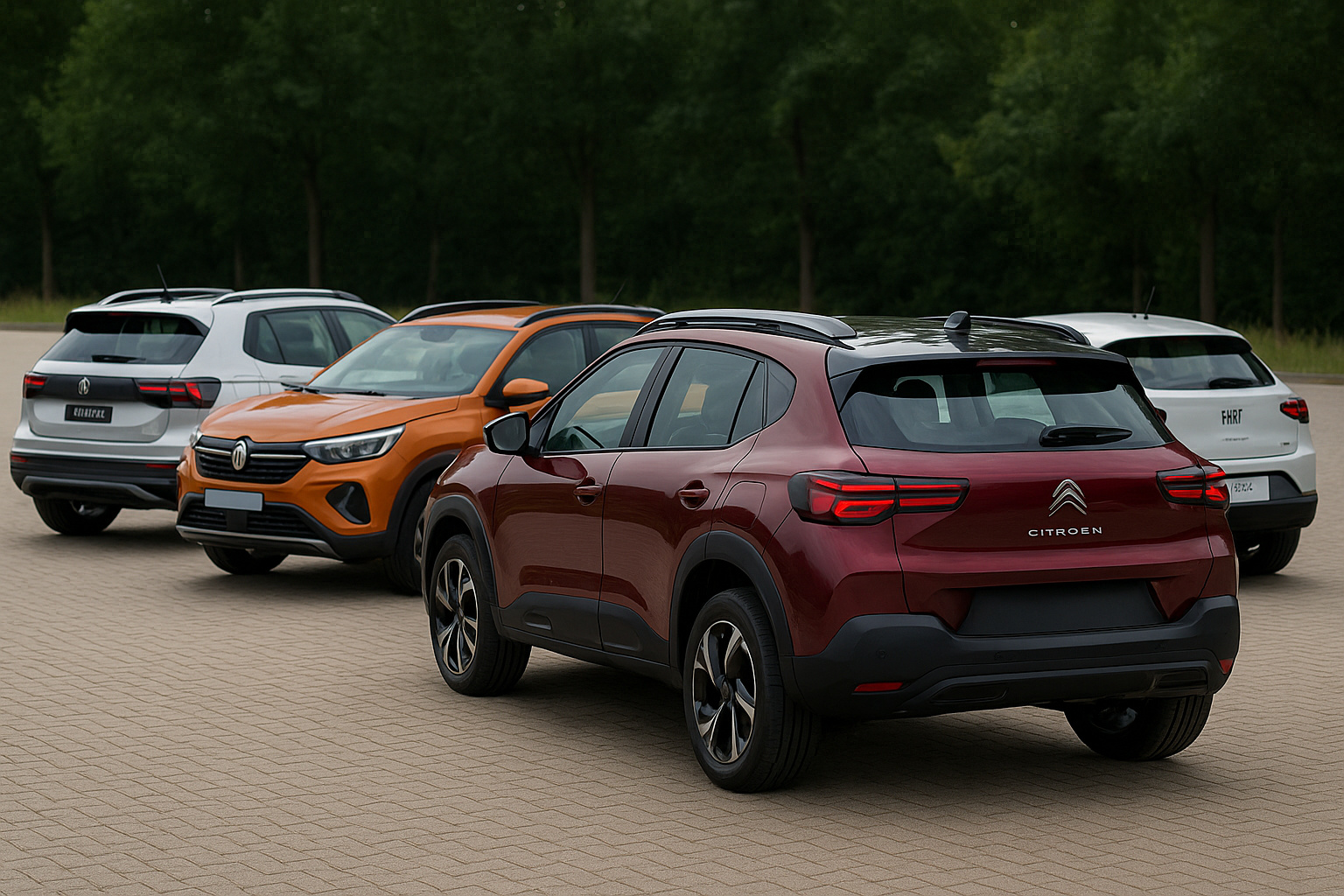
Ranking Reveals Which Models Provide More Interior Space and Challenge the Limits of the Compact Segment
The Brazilian automotive market continues to expand in 2025, with a focus on compact SUVs, which are consolidating as a cost-effective alternative amidst rising prices. Although medium and large SUVs naturally offer more space, the compact ones have been able to surprise with trunks larger than many consumers expect, remaining below the R$ 170,000 price range.
According to data officially released by Fiat, Volkswagen, Renault, Citroën, and Kia until August 2025, some models surpass the barrier of 400 liters of capacity, a fact that is attracting consumers looking for practicality without exceeding their budget.
Cargo Capacity Redefines the Competition Among Compact SUVs
The ranking includes Fiat Pulse, Kia Stonic, Volkswagen Tera, Renault Kardian, Volkswagen Nivus, and Citroën Basalt, all within the price range of R$ 150,000 to R$ 165,000. This group has consolidated as a relevant option in Brazil, combining modern design, interior space, and competitive trunks.
-
Uber Faces Shareholder Scrutiny as Board Accused of Ignoring Safety, Compliance, and Harassment Warnings Amid Over 3,500 U.S. Lawsuits

-
Ferrari’s First Electric Car Divides Fans, Priced at $630,000, Amid Concerns Over Limited Editions; Brand Clarifies It’s Not Just for Future Perks
-
BYD Dolphin Mini: The Electric Car That Defies Depreciation, Losing Only 3.58% in a Year and Becoming the Best-Selling Retail Model Under $22,000

-
Electric Car JAC E-JS4 Loses $19,000 in Value in One Year, Leading Record Depreciation of Used Cars in Brazil Due to Expensive Battery and New Models


Fiat Pulse Secures Presence but Ranks Sixth
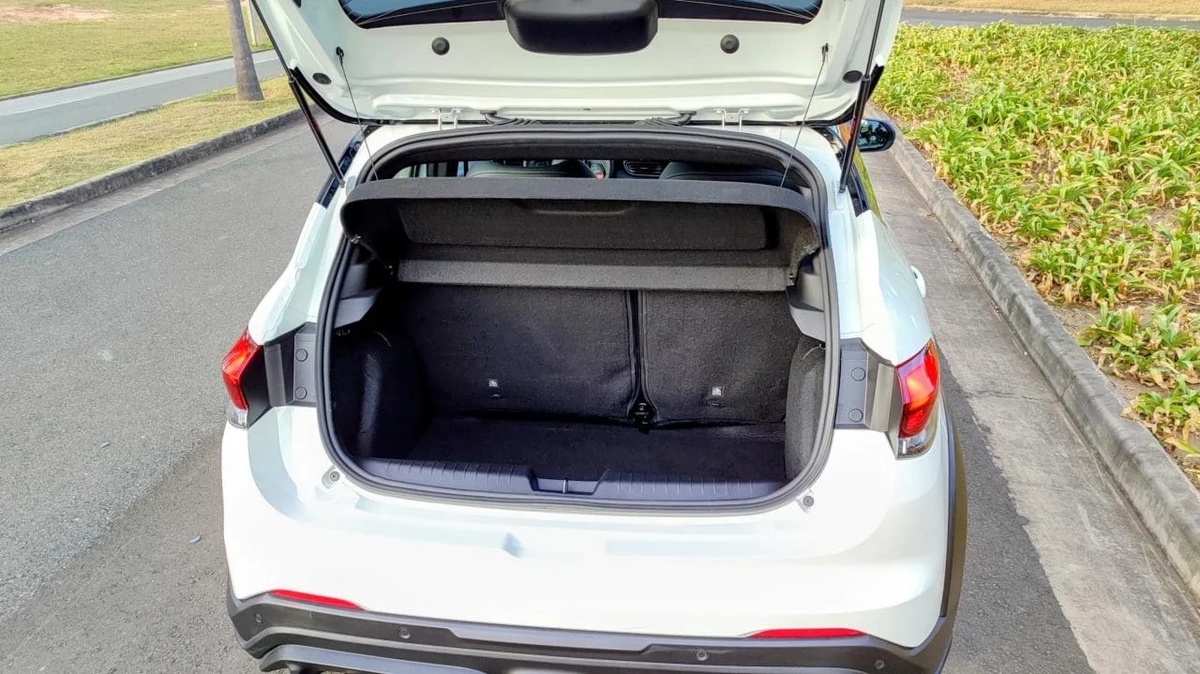
The Fiat Pulse, launched in October 2021, shows 320 liters in the VDA standard, although the manufacturer claims 370 liters with its own methodology.
Even though it does not lead the ranking, the model maintains a good cost-benefit ratio and remains relevant for consumers looking for an affordable and functional compact SUV.
Kia Stonic Takes Fifth Place with Slight Advantage
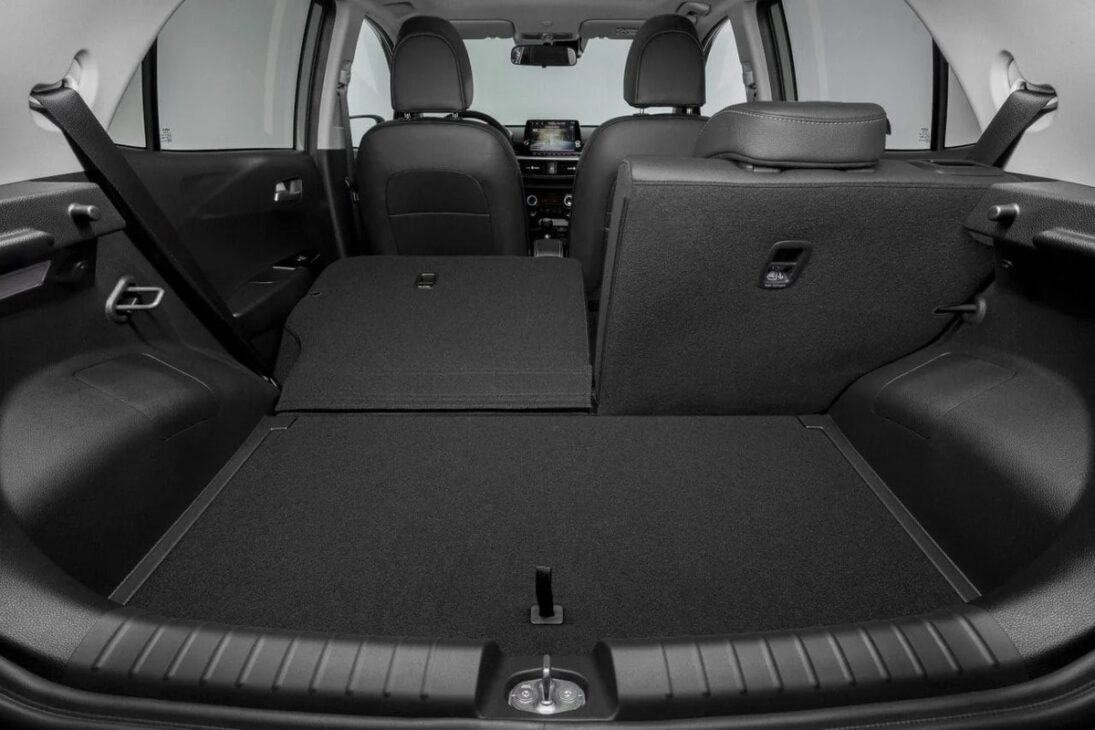
The Kia Stonic, available in the national market since 2022, offers 325 liters of trunk space, just 5 liters more than the Pulse.
Although modest in space, the South Korean SUV bets on mild-hybrid technology and a good equipment package, characteristics that reinforce its competitiveness until 2025, according to Kia Motors.
Volkswagen Tera Stands Out with 350 Liters
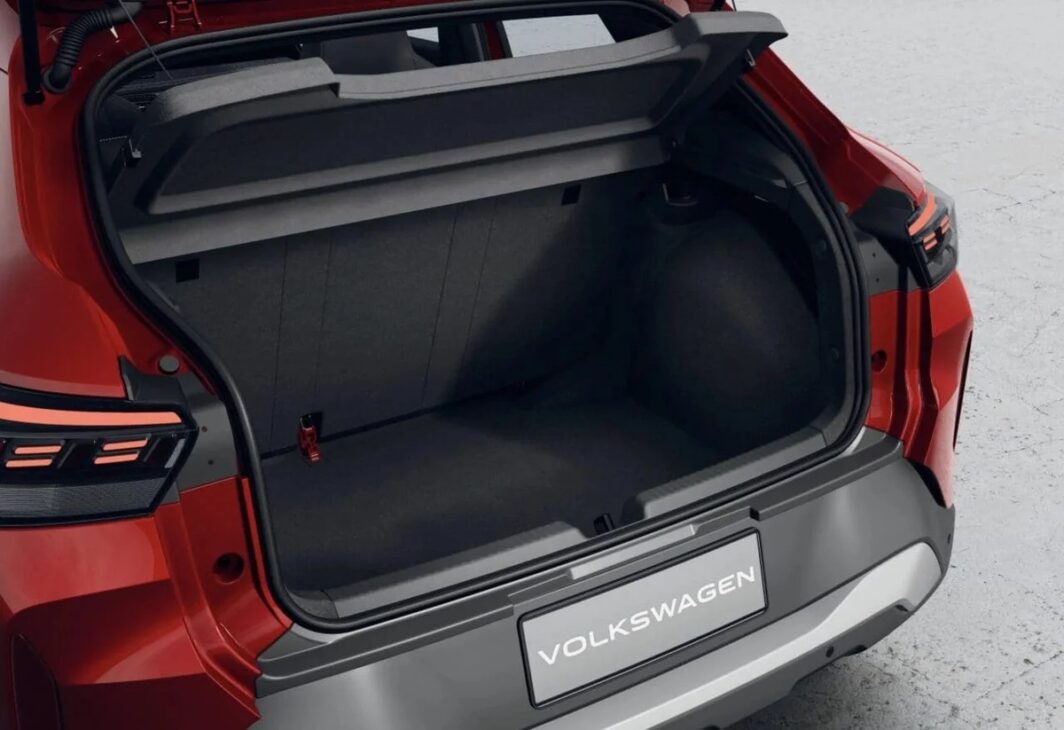
Launched in Brazil in 2023, the Volkswagen Tera ranks fourth with 350 liters of capacity, surpassing the Polo hatch by 50 liters.
Compact but functional, the model has gained traction for being practical for urban use, while also ensuring efficient performance on short trips.
Renault Kardian Breaks the 400-Liter Barrier
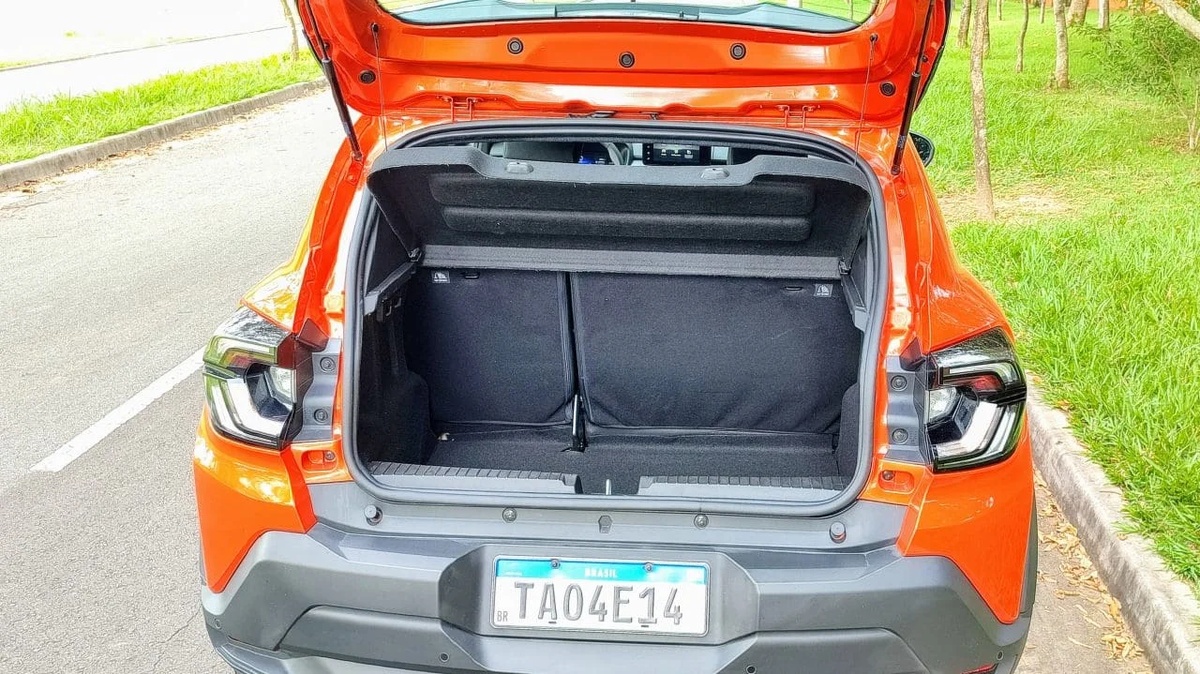
The Renault Kardian, launched in March 2024, positions itself in third place with 410 liters of space.
In addition to the highlighted capacity, the French model provides good interior space for passengers, becoming a benchmark among small SUVs. According to Renault data in 2025, the Kardian is one of the most balanced in the segment.
Volkswagen Nivus Confirms Its Prominent Position
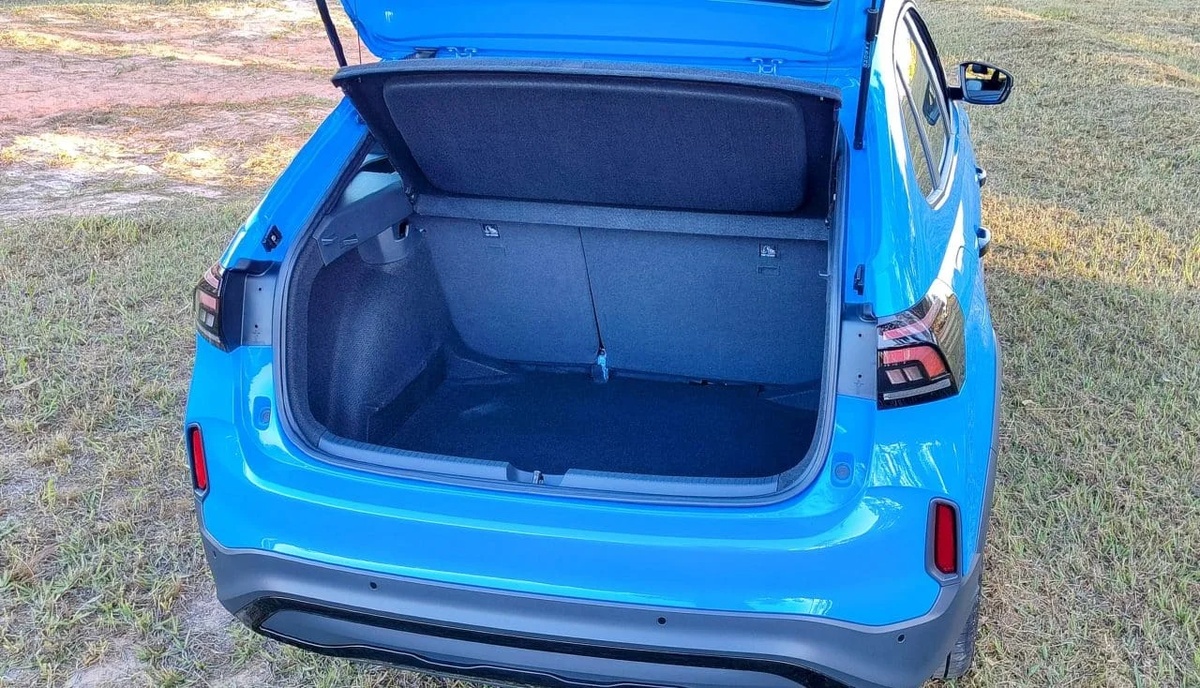
The Volkswagen Nivus, available since 2020 and updated in 2023, ranks second with 415 liters of trunk space.
Even with a coupé body style, the model offers more space than the Kardian and remains among the best-selling compact SUVs in the country, according to Volkswagen numbers released in 2025.
Citroën Basalt Leads with a 490-Liter Trunk
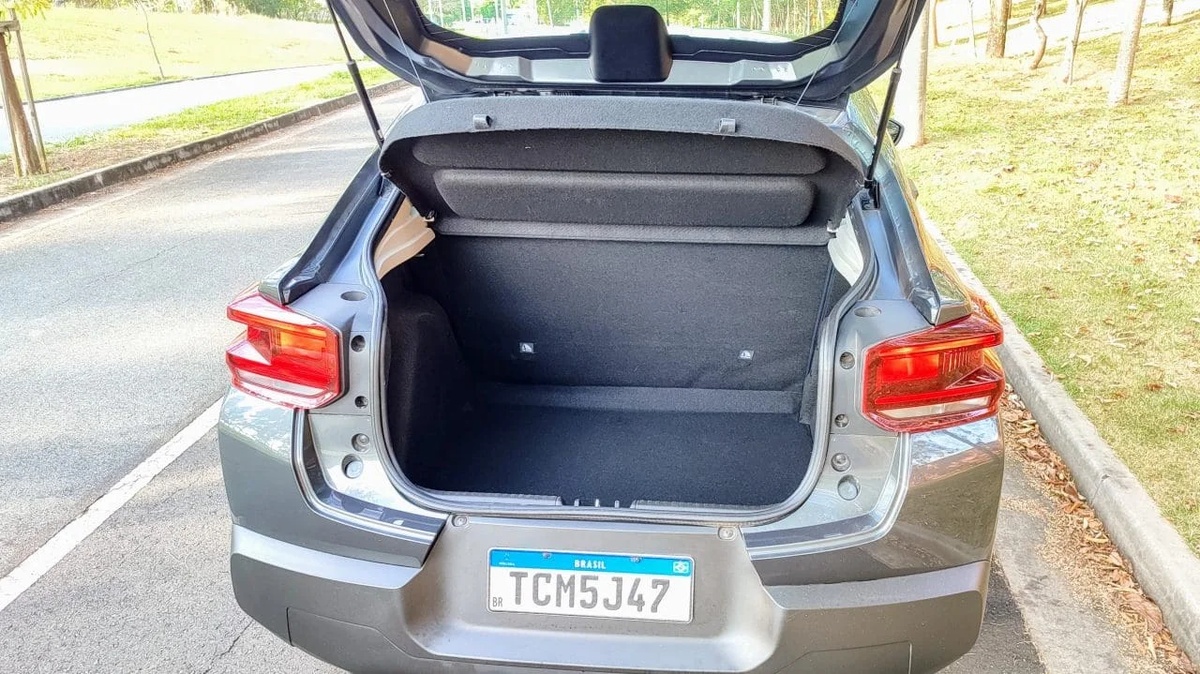
In absolute leadership, the Citroën Basalt, launched in June 2024, emerges as the largest compact SUV in terms of luggage space in Brazil.
With 490 liters, the model approaches medium SUVs and also delivers the most spacious interior in the category, keeping prices below R$ 165,000. According to Stellantis, which is responsible for Citroën, the Basalt bets on strong cost-effectiveness and strategic competitiveness in 2025.
Interior Space and Cost-Effectiveness Drive Choices in 2025
The survey shows that compact SUVs can meet consumers who prioritize generous trunk space without exceeding their budget.
While the Citroën Basalt surprises by nearly reaching 500 liters of capacity, models such as Volkswagen Nivus and Renault Kardian confirm that more than 400 liters is already a reality in the compact segment.
For industry experts, the evolution of the category reinforces that the Brazilian market will continue to invest in efficiency and the balance between space and price.
Now the question remains: which of these compact SUVs would you choose to balance space, practicality, and value in 2025?





Be the first to react!