






 Portuguese
  Spanish
  5 min of reading
  0 comments


The dream of the electric car has turned into a headache in the used car market. The JAC E-JS4 lost R$ 95,000, or 37.5%, in just one year, leading a record depreciation of nearly new electric cars, pressured by the cost of the battery, the flood of new releases, and the tax that rises in July.
Those who bought an electric car thinking they were making the deal of the future were shocked when it came time to resell. In 2026, electric models lead the depreciation in the Brazilian used car market, and the most symbolic case is the JAC E-JS4, which lost R$ 95,000 in just twelve months, according to a report by Terra Brasil, written by Guilherme Silva.
The turnaround is bitter for the wallet. What was sold as savings on fuel and maintenance has become a resale trap, with the electric car plummeting in price at a speed that the combustion engine does not know. And the reasons range from the expensive battery to the arrival of new and cheaper models every month.
The JAC E-JS4 that lost R$ 95,000 in 12 months
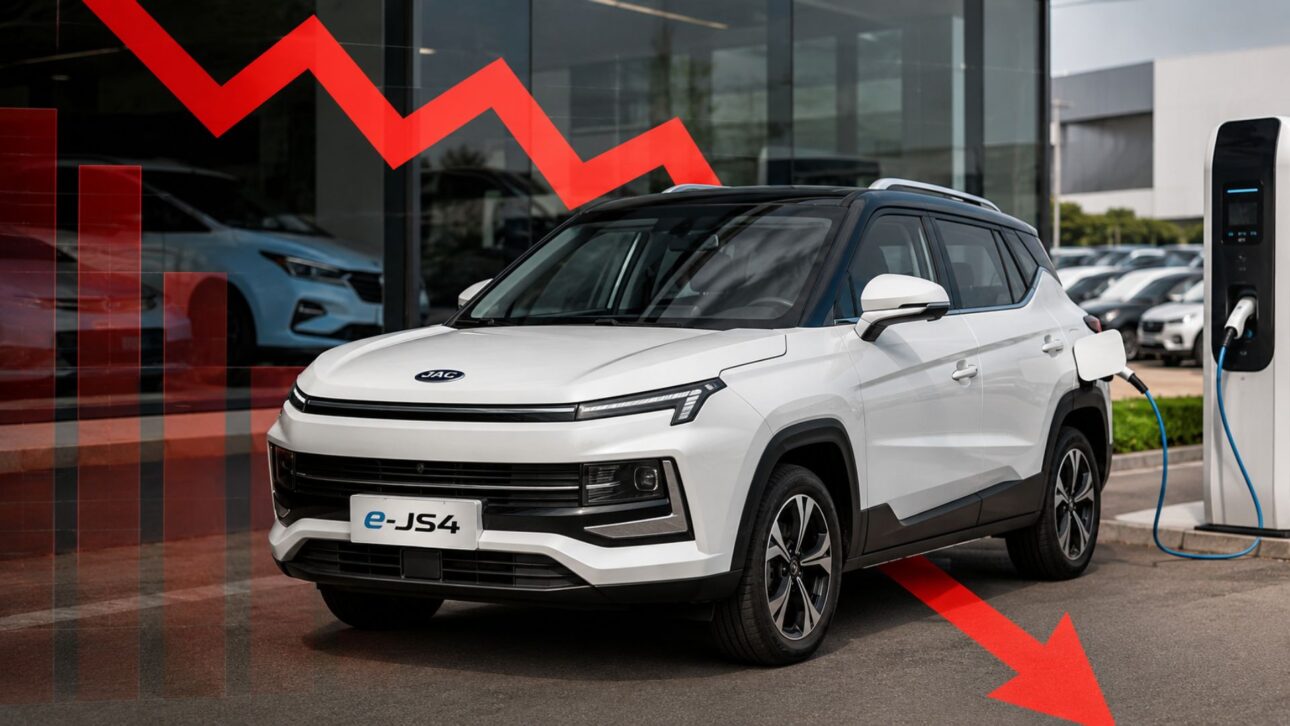
The JAC E-JS4, which cost R$ 254,900, lost 37.5% of its value in a year, equivalent to R$ 95,000 evaporating from the owner’s garage, according to Terra Brasil. It is the largest percentage drop among electrics in the used car market.
-
Used Civic and Corolla have been stuck in stock for months. “People are preferring Chinese cars,” says the car dealership owner.

-
Toyota Sienna becomes a “VIP lounge on wheels” in Brazil after receiving a Chinese luxury kit, seats with massage, Starlink, refrigerator, and a 245 hp hybrid engine, targeting high-income families, artists, and executive transport in an almost million-dollar van.

-
Two new 300cc models from QJ Motor are expected to arrive in Brazil as SBM to target the CB 300F and shake up the low-displacement market, with more power and liquid cooling than Honda.

-
Camaro may reappear in 2027, but not as you remember: Chevrolet prepares the return of the icon with four doors, manual transmission, and an extreme performance version to face the new era of sports cars.


The depreciation, however, does not affect everyone the same way. While the JAC E-JS4 plummeted, the BYD Dolphin Mini fell only 3.58% in the same period, according to Terra Brasil. The difference shows that the brand and the solidity of the service network weigh heavily when it comes to maintaining the price of an electric car.
This contrast is the first clue to the problem. Models from brands with a fragile presence in Brazil suffer more because the buyer of used cars is wary of maintenance and parts replacement. Meanwhile, an electric car from a well-established brand maintains its value better, even amidst the general wave of depreciation.
It’s not just him: the record drop of used electrics
The case of JAC is not an exception; it is the tip of a larger movement. The national market for electric cars faces a record depreciation of 11.95% in used models in 2026, a much sharper pace than that of combustion cars, according to Terra Brasil. The once rare used electric car has become synonymous with quick loss.
Other famous models have entered the red list. The Renault Kwid E-Tech and the JAC E-JS4 itself recorded losses close to 38% in twelve months, while the Renault Mégane E-Tech fell about 26%, according to another report by Terra Brasil. These are drops that change the calculation for those who bet on electric.
For the owner, the effect is immediate on their assets. An electric car that was expensive and is worth much less in a year erodes a large part of what the person invested, precisely the opposite of what was expected from a product sold as smart. And this accelerated depreciation is already a hallmark of used electric cars in the country.
The R$ 80,000 battery that haunts the buyer
At the heart of the fear is the battery. The high replacement cost is pointed out as one of the main drivers of depreciation, as replacing the battery of an electric car can cost up to R$ 80,000, according to Terra Brasil. For many models, this amounts to a huge portion of the vehicle’s own price.
This specter changes the buyer’s behavior. Those looking for a used electric car are hesitant, not knowing how long that battery will last or how much it will cost if it fails. The insecurity reduces demand, and with fewer people wanting to buy, the price drops even further.
Add to this the still shaky infrastructure. The limited technical support network and the lack of charging points reduce the liquidity of the electric car in the used car market, according to Terra Brasil. In other words, besides the risk of the battery, the owner faces difficulty in finding someone who wants the car.
Cheaper launches and the tax that rises in July
Technology advances too quickly for the wallet of those who have already purchased. The new releases of electric cars come with a range above 400 km, compared to about 250 km for older models, and often at a lower price, according to Terra Brasil. Each new and better model pushes the previous one down the chart.
The entry of Chinese brands has boosted this cycle. With a flood of competitive models, supply has increased and prices have plummeted, accelerating the devaluation of used electric cars that were already on the road. Today’s buyer has better and cheaper options than they did a year ago.
And there’s also the tax change. From July 2026, the import tax rises to 35% on pure electrics, which go from 25% to 35%, and on plug-in hybrids, which go from 28% to 35%, according to Terra Brasil. The change further muddles prices and adds uncertainty to an already unstable electric car market.
Those who bought to save now hold onto the car
In the end, the biggest victim is those who entered in good faith. Many people bought an electric car precisely to save money and ended up with an asset that melts in value, causing the owner to hold onto the car for fear of taking a loss on resale. The devaluation turned the expected savings into a trap.
This doesn’t mean that electric cars are a bad deal for everyone. For those who drive a lot and intend to keep the vehicle for years, the daily savings can offset the loss on resale. The problem is for those who change cars frequently, because then the devaluation of used electric cars weighs too heavily.
The takeaway is to be informed before buying. Knowing that an electric car can lose almost 40% in a year, that the battery is expensive, and that the tax will affect prices helps the consumer decide with open eyes. The JAC E-JS4 became the symbol of what no one warned about at the time of sale.
The story of the JAC E-JS4 sums up the fall of the electric car in the Brazilian used car market: R$ 95,000 less in a year, in a record devaluation driven by the expensive battery, cheap launches, and the tax increase in July. What seemed like the car of the future turned into, for many owners, an expensive lesson on resale.
And you, would you buy an electric car today knowing about this devaluation, or would you wait for prices and technology to stabilize? Tell us in the comments what you would do.






Be the first to react!