





 Portuguese
  English
  Spanish
  5 min of reading
  0 comments


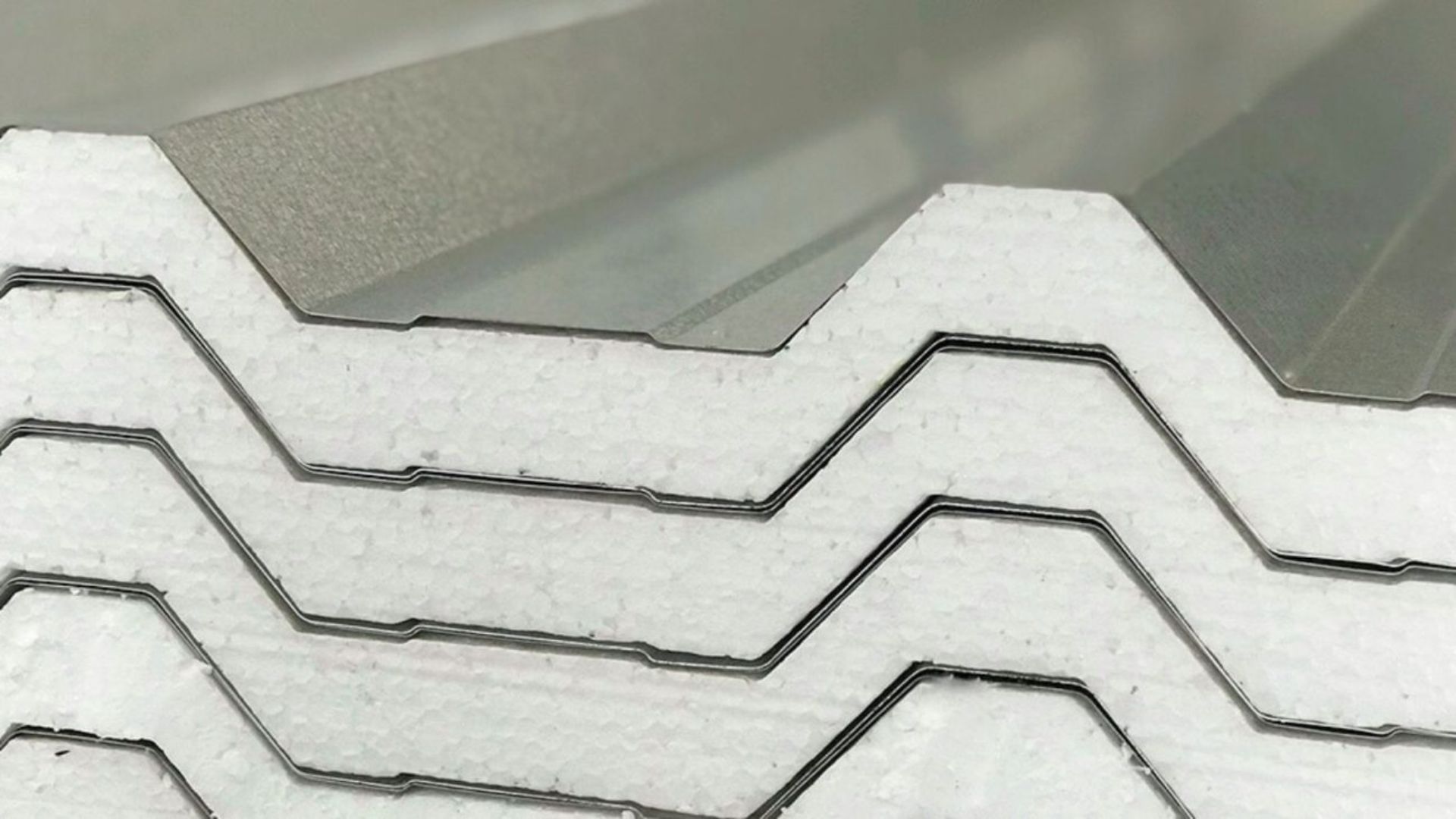
Solution That Combines Thermal Insulation, Energy Savings, and Durability Gains Ground in Brazilian Residential and Commercial Projects, Marking a Shift in the Roofing Market and Sparking Interest in Innovative Alternatives.
In the current scenario of the Brazilian construction industry, the search for solutions that combine comfort, savings, and sustainability has driven the emergence of new materials for roofing.
Among the most sought-after alternatives, the sandwich panel stands out as one of the main bets for those looking for thermal efficiency, reduction in electricity costs, and modern aesthetics in buildings.
Recent data from the sector indicate that the use of this technology has grown by more than 30% in the last five years in residential and commercial projects, according to the Brazilian Association of Steel Tile Industry (ABITA).
-
How to properly build a brick wall, starting with measuring the area, choosing materials, preparing the mortar, aligning with nylon string, and finishing with lime, putty, and paint.

-
Four thousand PET bottles became a 24m² house in the interior of São Paulo, as ten students proved that it’s possible to build a home from floor to ceiling with recycled plastic, spending 30% less than a brick construction.

-
Man builds entire village with over 1 million PET bottles and impresses with creativity; known as Plastic Bottle Village, the project even erected a four-story castle with 40,000 bottles and entered the Guinness World Records.
-
Concrete made with seawater and marine sand challenges one of the basic rules of civil construction, replacing common steel with corrosion-resistant reinforcements, and can turn islands and coastal works into laboratories of a new salty engineering.




But after all, why have traditional tiles fallen behind?
What Is a Sandwich Panel and What Are Its Advantages?
Unlike conventional tiles made of ceramic, fiber cement, or simple metal, a sandwich panel consists of three layers: two metal sheets and an insulating core, made of materials such as polyurethane (PU), polyisocyanurate (PIR), or expanded polystyrene (EPS).
This structure provides an efficient barrier against heat transfer and noise, making the internal environment much more pleasant in different seasons of the year.
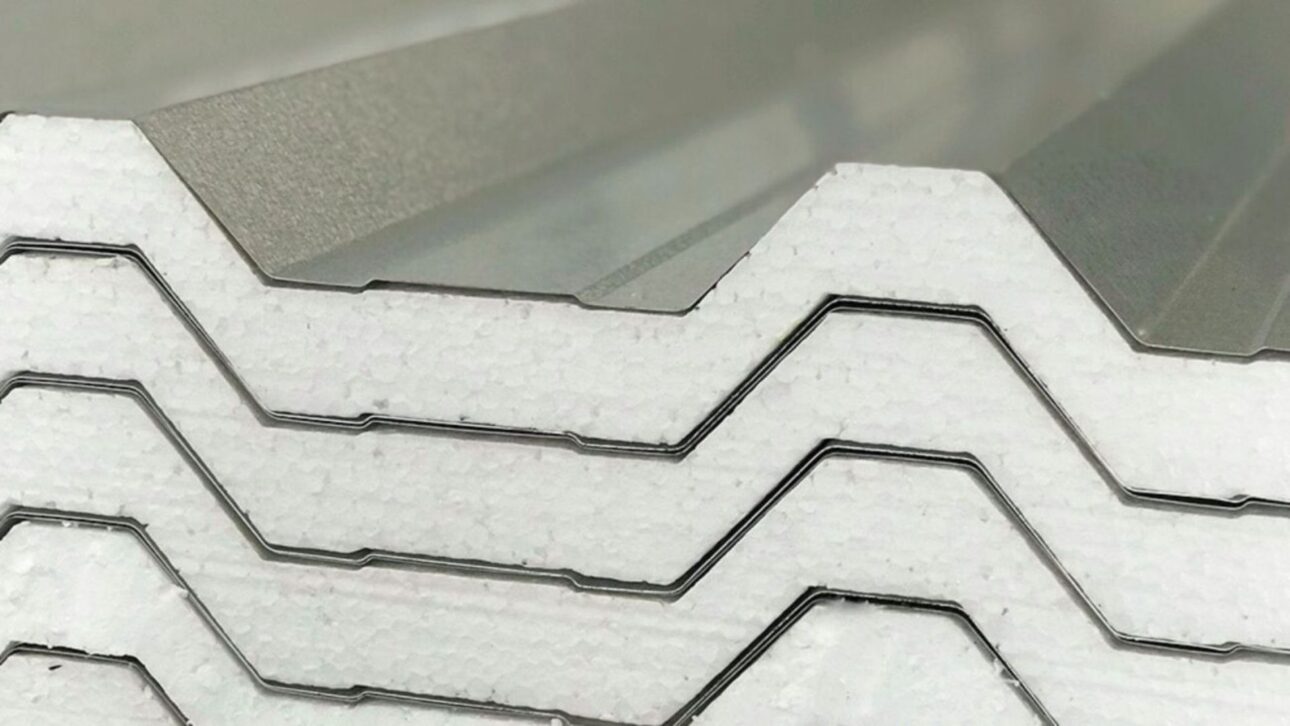
The thermal insulation guaranteed by the core of the sandwich panel can result in a difference of up to 24 °C in internal temperature compared to the use of common tiles.
Technical studies indicate that, on hot days, while an environment covered by traditional tiles can easily exceed 50 °C, properties that use the sandwich panel can maintain a temperature close to 26 °C, promoting the comfort and health of the occupants.
Energy Savings and Thermal Comfort: Real Impacts on Daily Life
The ability to keep the house cooler has direct impacts on electricity consumption.
With less need for air conditioning and fans, savings can reach up to 35% on the electricity bill, according to a survey by the Energy Research Company (EPE) released in March 2025.
This savings, combined with the durability of the material, makes the sandwich panel an investment with visible returns in the medium and long term.
In addition to thermal efficiency, the sandwich panel also stands out for its acoustic insulation, significantly reducing the entry of external noise.
Auditory comfort provides quieter environments, whether in homes, commercial establishments, or even industrial warehouses, where noise can be a recurring problem.
Practical Installation and Maintenance: Agility and Long Lifespan
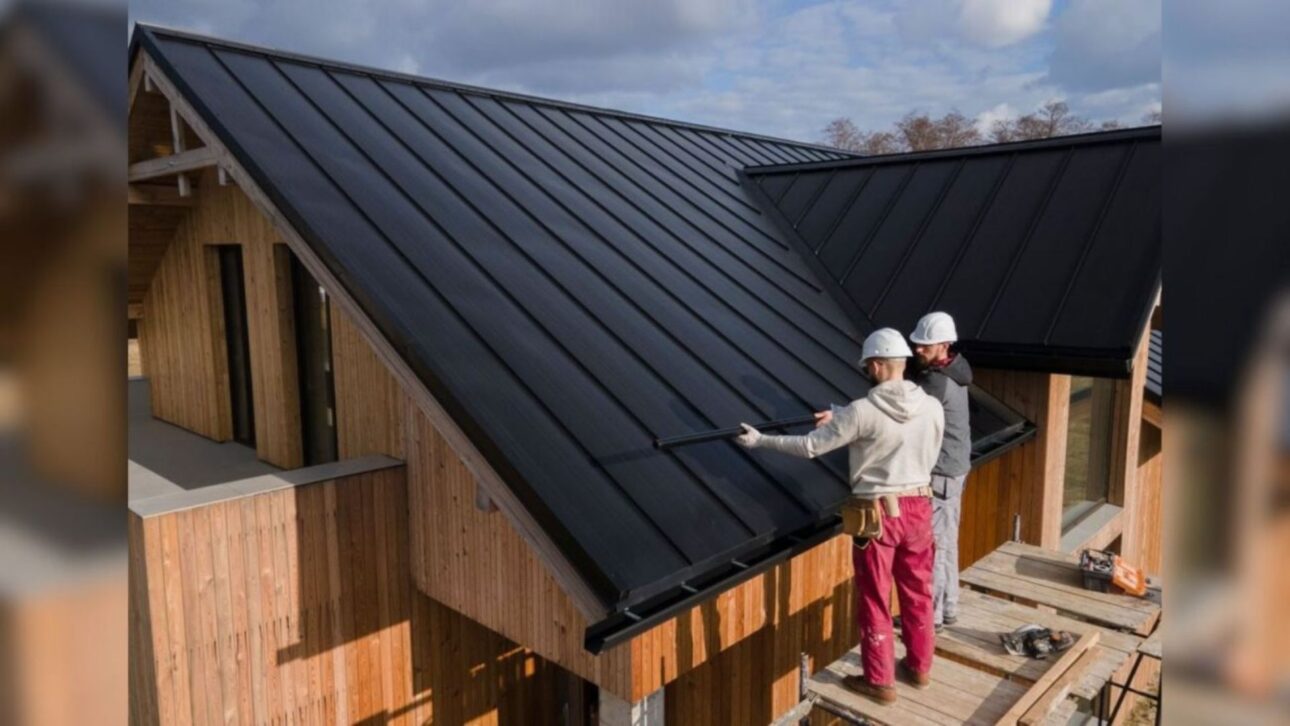
The installation of the sandwich panel is considered quick and simple, especially due to the lightweight nature of the material.
Despite appearing robust, the metal sheets and insulating core facilitate transportation and fitting on the roof.
Professionals recommend that the fastening system should be done at the top of the panel, using special screws, rubber rings, and sealing tape, ensuring tightness and preventing leaks that can compromise the structure and reduce the lifespan of the roofing.
Durability is also a noteworthy aspect.
When installed correctly and subjected to preventive maintenance — which basically consists of periodic cleanings to remove leaves, dirt, and metal residues — the sandwich panel can exceed 40 years of use, according to manufacturers and research from the Technological Research Institute (IPT) of São Paulo.
This resistance to weather, corrosion, and temperature variations contributes to the appreciation of the property and less need for future renovations.
Modernity and Sustainability: Sandwich Panel Aligns with Trends
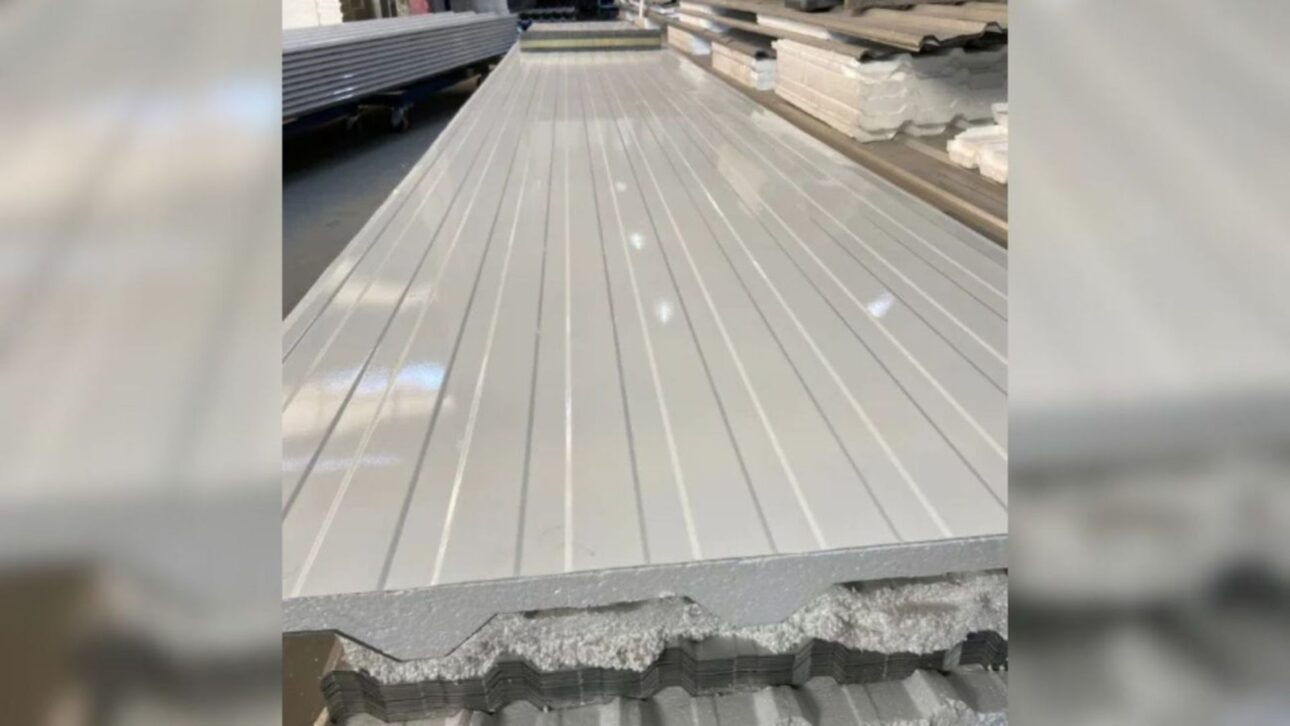
In addition to technical performance, the sandwich panel offers a modern finish and a variety of colors, integrating well into contemporary architectural projects.
Its use is increasingly common not only in residences but also in businesses, schools, hospitals, and warehouses, reinforcing the multifunctional appeal of the product.
Another relevant aspect is sustainability.
Many manufacturers use recycled steel in their sheets and cores with low gas emission rates during production.
The polyurethane (PU) core, for example, has high thermal efficiency and, when produced using clean technologies, presents a lower environmental impact.
The polyisocyanurate (PIR), in turn, in addition to thermal insulation, offers greater fire resistance, being recommended for buildings with stricter safety requirements.
Differences Between PU, PIR, and EPS: Understand the Core Options
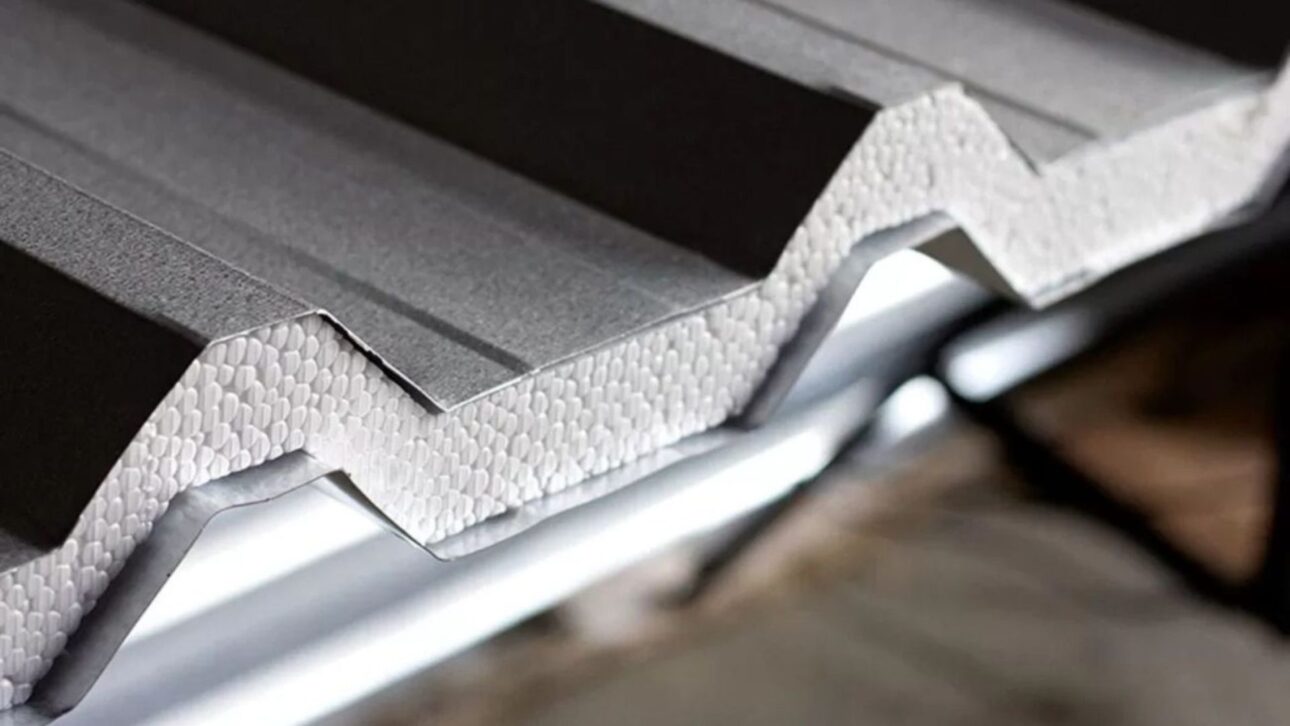
The choice of insulating core directly affects the performance of the sandwich panel.
Polyurethane (PU) stands out for its high thermal insulation, being widely used in hot climate regions.
Polyisocyanurate (PIR) is similar to PU but offers greater fire resistance and extended durability, making it suitable for industrial or commercial areas.
Expanded polystyrene (EPS) is a cost-effective alternative, with inferior thermal insulation but still efficient for smaller projects.
It is important to always verify the origin of the material, as there are reports of sandwich panels with low-density or non-certified cores that do not deliver the promised performance.
The consumer should demand quality reports and certificates, in addition to hiring qualified professionals for installation, avoiding future headaches.
In your view, has the common tile really fallen into the past, or does it still have a place in specific projects? Have you considered the benefits of the sandwich panel in your project? Share your experience and opinion in the comments.





Be the first to react!