






 Portuguese
  Spanish
  3 min of reading
  0 comments


Proposal under internal discussion seeks to reduce raw material exports and stimulate more advanced stages of the mineral chain in the country
The government of President Luiz Inácio Lula da Silva (PT) is analyzing the creation of a tax on the export of lightly processed critical minerals.
The discussion has been ongoing since 2024 and gained momentum in 2025.
The measure has not yet been defined and remains in a preliminary phase, according to CNN Brasil.
-
China could reduce iron ore imports from 80% to 50% of consumption by 2030, while its share in global steel production falls from 52% to 46%, in a shift that could reshape the global market, says CMRG.

-
Brazil is sitting on one of the largest lithium reserves in the world, in the Jequitinhonha Valley, but national mining has almost become an appendage of China: 97% of the metal’s export goes to a single country, which also dominates refining.
-
Iron ore falls to 762 yuan in China as real estate sales decline and steel production hits lowest level since 2018
-
Brazil has minerals, clean energy, and a waiting market, but it could miss a billion-dollar opportunity if it doesn’t speed up the race for green minerals, while the steel industry seeks to reduce emissions.


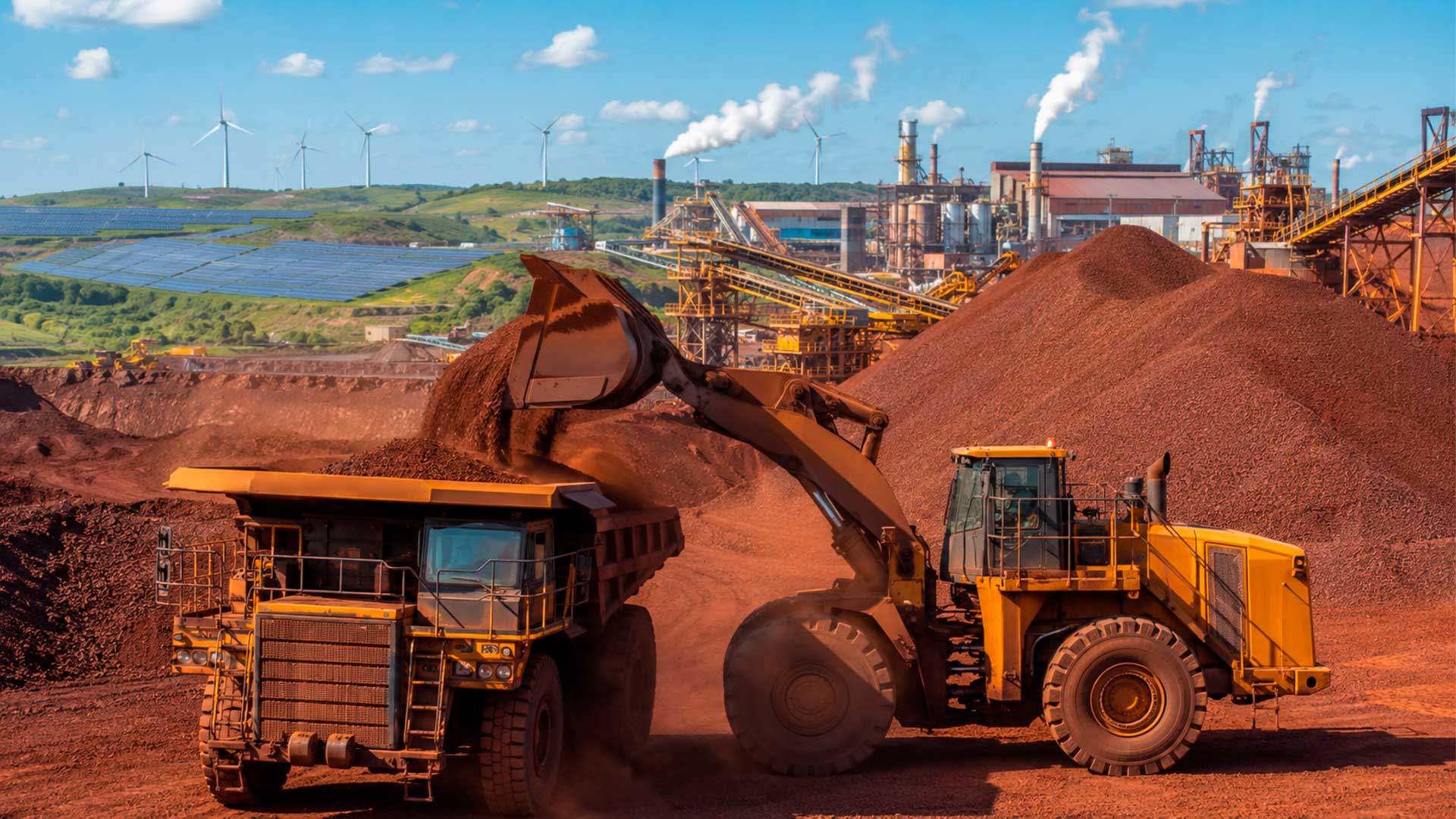
The objective is to stimulate value addition in Brazil and expand the participation of national industry.

Debate on critical minerals gains strength in government
The proposal is part of the formulation of the national policy for critical minerals.
The strategy seeks to reduce the export of materials in initial stages.
The plan also encourages investments in beneficiation, refining, and industrialization in the country.
This movement aims to expand Brazil’s presence in the most profitable stages of the mineral chain.
What falls under the classification of lightly processed material
Experts heard by CNN Brasil explain that “raw ore” is not the final metallic product.
The term refers to materials in the initial stages of the production chain.
Examples include:
- Iron concentrates, such as magnetite and hematite;
- Copper ores, such as chalcopyrite and bornite;
- Bauxite, in the aluminum chain;
- Rare earth minerals, such as monazite and xenotime.
These materials undergo initial beneficiation.
However, they do not undergo advanced metallurgical and chemical processes that increase purity and value.
Strategy seeks to increase national added value
The proposal foresees the taxation of products closer to their original state.
Already industrialized items should not be affected.
Intermediate products are also outside the focus.
The measure seeks to stimulate internal production at more advanced levels.
Internal divergences hinder deeper decisions
The topic generates divergences regarding the level of state intervention.
The proposal to create a state-owned company lost momentum in 2025.
Most of the ministries involved resist the idea.
The matter was postponed to 2027, should the government continue.
BNDES and incentives emerge as alternatives
Other solutions began to be discussed.
Among them:
- BNDES credit lines for industrial projects;
- Bank participation as a partner in ventures;
- Incentives for mineral processing in Brazil.
The possible taxation appears as a complementary instrument.
Impacts and risks are still under evaluation
The proposal raises concerns about the competitiveness of the mineral sector.
There is also concern regarding the attraction of foreign investments.
Technical and political analysis is ongoing.
Congress defines limits for mineral policy
The debate is taking place in the Chamber of Deputies.
Rapporteur Arnaldo Jardim (Cidadania-SP) presented a preliminary version of the legal framework.
According to him, there is no room for export restrictions or the creation of a state-owned company.
The text should prioritize attracting investments and market opening.
Federal program can transform the sector
The report foresees the creation of a federal mineral transformation program.
The objective is to encourage more advanced stages of the production chain.
Projects will be differentiated according to the level of value aggregation.
Projects with greater transformation will receive more incentives.
The model seeks to reward companies that go beyond mineral extraction.
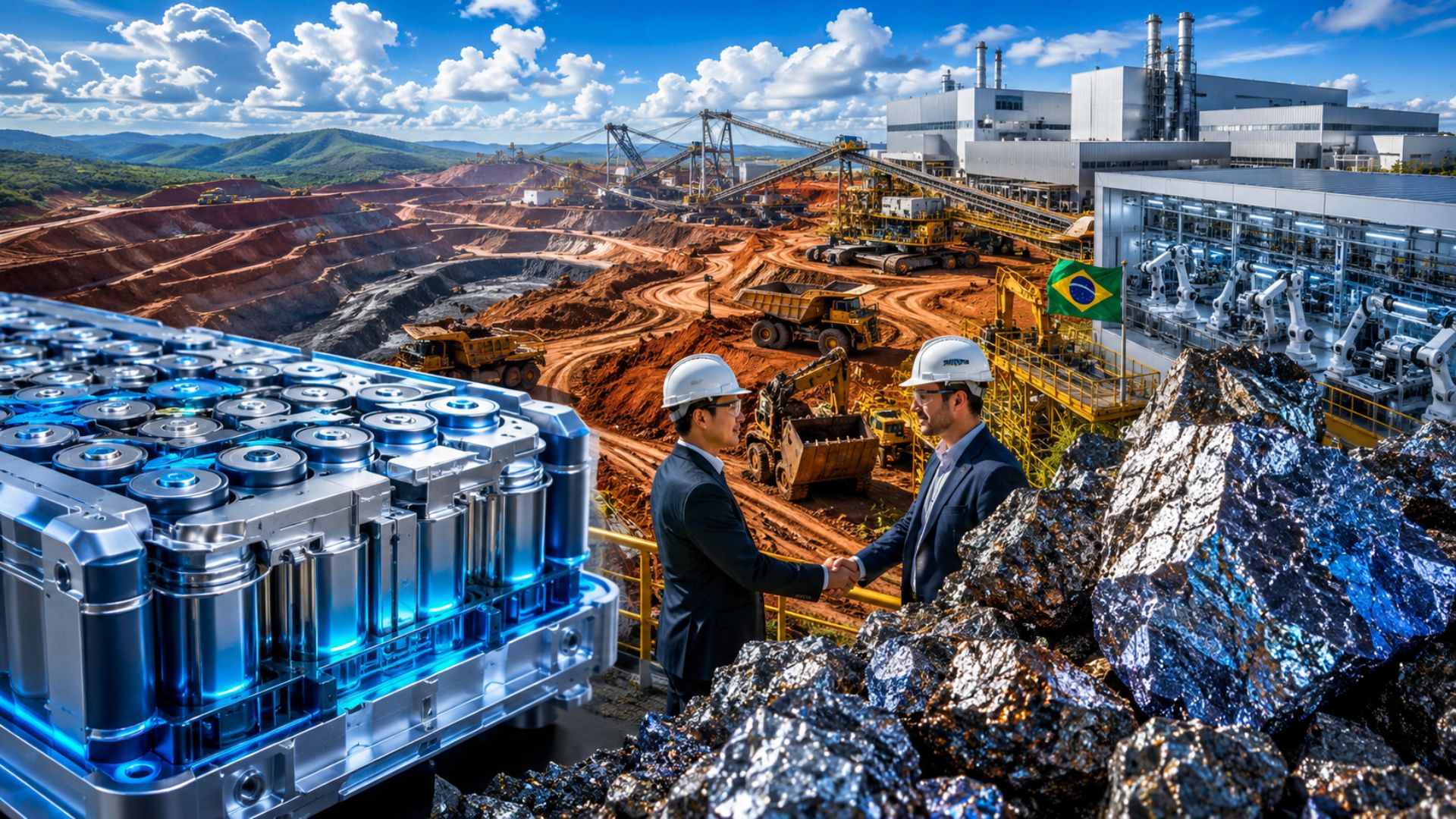
Will Brazil be able to balance competitiveness and industrialization when defining the future of critical minerals?







Be the first to react!