






 Portuguese
  Spanish
  3 min of reading
  0 comments


Extreme charging technology from BYD arrives in Brazil with high power, energy efficiency, and BESS system support to avoid overloading the electric grid
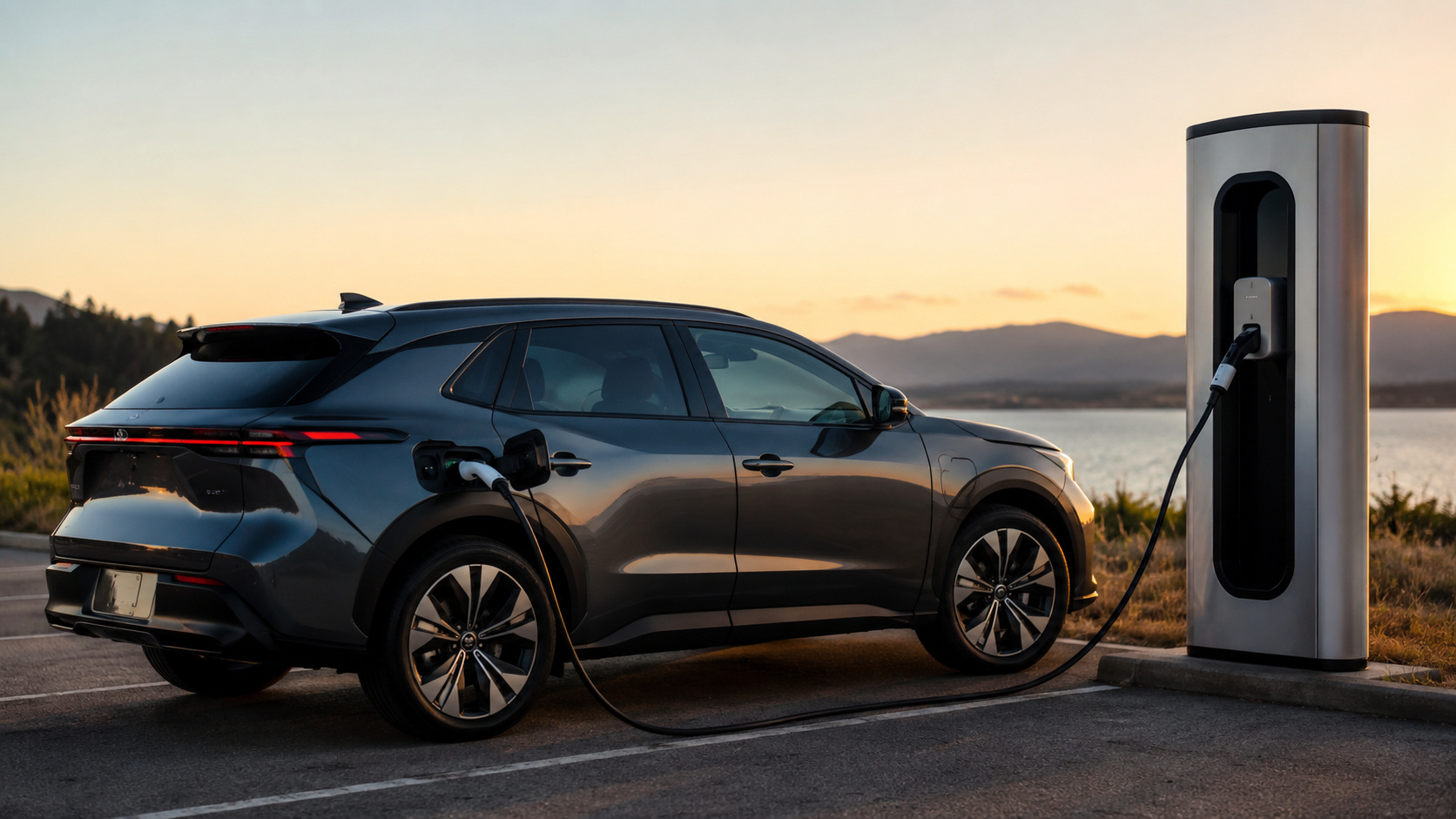
BYD confirmed for June 2026 the debut of the world’s most powerful electric car charger in Brazil, according to data released by Autoesporte magazine.
The 1,500 kW system, called Flash Charging, will initially be installed in Brasília (DF), within a dealership of Denza, the luxury division of the Chinese automaker.
In this scenario, the Z9 GT model, arriving in the same period, will be the first vehicle to use this technology in the country.
-
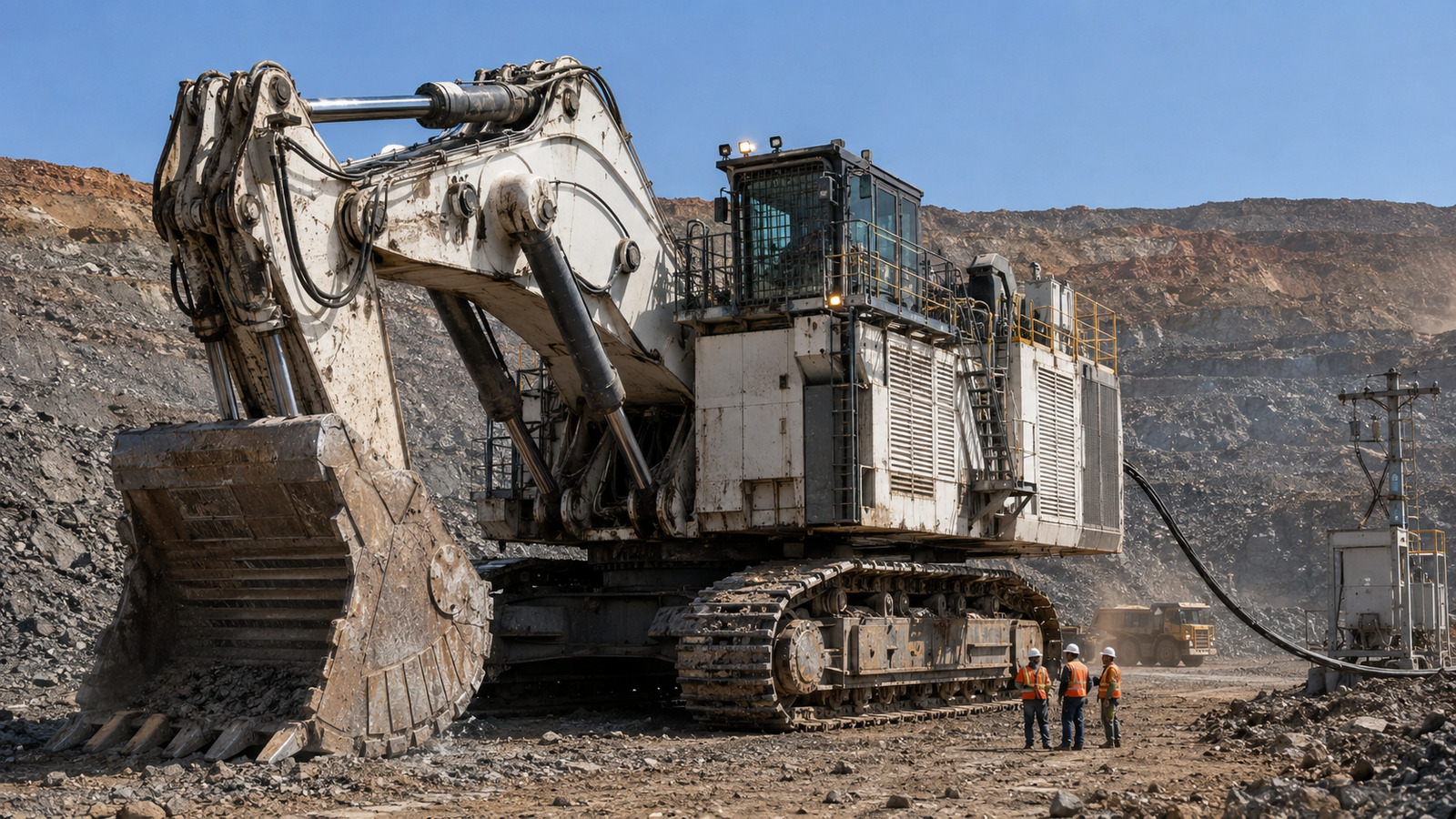
Unprecedented achievement in India: a colossal 650-ton, nearly 3,000 hp excavator is transformed into 100% electric, marking a new phase in heavy mining.

-
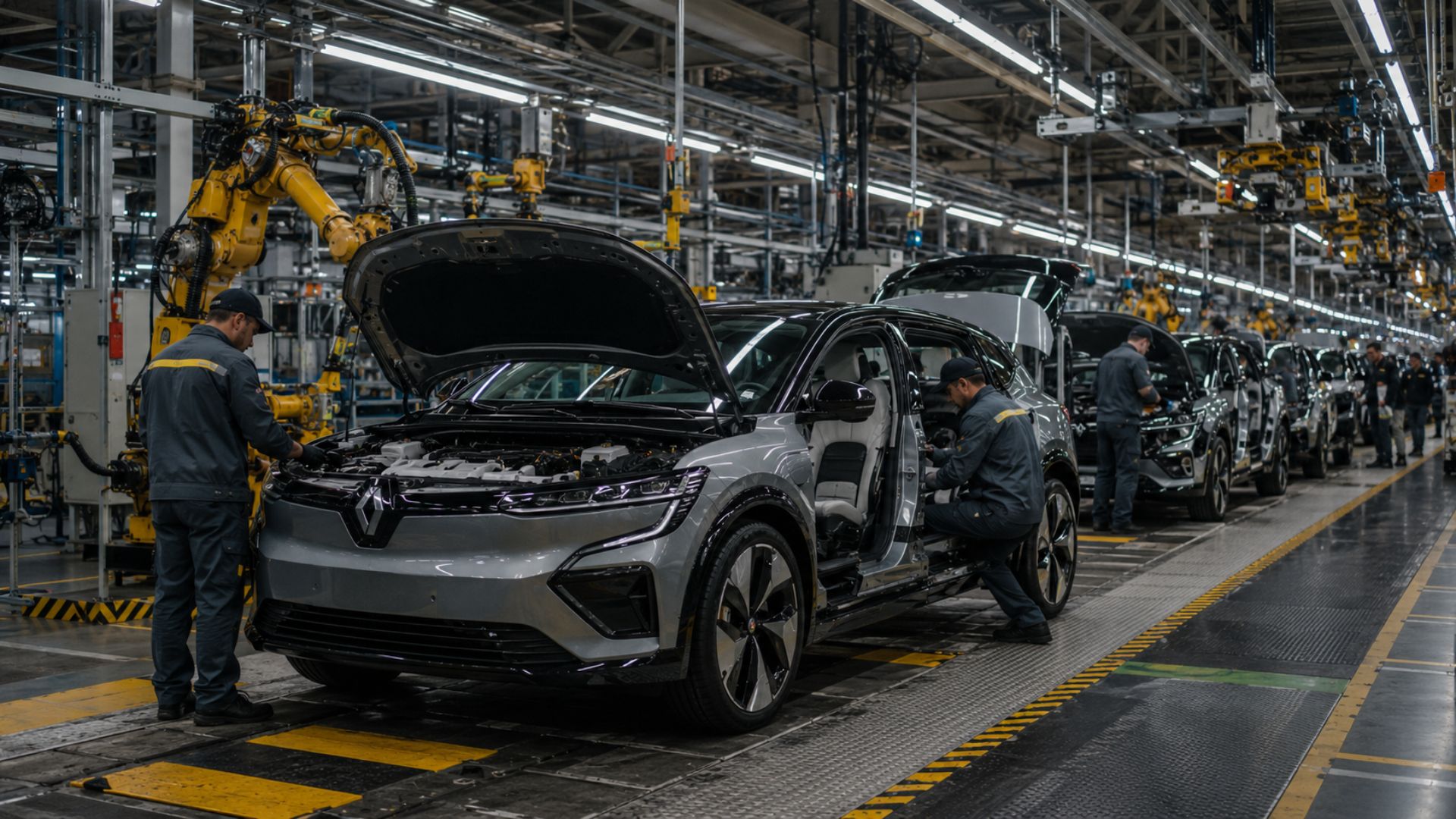
Frightened by the speed of Chinese manufacturers, Renault decided to mimic the pace, made the new electric Twingo in just 21 months, wants to repeat the feat with 36 models by 2030, and along the way, will cut up to 2,400 engineering positions.

-
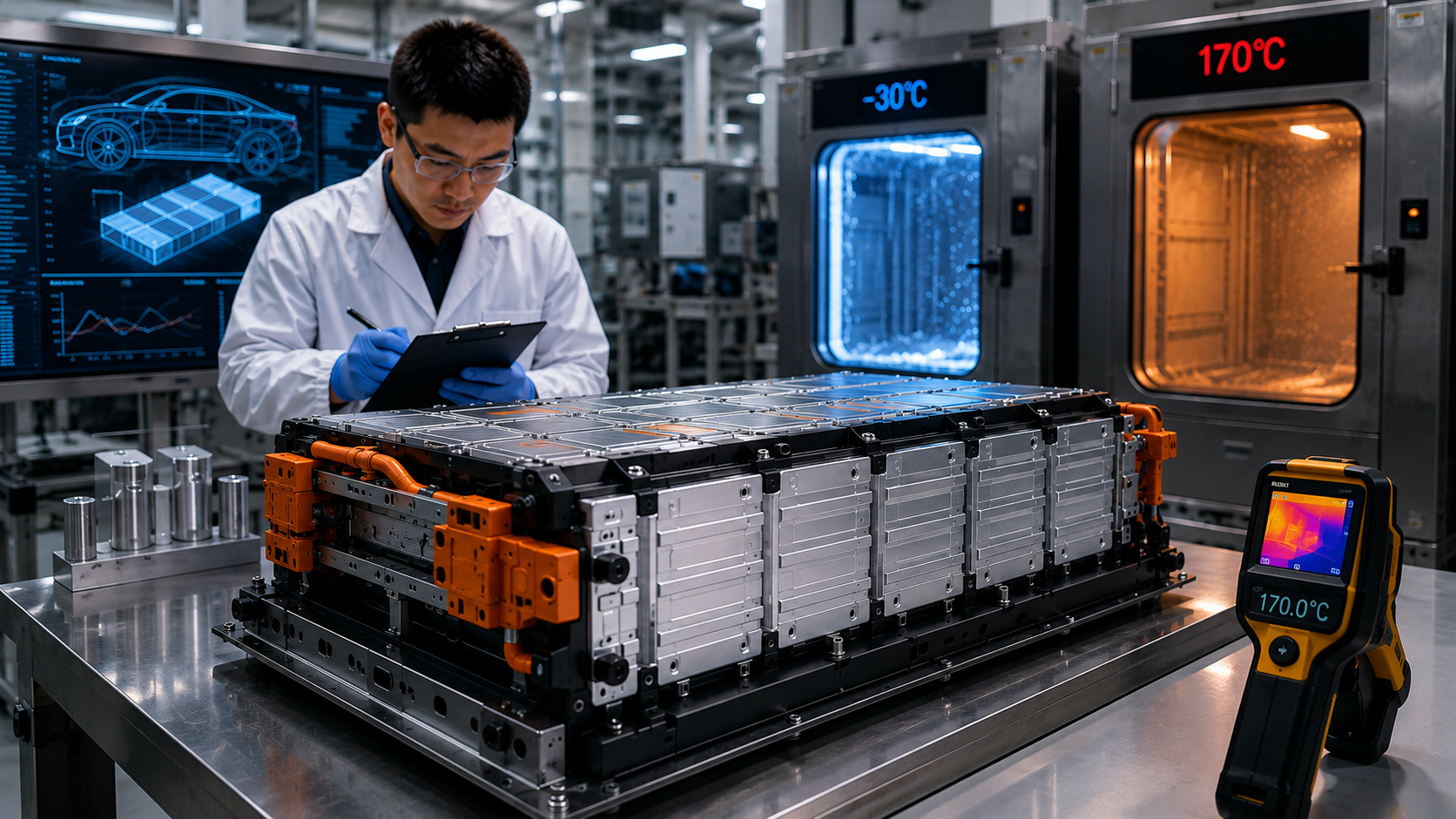
Chinese battery from Dongfeng promises to exceed 1,000 km without relying on liquid electrolyte, and the detail behind the technology could change the electric car competition.

-
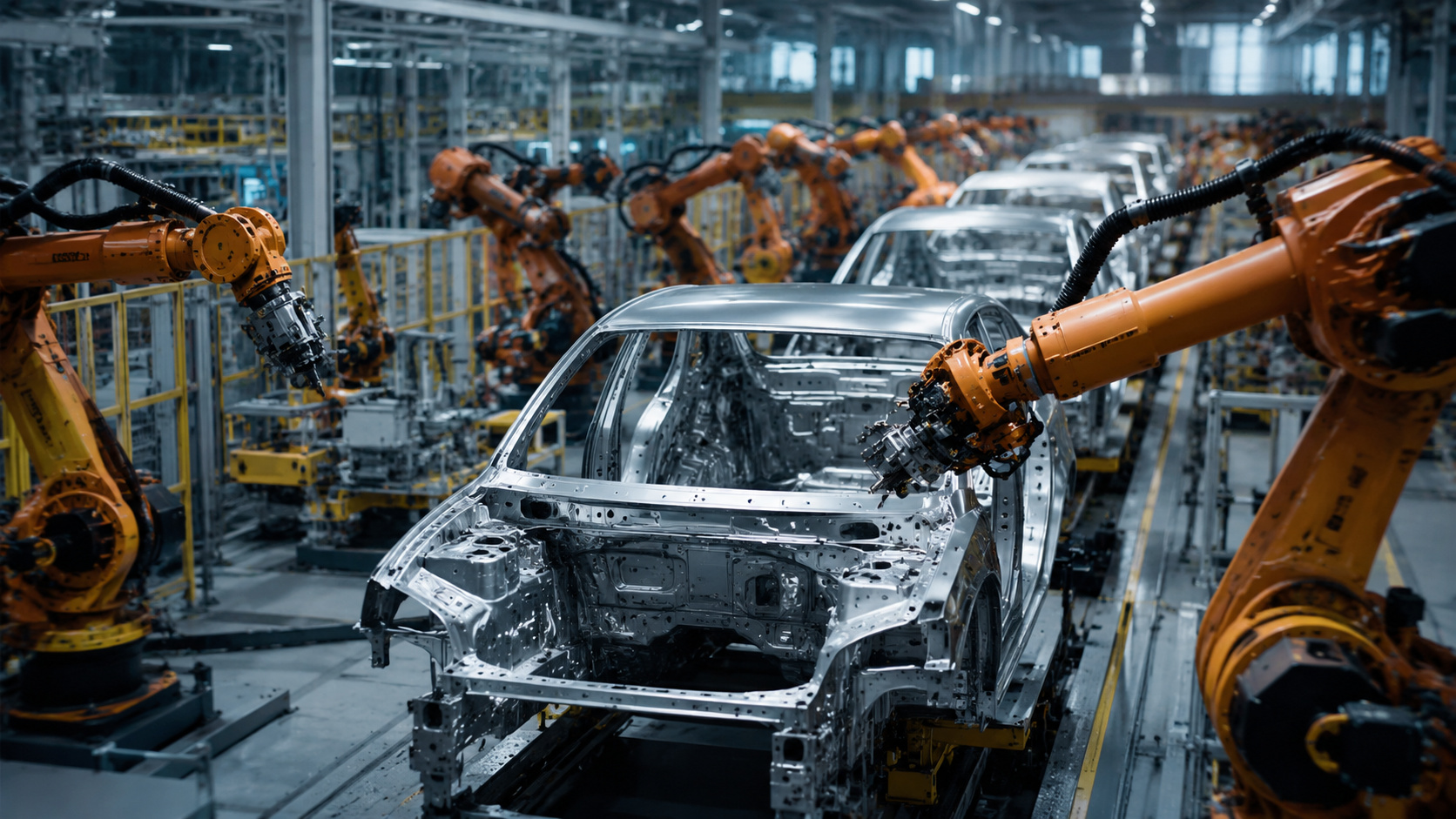
The end of the automotive combustion era has already begun, but many in Brazil have not yet realized the magnitude of the shift towards Chinese electric cars.
BESS system enables extreme power without overloading the grid
The operation of the charger directly depends on the BESS (Battery Energy Storage System), responsible for storing electrical energy before use.
In practice, this system acts as a large reservoir, similar to a high-capacity power bank, ensuring immediate supply at high power.
Currently, fast chargers in Brazil operate around 350 kW, highlighting the technological leap of the solution presented by BYD.
Delivering up to 1.5 megawatts of direct current requires additional support, as the conventional electric grid was not designed for intense demand peaks.
Thus, the BESS remains connected and accumulates energy continuously, releasing it only at the moment of vehicle charging.

Electrical infrastructure requires control of energy peaks
The absence of this system could generate significant impacts on the local electric grid.
Among the main risks are:
- Voltage drop in serviced areas
- Heating of cables and transformers
- Accelerated wear of infrastructure
- Need for reinforcements or new substations
This scenario reinforces the importance of BESS as an energy balancing element.
In 2024, in China, BYD presented a high-performance sodium-ion BESS, according to data from the manufacturer itself.
The system has a capacity of 2.3 megawatts and a nominal voltage of 1,200 V, operating between 800 V and 1,400 V.

Ultra-fast charging redefines the experience with electric vehicles
Flash Charging allows for extremely fast recharges, significantly reducing user wait times.
Compatible vehicles can achieve:
- From 10% to 70% in about 5 minutes
- Up to 97% in less than 10 minutes
Under ideal conditions, charging from 20% to 97% occurs in approximately 12 minutes, according to the manufacturer.
This performance depends on the second generation of the Blade battery, developed over six years.
BYD emphasizes that consumers prioritize reduced charging time over increased range.
New generation of Blade battery enhances energy efficiency
The new battery features significant technical advancements compared to the previous generation.
There was a **5% increase in energy density**, which directly impacts charging efficiency.
The system incorporates a **high-speed lithium-ion channel** and **intelligent thermal management**.
These features reduce internal heat and improve thermal dissipation during charging.
In environments with temperatures close to **-30ºC**, the recharge time may be longer, according to the manufacturer.
Technology Expansion Advances Until 2027
BYD’s strategy foresees accelerated expansion of this infrastructure.
The company plans to install **1,000 chargers in Brazil by 2027**.
In the Chinese market, the expectation is to reach **20,000 units by the end of 2026**.
This movement accompanies the global growth of electric mobility.
Functional Design and Compatibility with Specific Vehicles
The charger has a “T” shape and uses the **Zero Gravity** system, which facilitates cable handling.
The adopted standard is **CCS2**, used for fast direct current charging.
Not all vehicles, however, support this high power.
Models like the **Dolphin Mini**, for example, have a limit of **40 kW**, which prevents the use of the system.
Flash Charging technology, therefore, will be restricted to vehicles prepared for high electrical loads.
Given this technological advancement and the planned expansion, electric mobility in Brazil enters a new phase — will the infrastructure be able to keep pace with this evolution?







Be the first to react!