Portuguese
  Spanish





Anyone thinking about buying a compact SUV in Brazil has probably already placed Chevrolet Tracker and Nissan Kicks side by side on their list of options. Both models have a strong presence in the market, offer a good package of features, and bring that versatility so valued in an urban and family vehicle. But when it comes to cheaper insurance, the differences become quite clear and can weigh heavily on the driver’s wallet over the years.
Cheaper Insurance: A Difference That Makes Sense
The annual cost of insurance can vary by up to 40% between Tracker and Kicks, depending on the driver’s profile and the area where the car is driven. Generally, the Nissan Kicks has the advantage, being pointed out in recent quotes as the compact SUV with the lowest premium. This is because the Nissan model has a lower theft rate, cheaper maintenance, and slightly lower parts prices compared to its Chevrolet counterpart. For those looking to reduce fixed expenses, this difference is significant.
Driver Profiles Matter a Lot
It’s important to understand that the value of insurance depends not only on the car but also on the driver. Age, time with a license, claims history, and even profession affect the quote. In the case of the Tracker, young drivers pay higher premiums, as the SUV is viewed by insurers as more targeted for theft in urban areas. In contrast, Kicks prices tend to be less impacted, reinforcing the perception of cheaper insurance for most profiles.
-
Rolls-Royce Turns Heads with 30-Inch Floating Wheels, 6.6-Liter V12 Engine, and 563 Horsepower

-
2019 Kia Sportage EX: A Spacious and Cost-Effective SUV with 2.0 Flex Engine and Panoramic Roof
-
Fiat Strada Becomes Top Seller in June, Surpassing Onix, Polo, Hilux, and T-Cross with 107 HP Engine and 732 km Range.

-
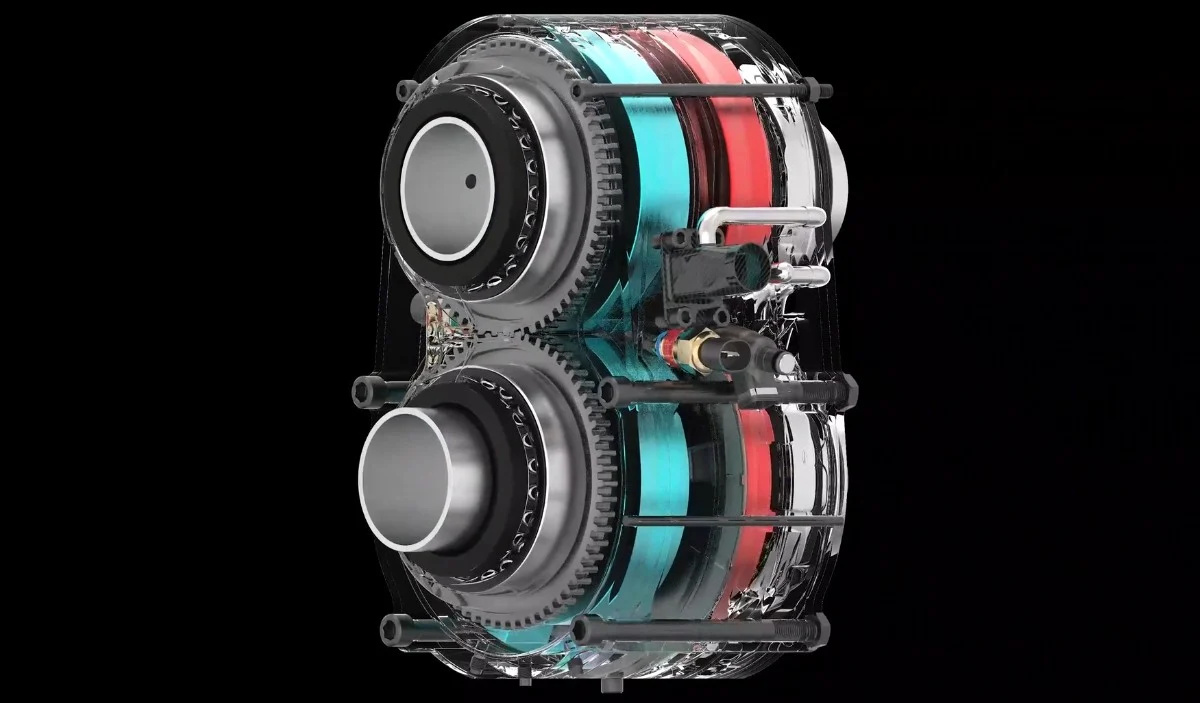
Suitcase-sized hydrogen engine spins at 25,000 rpm, nearly doubling the efficiency of conventional cars and replacing exhaust smoke with water vapor


Tracker: Technology and Performance, but Higher Cost
The Tracker is the more modern SUV of the two in terms of connectivity and engine. Its turbo engine, available even in the base models, ensures great performance on the road and fuel efficiency. Additionally, the MyLink multimedia system is a market benchmark. The problem is that, precisely because it has a higher purchase price and more sophisticated parts, insurance is not cheap. In many cases, the premium approaches that of mid-size SUVs.
Nissan Kicks: Simple Maintenance and Affordable Protection
The Kicks, on the other hand, bets on reliability and cost-effectiveness. Its 1.6 naturally aspirated engine may not deliver the same performance as its competitor, but it proves to be economical and easy to maintain. This combination directly reflects in cheaper insurance, as insurers consider the car less costly in case of repairs. For families or drivers who drive a lot in the city, predictable expenses make a difference.
Difference Between Capitals and Rural Areas
Another point to consider is location. In capitals like São Paulo and Rio de Janeiro, where theft rates are higher, the Tracker faces greater penalties. The Kicks maintains more stable quotes, albeit higher in these areas. In rural areas, both models register lower values, but the Nissan continues to have a more competitive average, reinforcing its reputation as an SUV with cheaper insurance.
Equipment Package Influences the Decision
Although insurance carries significant weight, the list of features cannot be ignored. The Tracker usually offers more technological resources, such as blind-spot monitoring and automatic emergency braking, items that only appear in the more expensive versions of the Kicks. For some drivers, this active safety justifies the higher cost of insurance. Others prefer to save on premiums and invest in maintenance and accessories.
Strategies to Reduce Insurance Premiums
Regardless of the choice between Tracker and Kicks, there are ways to ensure cheaper insurance. Installing trackers, keeping the garage covered, avoiding fines, and opting for higher deductibles are practices that can significantly reduce the quote. Furthermore, it’s always worthwhile to consult different insurers, as calculation criteria can vary widely from company to company.
Looking at the Long Term
Anyone planning to keep the car for more than three years needs to assess not only the purchase price but also the accumulated costs of insurance, maintenance, and fuel consumption. In this sense, the Kicks stands out as a more financially stable option, while the Tracker may attract those looking for performance coupled with technology, even if paying more for insurance.
Is It Worth Paying Less for Insurance?
The answer will depend on the driver’s profile. If the priority is savings and predictability, the Nissan Kicks is the natural choice, as it offers cheaper insurance without sacrificing reliability. On the other hand, those who value power, connectivity, and more safety features may find the Chevrolet Tracker a worthwhile investment, even if incurring higher insurance costs.
In the end, the choice between the two SUVs is about balancing budget and desire. The important thing is not to look only at the purchase price but to consider the impact of insurance and maintenance over the years. Thus, the decision moves from being merely emotional to becoming strategic for those seeking a car that fits within their budget.