





 Portuguese
  English
  Spanish
  3 min of reading
  0 comments


New Tiny Species Surprises Researchers
A new species of sea slug has been identified in the coastal waters of Keelung, Taiwan. Measuring less than 3 millimeters in length, the tiny mollusk was given the scientific name Thecacera sesama and attracted attention for its translucent body decorated with black and yellow spots. The finding was officially described in a study published on May 11 in the scientific journal ZooKeys. The discovery reinforces that the marine biodiversity of the region still holds organisms little known to science.
The discovery originated from an encounter that occurred years earlier. During a recreational dive in 2019, student Ho-Yeung Chan found the small animal. The extremely small size prevented him from immediately realizing the scientific relevance of that record. Subsequent analyses confirmed that it was a previously unknown species.
Discovery Began with a Social Media Post
Photographic records of the organism were later shared with Hsini Lin, a sea slug specialist. The exchange of information allowed researchers to begin a more in-depth investigation. Additional documentation and field observations helped confirm the uniqueness of the species.
-
Billion-year-old rocks underground may hide one of the largest sources of clean energy on Earth, natural hydrogen, a gas that forms when water reacts with iron-rich minerals and that, according to the US Geological Survey, could supply the world’s demand for up to 200 years.

-
A 2.9-gram arrowhead found in Switzerland concealed a secret from space: analyses revealed high nickel content and showed that the nearly 3,000-year-old artifact was forged from meteorite iron that may have traveled over 1,600 km before becoming a prestigious object in the Bronze Age.
-
Tutankhamun’s jewel made with rare glass found in the desert may reveal traces of a gigantic cosmic collision that hit Earth around 29 million years ago and continues to intrigue scientists, archaeologists, and geology experts to this day.

-
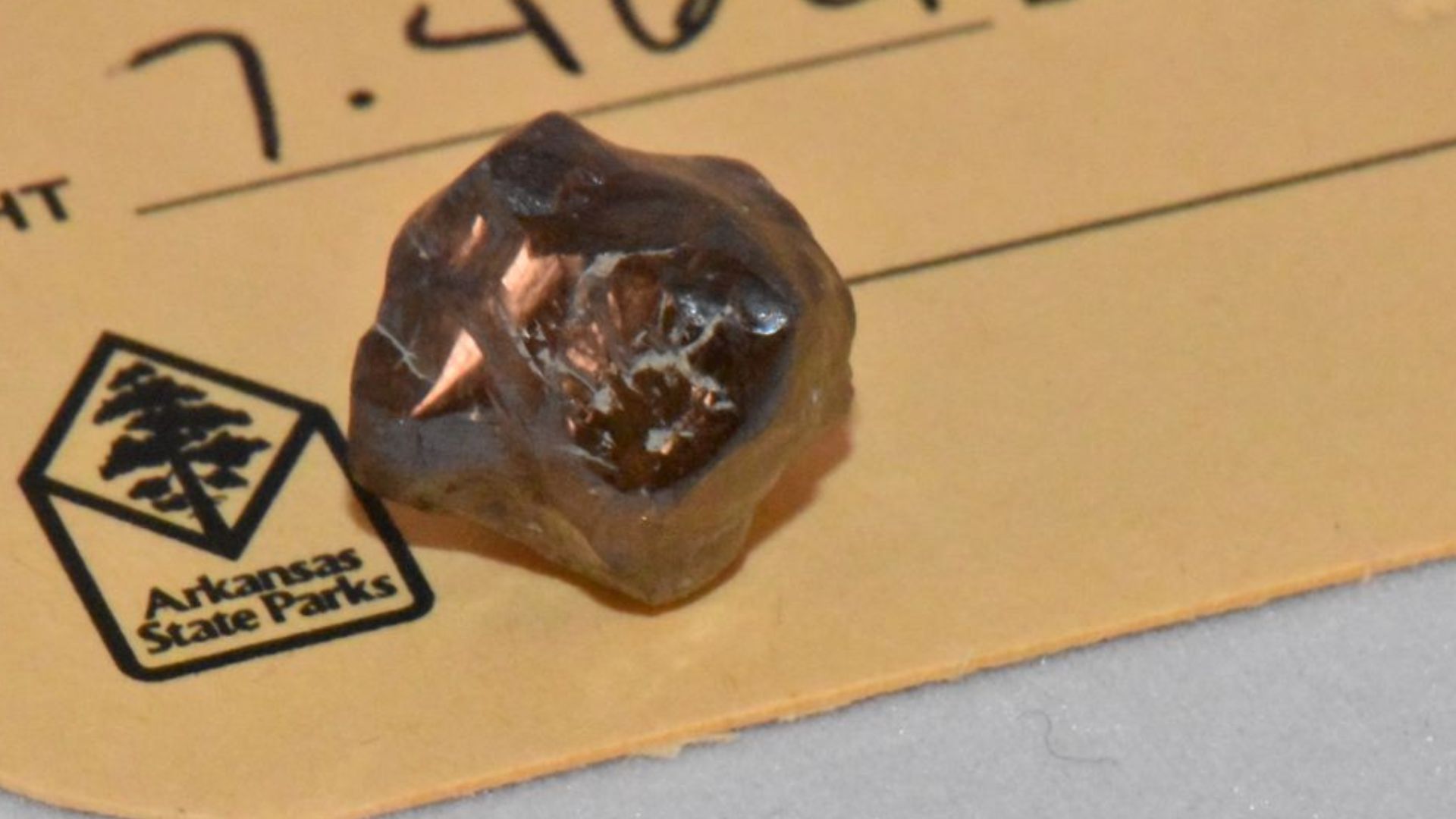
French tourist accidentally enters a volcanic crater in Arkansas and comes out with a 7.46-carat diamond: rare brown stone became the eighth largest find since 1972 in a park where visitors can keep the treasure they find.



The name chosen for the animal originates from a rather curious comparison. Divers in the region used to associate its appearance with a sesame seed. From this popular observation came the term sesama, incorporated into the scientific nomenclature of the new species.
Natural Conditions Challenged Scientists’ Work
Researching such small organisms was not a simple task. The coast of Keelung presents natural challenges that significantly reduce underwater observation opportunities throughout the year.
Frequent typhoons hit the region during the summer. Intense waves caused by monsoons make activities difficult during the winter. Temperatures below 16°C also limit diving periods. These conditions mean that researchers have only about four months a year to conduct field studies.
Locating organisms just a few millimeters in length requires planning, experience, and favorable environmental conditions. Each observation represents a rare opportunity to expand scientific knowledge about local marine life.

Species behavior reveals specific habits
Observations made by the team allowed the identification of important aspects of the routine of Thecacera sesama. Feeding, foraging, reproduction, and egg-laying are among the main activities recorded by the researchers.
All these actions occur on colonies of bryozoans, small aquatic invertebrates popularly known as moss animals. This environment functions simultaneously as a resource source and a place of permanence for the species.
An additional curiosity caught the scientists’ attention. The organism used as a habitat by the new sea slug may also represent a species not yet described by science.
Marine biodiversity of Taiwan still holds mysteries
The discovery also highlights the ecological importance of nudibranchs, the group to which Thecacera sesama belongs. These animals play relevant roles in the marine food chain and are known for the striking colors observed in different coral reef ecosystems.
Researchers emphasize that extremely small organisms can remain hidden for long periods, even in areas frequently visited by divers. New studies should expand knowledge about the biological diversity existing in the coastal waters of Taiwan.
How many other almost invisible species are still waiting to be discovered in the planet’s oceans?


Be the first to react!