






 Portuguese
  Spanish
  2 min of reading
  0 comments


Armored Train Built During The Cold War Found Abandoned On The Tracks Of Croatia; Structure Impresses With Improvisation And Resistance.
An armored train with heavy machine guns, covered with steel and concrete plates, was found stationary and rusty on the tracks of Croatia.
During the Cold War, the former Yugoslavia built imposing military structures to protect its territory. Today, some of these constructions remain intact, but completely abandoned.
Underground Base In Mostar
Among the highlights is an underground hangar in Mostar, built to house MiG-21 fighters. The structure was U-shaped, with separate entrances and exits. After the end of Yugoslavia, the base was left aside.
-
A 10-year-old girl in Manaus created a styrofoam buoy with a sensor to detect trash in streams, became the sole representative from Latin America in an international challenge in London, and turned the pollution she saw near her home into a sustainable invention.

-
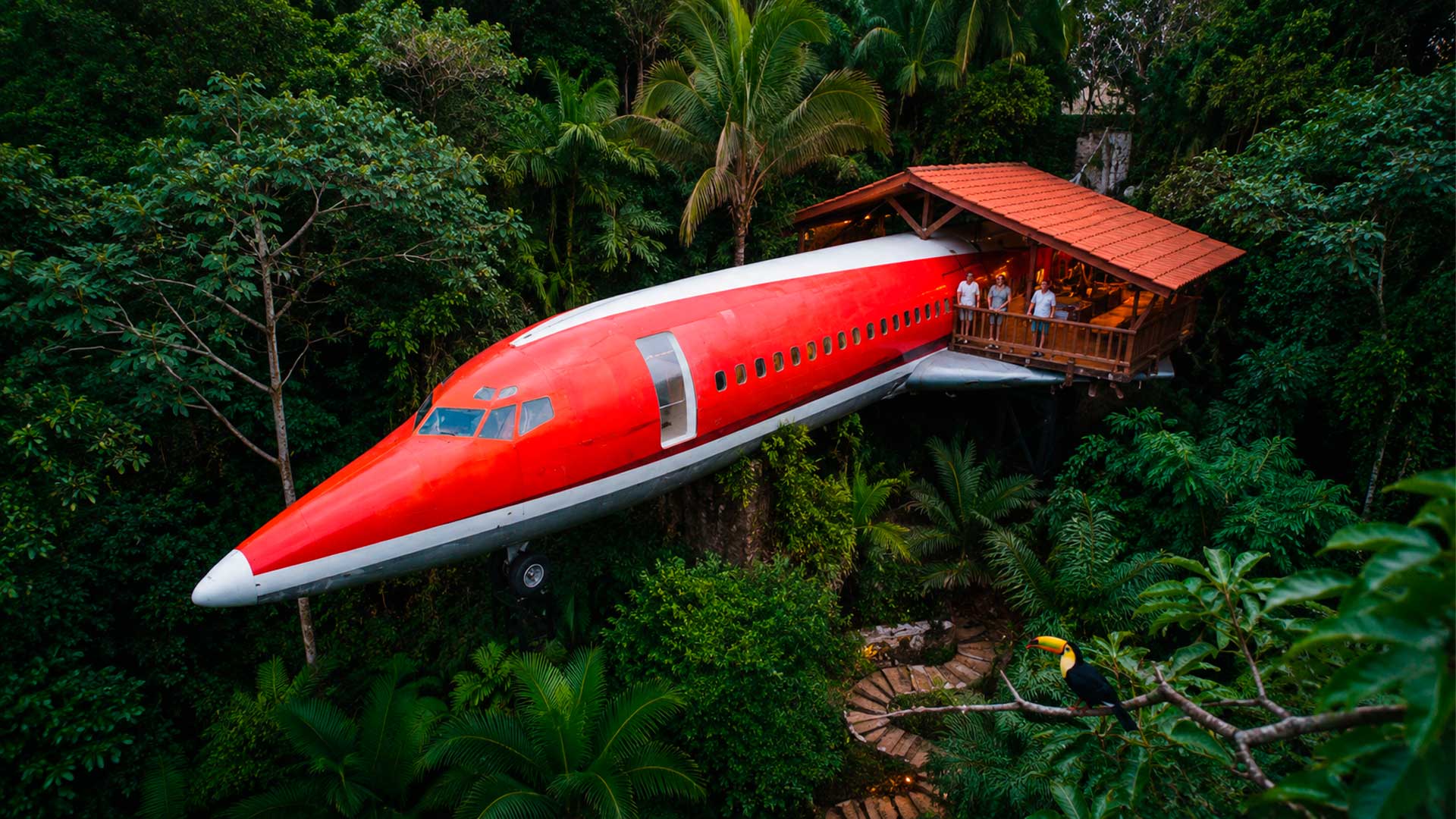
It was neither a crash nor abandonment; this retired plane left the airport in parts, crossed Costa Rica on trucks, and ended up becoming a suite in the heights with daily rates exceeding R$ 2,000.

-
She panicked when she saw her daughter fall from the crib; years later, she turned the experience into a factory generating R$ 9 million per year.

-
At 75 years old, João José de Carvalho, known as Mr. Janjão, was accepted for the second time by Sisu after overcoming distance, physical limitations, and years away from school, to fulfill his dream of studying Biological Sciences at UFPI.



The channel The Lost Trails recorded images of the area, revealing empty corridors and marks of time.
The Armored Train Of Split
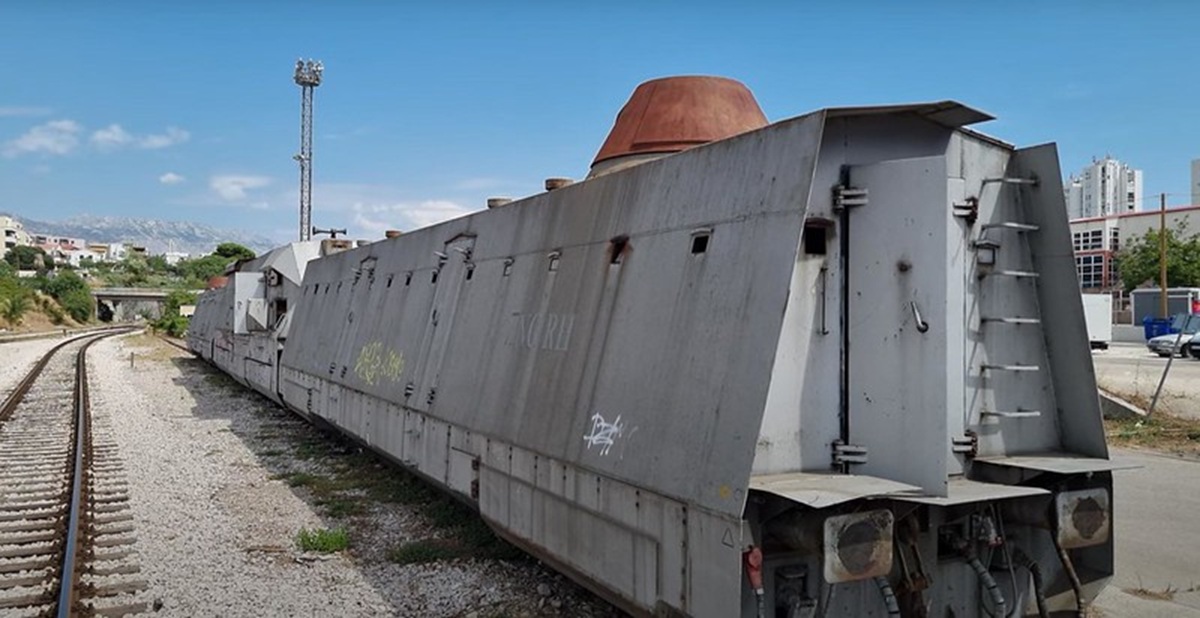
Another curious point is the armored train of Split in Croatia. It was hastily developed in 1991 by the Croatian Army, with support from the National Railway and the Brodosplit shipyard.
The EMD G26 locomotive and the cars were reinforced with steel plates up to 8 mm, applied over concrete layers up to 50 mm. The interior of the cars shows the improvised effort for protection. Despite the preparation, the train never saw combat.
The T-55 Tank
The tour ends with the T-55 tank, considered the most produced in military history, with about 95 thousand units. During the Yugoslav Wars, from 1991 to 2001, this model was used by various armies, with equipment inherited from the former Yugoslav Army.
The T-55 had a 100 mm cannon, in addition to a turret with limited internal space, shown in detail in the images recorded by the channel.
Even without current use, these structures remain visible landmarks of a period marked by tension.
Today, the empty tunnels, rusty cars, and abandoned tanks tell part of the region’s history with images that blend military past and silent abandonment.







Be the first to react!