Portuguese
  Spanish


The Trump Administration Plans to Revoke Environmental Protections in Alaska, Opening Millions of Hectares for Oil Exploration. Measure Reignites Debate Between Development and Preservation.
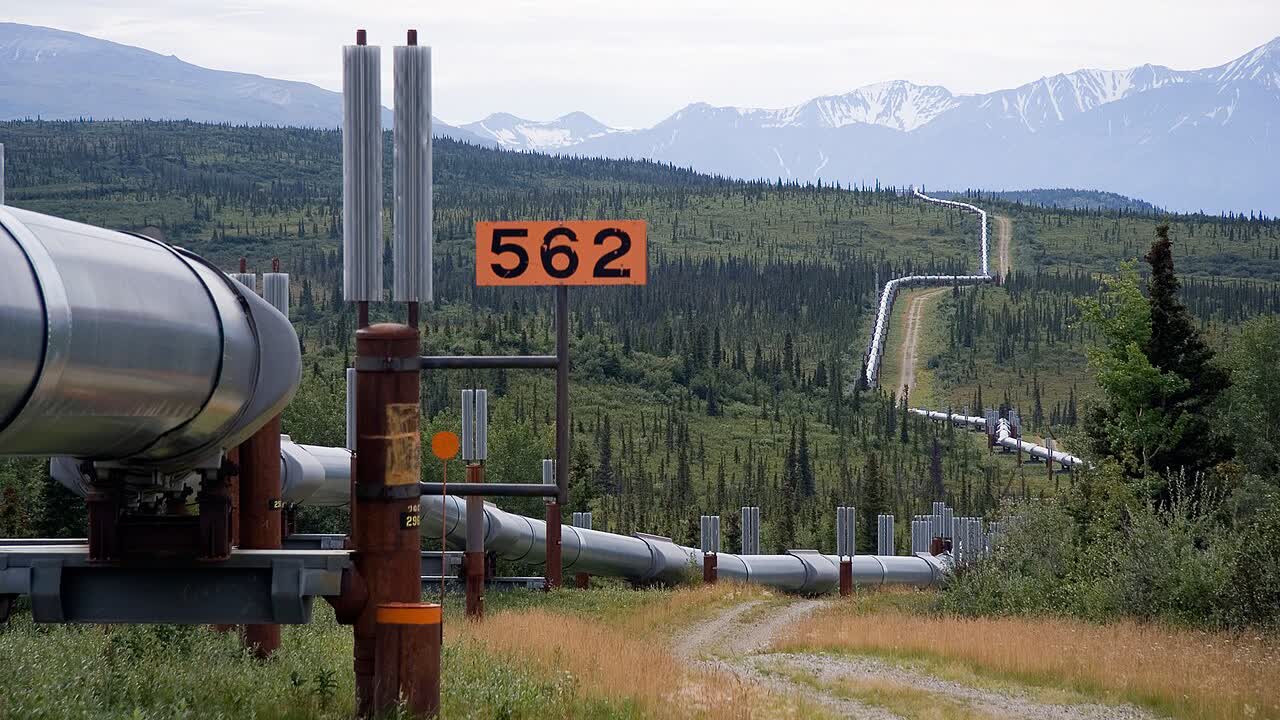
The administration of President Donald Trump announced plans to revoke federal protections that currently prevent oil drilling and mining in extensive areas of Alaska. The proposal directly impacts the Arctic National Wildlife Refuge, considered the largest area of public land in the United States, and seeks to reverse environmental standards established at the end of Joe Biden’s administration.
If implemented, the measure could open millions of hectares to the oil industry, reigniting an old conflict between natural resource exploitation and environmental preservation.
Arctic National Wildlife Refuge at the Center of the Debate
The area in question covers about 9.3 million hectares of preserved nature in northern Alaska and was originally designated by Congress as a strategic reserve for oil exploration.
-
OPEC+ Boosts Oil Supply by 188,000 Barrels per Day in July 2026, Leading to Price Drop from $112 to $89 per Barrel in Under Two Months

-
TotalEnergies Signs 20-Year Deal to Purchase 2 Million Tons of LNG from Alaska, Boosting Project Viability
-
Turkey Deploys Çağrı Bey Drilling Ship to Explore New Oil Frontier Off Somalia’s Coast
-
Golden Pass LNG Ships First Liquefied Gas Cargo from the U.S., Completing $10 Billion QatarEnergy and ExxonMobil Investment

In 2024, then-President Biden imposed drilling restrictions on more than half of the region, which, according to the current Trump administration’s plan, will be reviewed.
According to the United States Department of the Interior, Biden’s environmental rule “exceeds the agency’s statutory authority under the Naval Petroleum Reserves Production Act of 1976, conflicts with the purpose of the Act, and imposes unnecessary barriers to responsible energy development in the Arctic National Wildlife Refuge.”
Political Justifications: Energy as a Strategic Issue
According to the Trump administration, the refuge was created in response to the oil crisis in the 1970s, as part of an energy security strategy. Based on this, the Department of the Interior justified the revocation proposal as an attempt to restore this original purpose.
Interior Secretary Doug Burgum defended the proposal, stating:
“The 2024 rule ignored this determination, prioritizing obstruction over production and undermining our ability to harness domestic resources at a time when American energy independence has never been more crucial. We are restoring balance and getting our energy future back on track.”
Economy and Local Support Divide Opinions
The plan has been supported by figures in the energy sector, who see oil production as a fundamental base for Alaska’s economy. Energy Secretary Chris Wright commented on X (formerly Twitter):
“Oil production is the engine of economic growth in Alaska. It funds over 90% of the state’s overall revenue. Releasing American energy goes hand in hand with unleashing American prosperity.”
However, native communities in Alaska are divided over the impact of the plan. Nagruk Harcharek, president of the Voice of the Arctic Inupiat — an organization representing Inupiat groups in the North Slope region — stated:
“Often, federal decisions that affect our lands are made without involving the Inupiat of the North Slope, the people most affected by those decisions.”
Environmentalists React with Criticism of the Plan
Various environmental advocacy groups have expressed concern over the possible revocation of protection rules. Kristen Miller, executive director of the Alaska Wilderness League, warned:
“The Trump administration’s decision to revoke protections in the most ecologically important areas of the Western Arctic threatens wildlife, local communities, and our climate – all to appease extractive industries.”
Matt Jackson, from The Wilderness Society, also criticized the plan:
“This measure will accelerate the climate crisis at a time when the ground beneath Alaskan communities is literally melting, and subsistence foods are in decline.”
Trump’s Plan Follows Guidelines of Recent Executive Orders
The Department of the Interior emphasized that the proposal is aligned with Executive Orders EO 14153 (Unlocking Alaska’s Extraordinary Resource Potential) and EO 14156 (Declaring a National Emergency), issued by Trump in January.
According to the department, these orders emphasize the urgency of reversing restrictive policies that hinder economic growth and energy development, especially in Alaska.
With the plan to revoke environmental protections in Alaska, the Trump administration is resuming its policy of promoting fossil fuel production, in contrast to the conservation strategy adopted by Biden.
The proposal still needs to go through formal procedures to be enacted, but it is already provoking intense reactions in the environmental, energy, and social sectors.
The decision puts at stake the balance between economic growth, energy security, and the urgent need to protect fragile ecosystems in the face of climate change.
Source: Um Só Planeta