Portuguese
  Spanish


LG introduces robot vacuum cleaner with built-in station under the sink, 100°C steam, and fully automatic, hands-free cleaning.
In 2026, LG Electronics brought to the radar of CES 2026, in Las Vegas, a proposal that changes the logic of robot vacuums: the LG Robot Vacuum Cleaner with Built-in Station, a model with a built-in station designed to fit under the kitchen sink, removing one of the bulkiest parts of this type of equipment from the visible area. According to an LG statement released on November 6, 2025, the system received recognition at the CES 2026 Innovation Awards in the Home Appliances category for combining integrated design, advanced automation, and steam cleaning applied to both the robot and the station.
The technical differential lies in the level of automatic maintenance described by the CES Innovation Awards 2026 page itself: automatic water supply and drainage, mop washing and drying, cleaning solution dispensing, dust disposal, turbidity sensor to monitor mop dirt in real-time, and a 100°C steam system to deal with grease and sticky residues. The proposal is to transform the robot vacuum into an almost invisible home system, with minimal user intervention, automatic mop sterilization after each cycle, and navigation supported by an embedded chip capable of detecting dirt, objects, and environmental factors.
Continue reading below to understand how this built-in system works, why it represents a structural change in the segment, and what it reveals about the future of home cleaning.
-
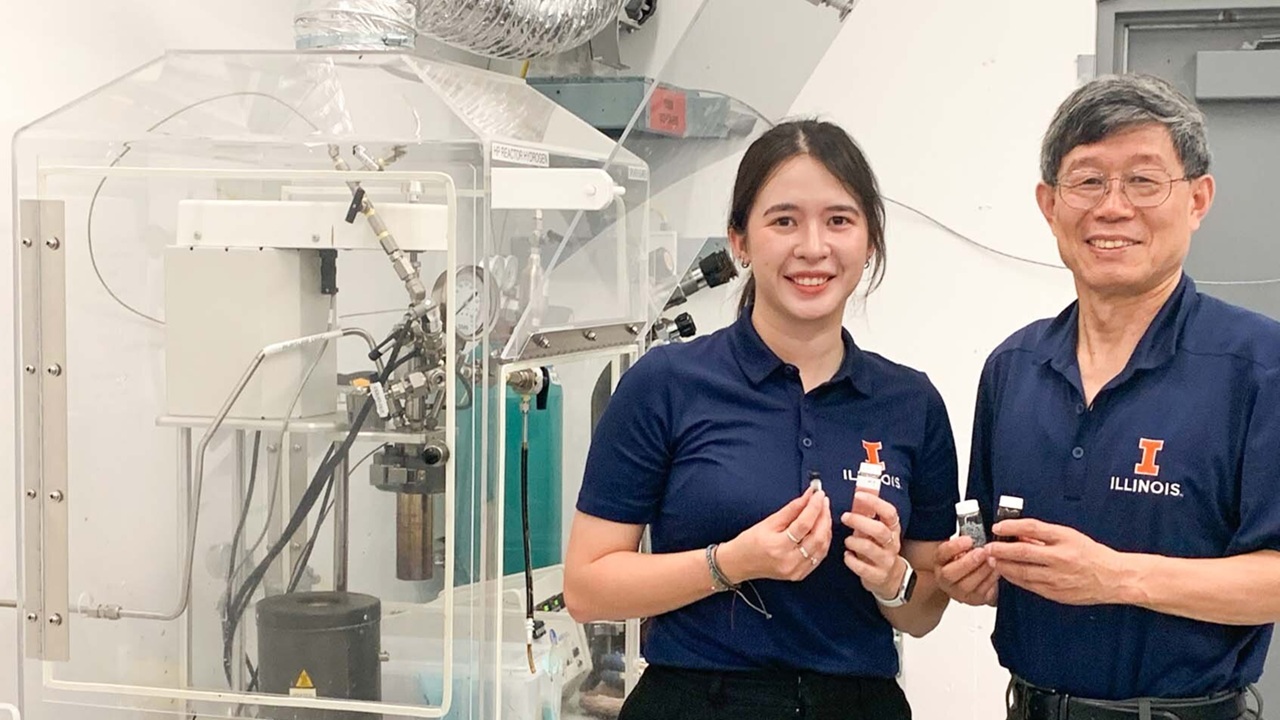
Scientists Convert Food Waste into Aviation Fuel, Successfully Test 50% Blend with Conventional Kerosene to Cut Emissions and Promote Sustainable Flights

-
OnePlus N6 Smartphone to Launch in India with 8,000mAh Battery and 45W SuperVOOC Charging, Lasting Up to Three Days
-
Scientists Plan to Release Air Bubbles Underwater to Protect Antarctica’s “Doomsday Glacier” from Melting

-
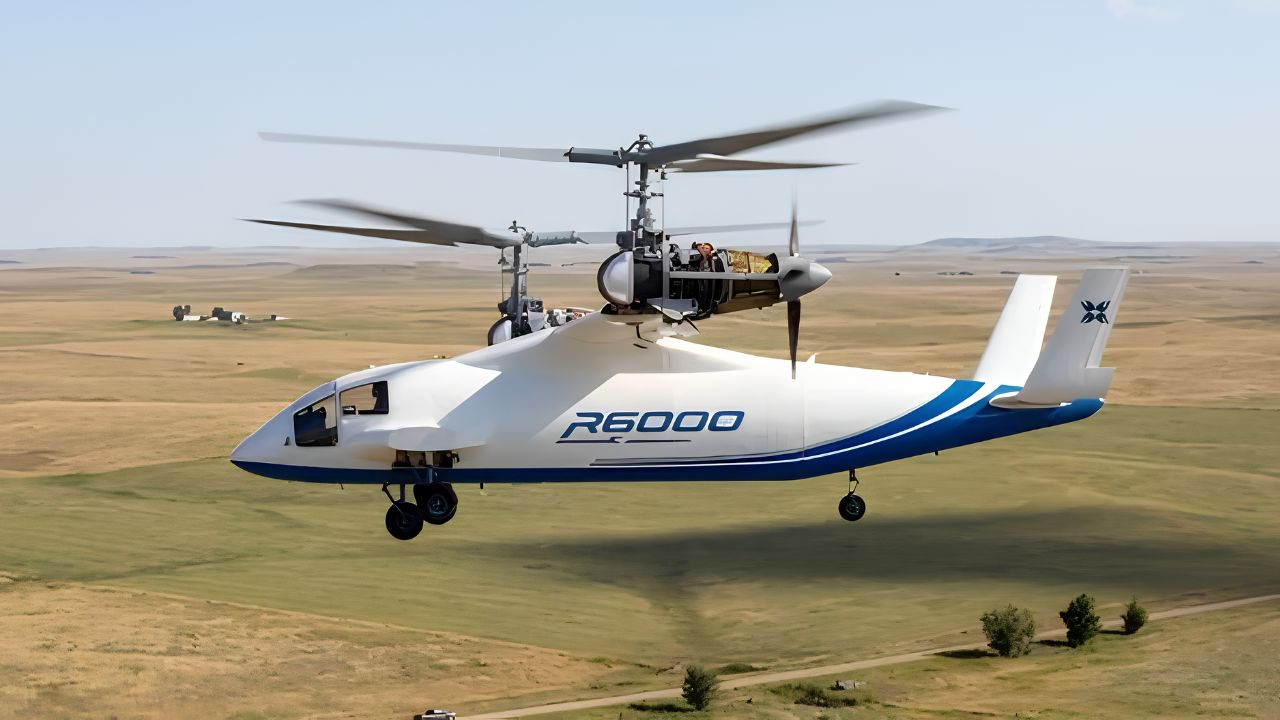
Chinese R6000 Drone Combines Airplane and Helicopter Features, Carries Up to 12 People for Multiple Missions


Built-in station under the sink eliminates visible towers and changes the concept of robot vacuums
One of the biggest differentials of the model is the location of the station. Unlike conventional robots, which use visible bases in the environment, LG’s system was designed to be installed under the kitchen sink.
This space is traditionally used for plumbing but is now utilized as the robot’s operational center.
In practice, this brings two important changes:
- elimination of visible equipment in the environment,
- integration of the system with the house’s hydraulic infrastructure.
The robot ceases to be an isolated device and becomes part of the residence’s structure.
Automatic drainage system eliminates the need to manually empty reservoirs
Integration with the plumbing network allows for a level of automation that does not exist in traditional models.
The system performs:
- automatic clean water intake,
- direct drainage of dirty water into the sewer.
This eliminates one of the most common tasks for robot vacuum users with mops: manually emptying and refilling reservoirs. Cleaning becomes continuous and practically autonomous, without the need for frequent intervention.
100°C steam removes heavy dirt and sterilizes the mop after each cycle
Another relevant technical point is the use of high-temperature steam. The system uses steam up to 100°C to:
- remove grease and dirt adhered to the floor,
- disinfect surfaces,
- sterilize the mop after use.
This feature increases cleaning efficiency compared to systems that use only water or detergent.

Furthermore, it reduces the proliferation of bacteria in the equipment itself. The mop is no longer just a damp cloth and now acts as a thermal cleaning tool.
Automatic mop washing and drying reduce maintenance and prevent odors
After each cycle, the robot automatically returns to the station for maintenance. The system performs:
- mop washing,
- waste removal,
- complete drying.
Drying is essential to prevent odors and microorganism growth. This process occurs without user intervention.
Turbidity sensor monitors dirt level and adjusts cleaning in real-time
The model incorporates sensors that analyze the water used for cleaning. The turbidity sensor measures the level of dirt present on the mop.
Based on this data, the system can intensify cleaning, repeat cycles in dirtier areas, and adjust water and cleaning solution usage.
This type of monitoring transforms cleaning into a data-driven process, not just based on pre-defined time.
Automatic dust disposal system extends robot autonomy
In addition to wet cleaning, the robot also performs traditional vacuuming. The built-in station features an automatic dust collection system.
The accumulated dust is transferred to a larger compartment within the station. This reduces the frequency of manual emptying.
This set of technologies creates a new operating concept. The user does not need to:
- refill water,
- empty reservoirs,
- wash the mop,
- constantly monitor the robot.
Cleaning now occurs automatically and integrated into the home’s routine. The system operates in the background, without interfering with the user’s daily life.
Trend points to home appliances integrated into the house’s infrastructure
LG’s robot is not just a new product. It represents a broader trend. Home appliances are becoming directly integrated into the residence’s infrastructure. This includes:
- connection to plumbing system,
- optimized electrical integration,
- connection to smart systems.
The home ceases to be just a space where devices are used and becomes an automated system.
LG bets on structural innovation to differentiate product in competitive market
The robot vacuum market already features several advanced models. However, most still rely on constant user interaction.
LG attempts to differentiate itself by eliminating this dependency. The proposal is not to improve the existing robot, but to completely change how it integrates into the home.
Now the direct question arises: if cleaning can become totally invisible and automated with integration into the home’s structure, how long until other home appliances follow the same path and completely transform daily domestic routines?