





 Portuguese
  English
  Spanish
  3 min of reading
  0 comments


Scarab carved in Libyan Desert glass unites archaeology, geology, and one of the greatest mysteries about cosmic impacts ever studied in the Sahara
Among the numerous treasures discovered in the tomb of Tutankhamun, one object stands out for its unusual origin. At the center of an elaborate funerary pectoral is a scarab carved in Libyan Desert Glass, a rare material that continues to spark scientific debates more than a century after its modern discovery.
Archaeological records show that the glass was valued by the ancient Egyptians due to its unique appearance. Yellowish, golden, and greenish tones attracted attention in a region where such pure materials were extremely uncommon.
Material found in the Sahara has an unusual composition
Large concentrations of this glass have been identified in desert areas located between Egypt and Libya. Researchers observed that the material exhibits exceptional levels of silica, a characteristic rarely found in natural formations.
-
Translucent creature with black and yellow spots appears on the coast of Taiwan, earns the nickname “sesame seed,” and enters science.

-
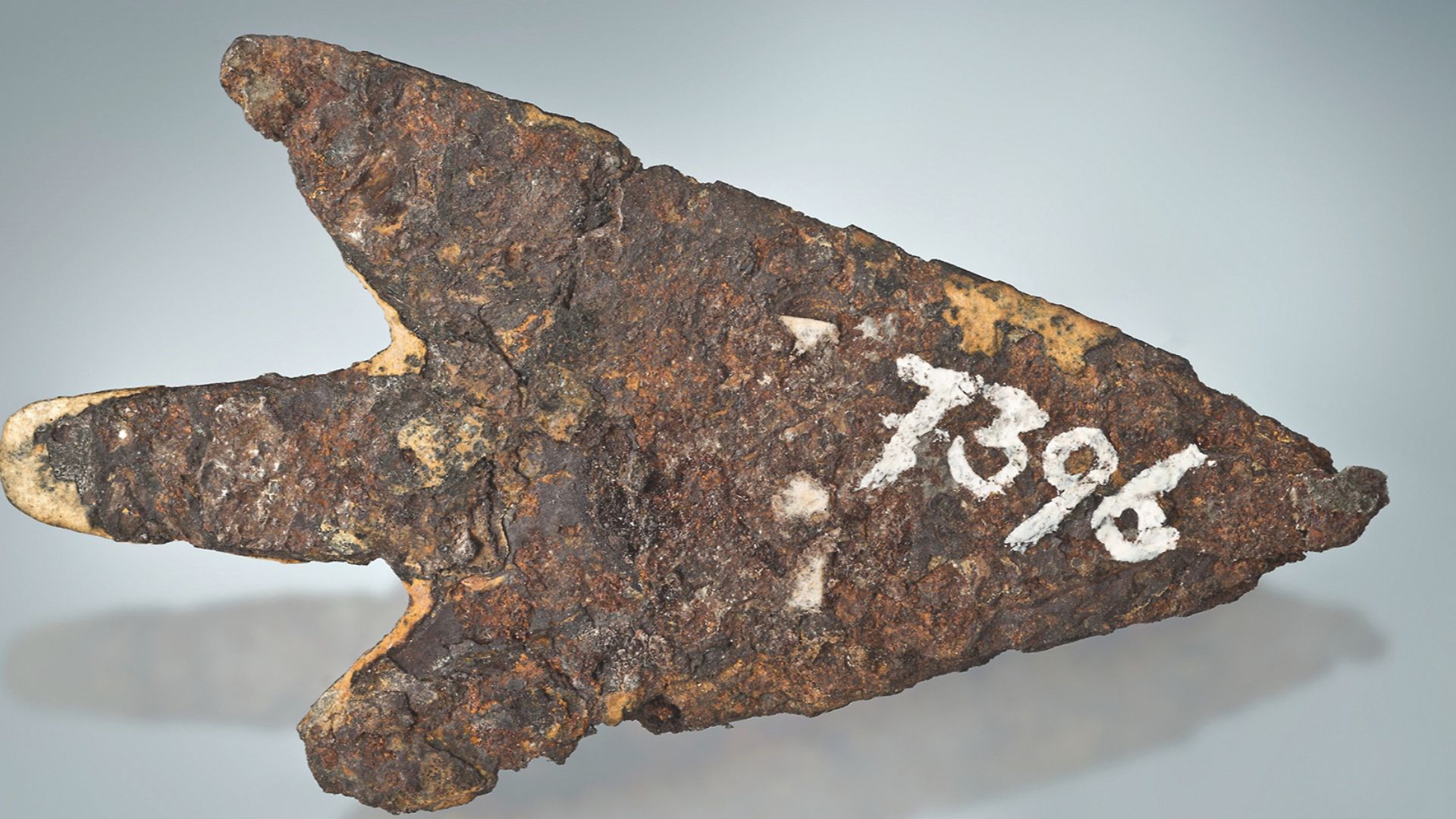
A 2.9-gram arrowhead found in Switzerland concealed a secret from space: analyses revealed high nickel content and showed that the nearly 3,000-year-old artifact was forged from meteorite iron that may have traveled over 1,600 km before becoming a prestigious object in the Bronze Age.

-
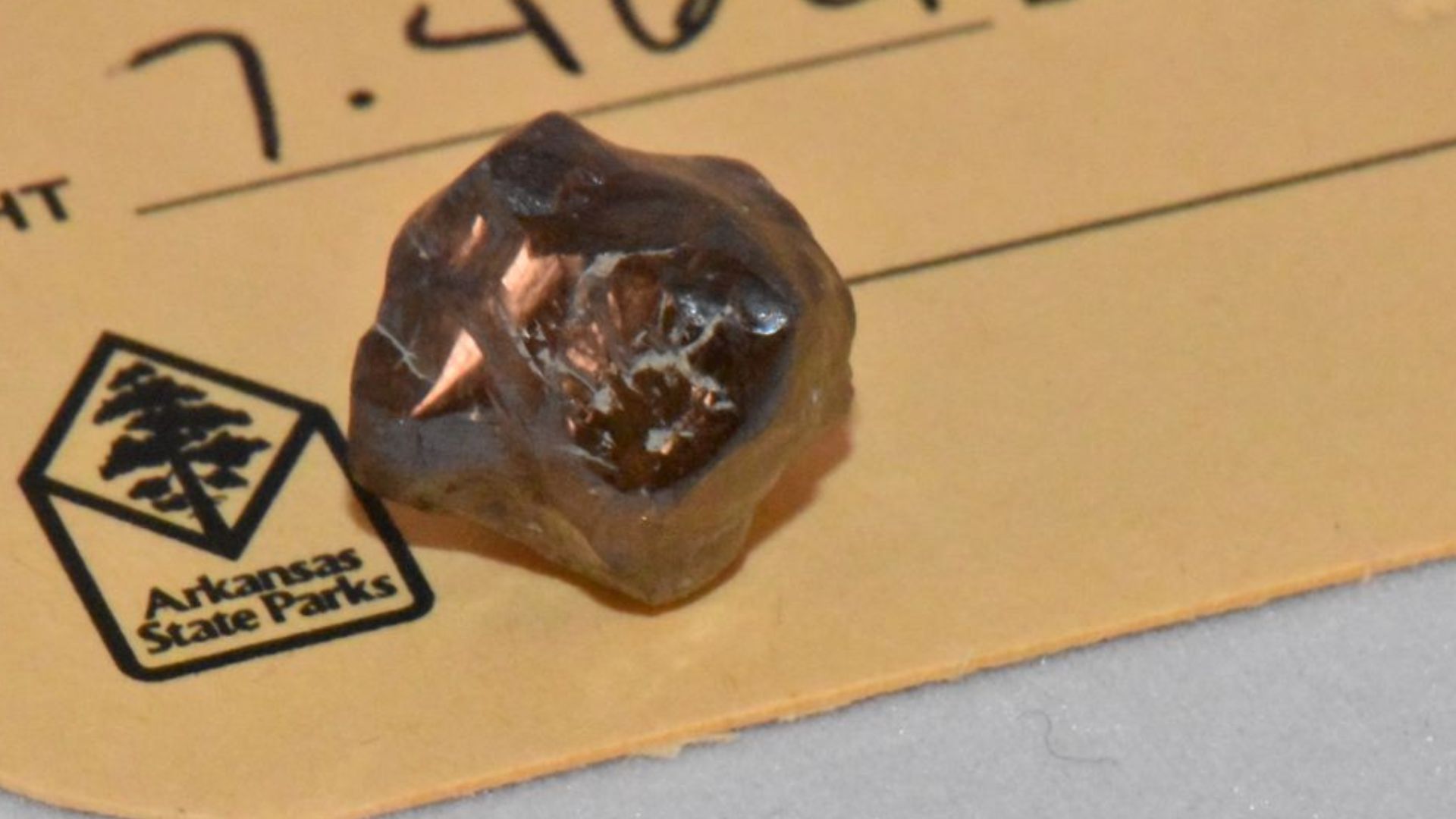
French tourist accidentally enters a volcanic crater in Arkansas and comes out with a 7.46-carat diamond: rare brown stone became the eighth largest find since 1972 in a park where visitors can keep the treasure they find.
-
Without a brain, without teeth, and without haste, this carnivorous plant from California tricks wasps with special nectar before choosing which prey to devour.


Geological studies conducted over the past decades have sought to explain its origin. Hypotheses involving volcanic activity initially gained ground. Explanations related to atmospheric explosions caused by meteors were also considered by experts.
Discovery of the tomb in 1922 increased scientific interest
The international fame of the material increased after the discovery of Tutankhamun’s tomb, carried out in 1922 by British archaeologist Howard Carter.
Among the funerary artifacts found was the famous pectoral decorated with the scarab carved from this rare glass. The piece quickly became one of the most emblematic images associated with the young pharaoh.
Scientific and archaeological interest began to grow continuously. Researchers sought to understand how such an unusual material had been formed and subsequently used by the artisans of Ancient Egypt.
Rare mineral strengthens theory about cosmic impact
More recent research identified microscopic traces of reidite in the glass, a mineral that only forms under extremely high pressures.
The presence of this mineral led scientists to strengthen the hypothesis that the material was created after the impact of a large celestial body against the Earth’s surface.
Estimates indicate that this event occurred approximately 29 million years ago. Energy released by the collision would have instantly raised the temperature of the desert sand to thousands of degrees Celsius.
Extreme heat fused large amounts of silica. Rapid cooling transformed this material into glass, spreading fragments over vast areas of the Sahara.
Historical value goes far beyond geology
The importance of Libyan Desert Glass is not restricted to science. Experts highlight that the artisans of Ancient Egypt were able to identify, collect, and transform this rare material into sophisticated jewelry.
The symbolism of the scarab also plays a significant role. In Egyptian culture, the insect represented rebirth, transformation, and renewal of life, concepts deeply linked to the funerary beliefs of that period.
The piece found in Tutankhamun’s tomb remains one of the most fascinating examples of the union between artisanal knowledge, religious symbolism, and possible traces of a cosmic event that occurred millions of years before the rise of Egyptian civilization.
The mystery surrounding the origin of this glass continues to attract researchers. How many other ancient objects might still hold evidence of events that transformed Earth’s geological history?



Be the first to react!