






 Portuguese
  Spanish


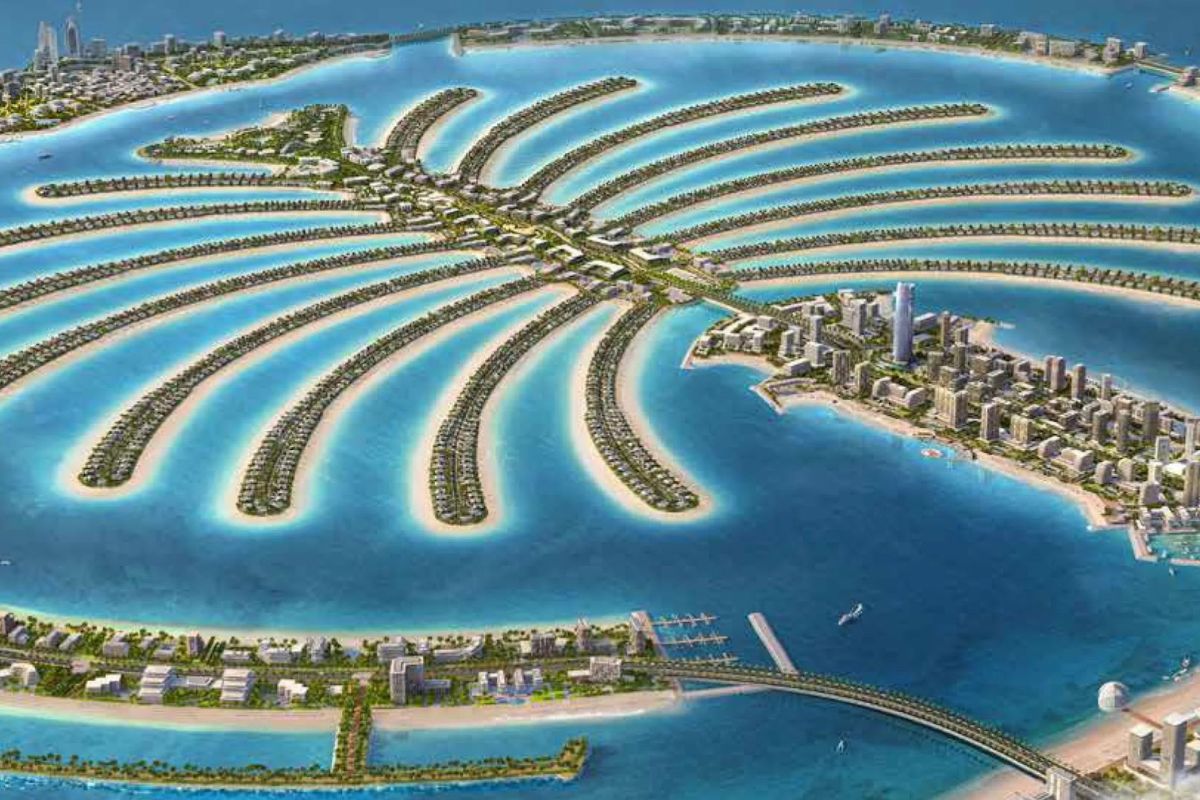


The $12 Billion Artificial Island Built in the Shape of a Palm Tree Expanded Dubai’s Coast by 56 Km, Required 85 Million M³ of Dredged Sand, and Consolidated a New Urban Map with Hotels, Residences, and a Breakwater to Protect the Whole Structure.
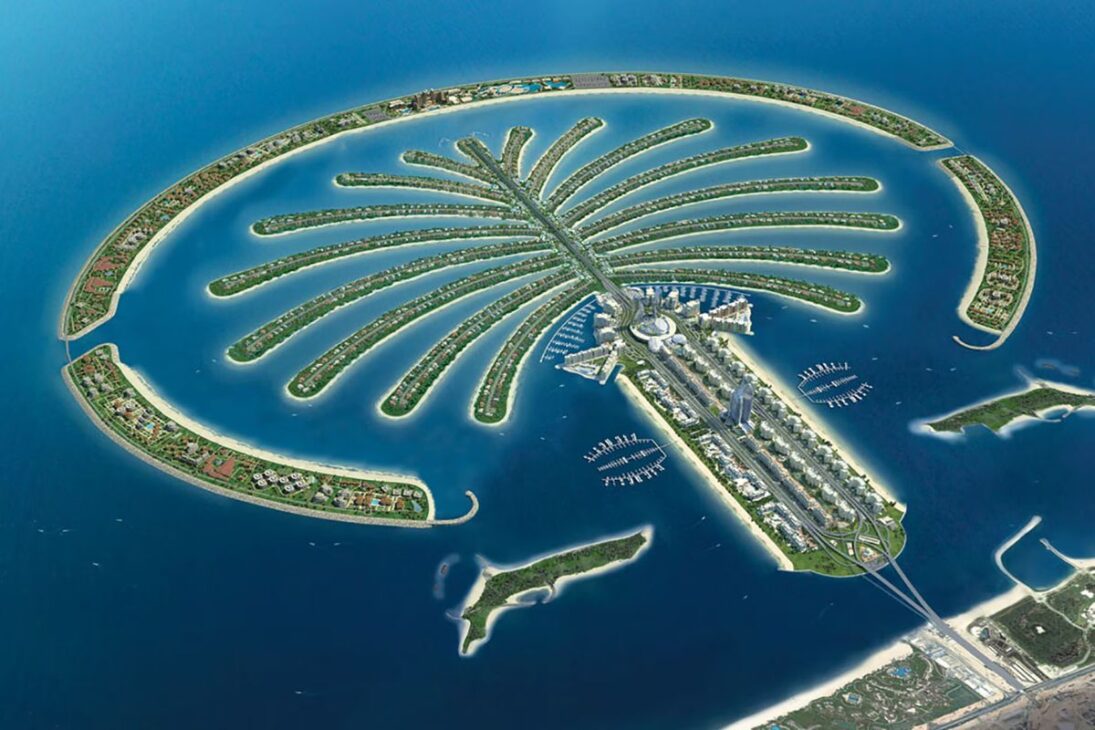
The $12 Billion Artificial Island, Palm Jumeirah, which Redefined the Persian Gulf, Was Designed to Create Land Where There Was Once Sea, Merging Dredging, Geotechnics, and Urban Planning into a Single Megaproject. In Just Five Years, from 2001 to 2006, the Project Raised a Trunk, 17 Fronds, and a Crescent-Shaped Protective Ring, Adding 56 Km of New Waterfront to Dubai.
More than a Tourist Icon, the Complex Became a Showcase of Coastal Engineering. The Strategy Was to Transform Sand and Rock into Resilient Urban Infrastructure, Using GPS-Guided Positioning, Settlement Monitoring, and a Breakwater to Block Waves and Currents, Reducing Erosion and Ensuring Navigability Internally.
Why Create an Island and How Much Did It Cost
The Central Objective Was to Expand the Offer of Waterfront for Housing and Hospitality in a Territory with Limited Coastline, Enabling New High-End Districts.
-
The happiest city in Brazil is located in the interior of São Paulo, boasts high employment, and has become the dream of thousands seeking safety, opportunities, and a better life.

-
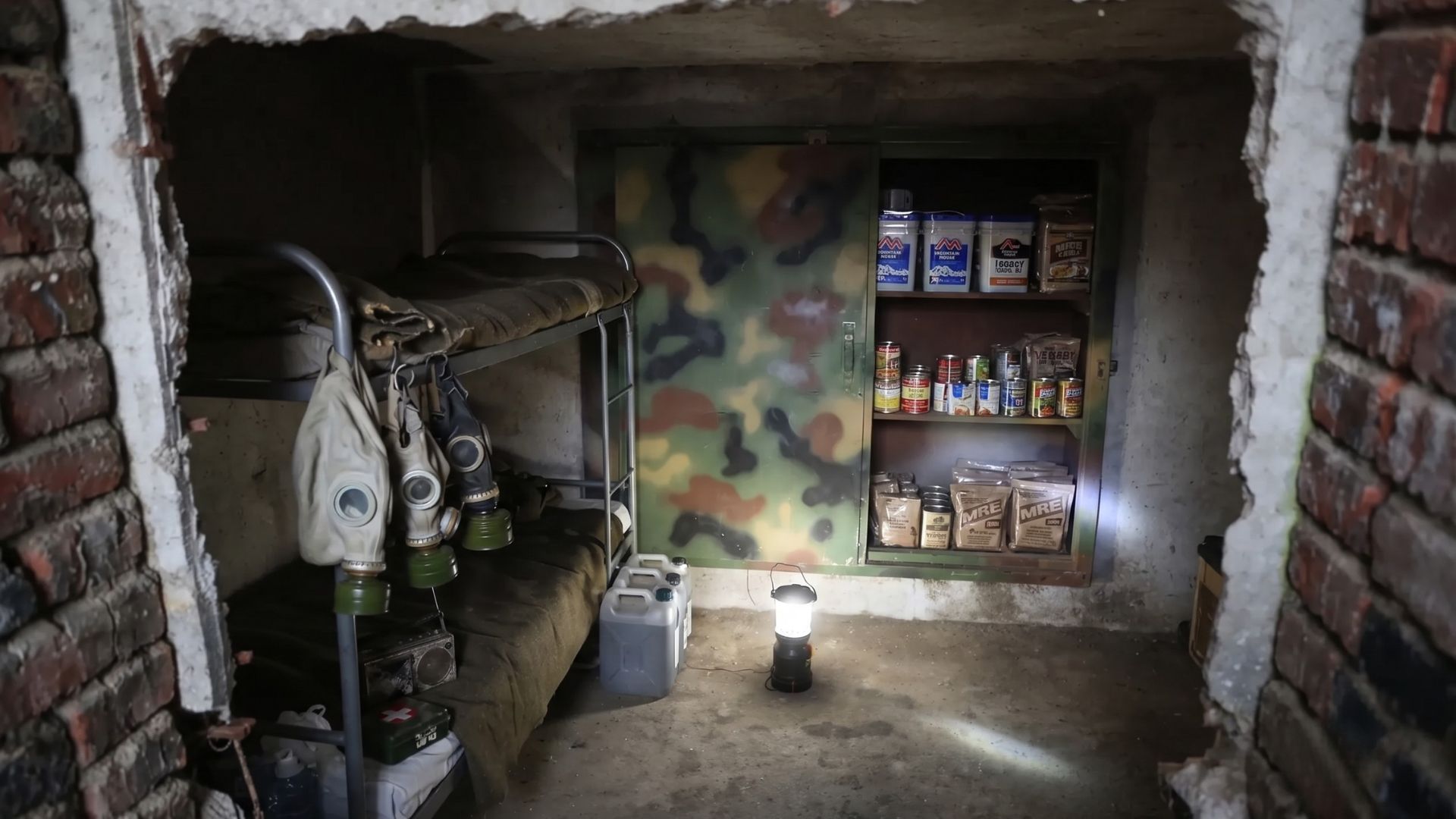
Family buys house from former survivalist, finds false doors, hidden underground bunker, beds, gas masks, and secret food storage behind camouflaged panels.
-
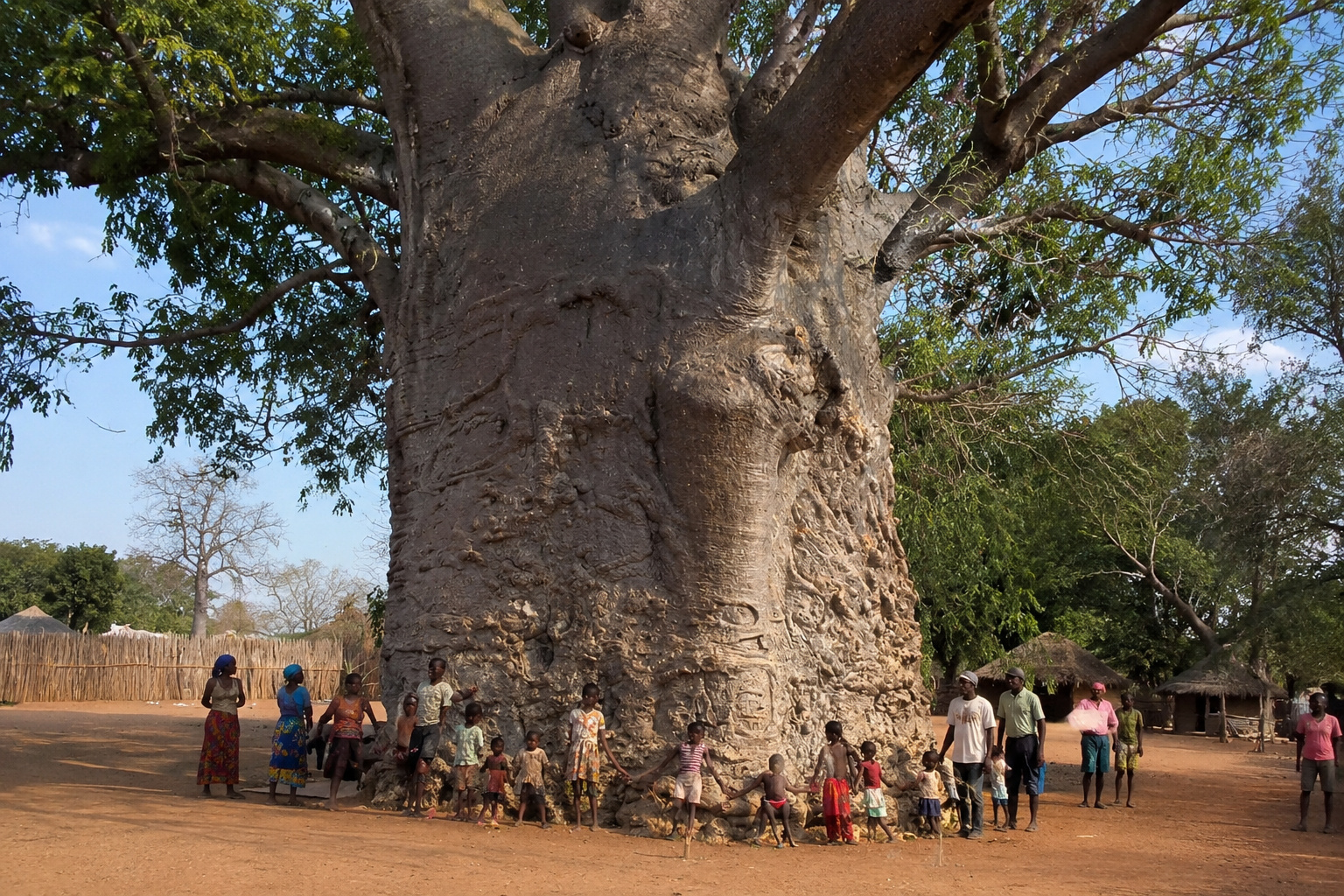
Few people know, but there is a 2,000-year-old tree in South Africa that “roars” when the wind blows through its branches and stores up to 4,500 liters of water in its trunk, becoming a source of life for the community.

-
Neto took refuge on the family farm in the hinterland of RN, found 2,000 surviving coffee plants from a plantation his grandfather had planted in the 1980s, revived the production, added 8,000 seedlings, and harvested 40 sacks of specialty coffee in a region marked by water scarcity.


The Total Investment Amounted to $12 Billion, Covering Land Reclamation, Base Infrastructure, and Initial Deployment of Residences, Hotels, and Services.
By Transforming Sea into Buildable Land, the Project Delivered a Rare Product: Lots with Private Beaches and Controlled Access, Linking Revenues from Sales, Rentals, and Tourism.
The Scale of the Project Is Justified Only with Corresponding Economic Density, Anchored by High-Value Hospitality and Residential Brands.
How Engineering Shaped the Palm Tree in the Sea
Construction Began with the Dredging and Controlled Placement of 85 Million m³ of Sand, Guided by Positioning Systems to Precisely Reproduce the Palm Tree Design.
The Layout Consolidated A Central Trunk and 17 Fronds, Connected by Bridges and Internal Roads for Residents and Services.
To Contain the Open Sea, a Crescent-Shaped Breakwater Was Erected Around the Palm Tree.
This Barrier Reduces the Energy of Waves and Currents, Protecting Slopes and Artificial Beaches.
The Set Was Calibrated to Minimize Erosion and Siltation in the Internal Basins, Maintaining Navigable Channels and Bathing Areas.
Logistics, Timelines, and Execution Milestones
The Timeline Progressed Between 2001 and 2006, with Parallel Fronts of Dredging, Containment, and Basic Urbanization.
The Work Required a Fleet of Dredges, Barges, and Large Cranes, as Well as Continuous Bathymetric Monitoring to Verify Volumes, Elevations, and Stability of the Fill.
Once the Macro-Infrastructure Was Completed, the Phase of Urbanization, Networks, and Buildings Followed.
Referential Hotels and Condominiums Occupied the Trunk and Fronds, While the Crescent Hosted Resorts with Double Fronts to the Sea and to the Internal Lagoon.
The Real Estate Activation Was Essential to Close the Financial Equation of the Megaproject.
Coastal Performance and Maintenance
Long-Term Stability Depends on Morphological Management of the System.
The Crescent Design Functions as First Defense, but Periodic Beach Reshaping and Slope Adjustments Are Part of the Operational Cycle to Maintain Usable Width of Sand and Mitigate Losses from Storms.
Structurally, Roads, Bridges, and Buried Networks Were Sized for Controlled Differential Settlements.
The Durability of the Shores and Slopes Involves Protection with Riprap, Geotextile Filters, and Underwater Inspection Routines, Forming an Invisible Layer of Maintenance that Sustains Daily Use.
Environmental Impacts and the Sustainability Debate
The Project Initiates an Inevitable Discussion: Land Generation Versus Ecological Cost.
Dredging Alters Marine Habitats, Resuspends Sediments, and Modifies Current Patterns.
Thus, Environmental Monitoring Plans and Mitigation Measures Have Become Critical Components, from the Construction Period to Operation.
At the Same Time, Lean Coastal Cities with Developable Land View the Island as a Model of Premium Expansion.
The Dilemma Remains: The Economic and Urban Equation Is Powerful, but The Environmental Footprint Requires Ongoing Governance, Data Transparency, and Commitment to Coastal Resilience.
What Makes the Palm Tree Function as a City
In Daily Use, the Palm Tree Integrates Road Access, Marinas, Water and Sewer Networks, Electricity, and Telecommunications in a Closed Layout, Balancing Privacy with Public Enjoyment in Designated Areas.
The Logic Is of a Planned Neighborhood with Curation, Blending Residences, Hotels, Retail, and Leisure within Walkable Distances.
The Urban Reading Is Clear. The Trunk Concentrates Services and Flows, the Fronds Prioritize Low to Medium-Density Residential Use, and the Crescent Houses the Hotel Strip of Highest Exposure.
This Gradation Helps to Organize Traffic, Views, and Noise, Preserving the Value of Real Estate Assets.
Essential Specifications
Total Cost Approximately $12 Billion
Construction Period Between 2001 and 2006
Volume of Dredged Sand 85 Million m³
Coastline Increase of 56 Km
Geometry with Trunk, 17 Fronds, and Crescent-Shaped Breakwater
The $12 Billion Artificial Island in the Shape of a Palm Tree Is a Rare Synthesis of Coastal Engineering, Urban Planning, and Real Estate Market.
Creating Land from the Sea Expanded Dubai’s Coastline and Redefined Its Global Positioning, But Also Imposed Environmental and Maintenance Obligations That Last for Decades.
The Legacy Will Be Measured by Both the Beauty of the Beaches and the Ability to Manage Impacts and Maintain the Resilience of the System.
In Your Opinion, Should Projects of This Scale Prioritize Real Estate Expansion or Stricter Environmental Goals, Even if They Slow Down Construction?


As Joias são muito bonitas, mas o preço já está com frete incluso?
É pena que… Está afundando…
Por isso que muitas ilhas e costas tão sendo invadidas pelo mar,onde Omar não si em entra aí precisa entra em outro lugar aí onde **** tudo aquela quantidade de Aqua q seria lá vai pra outro lugar.