






 Portuguese
  Spanish


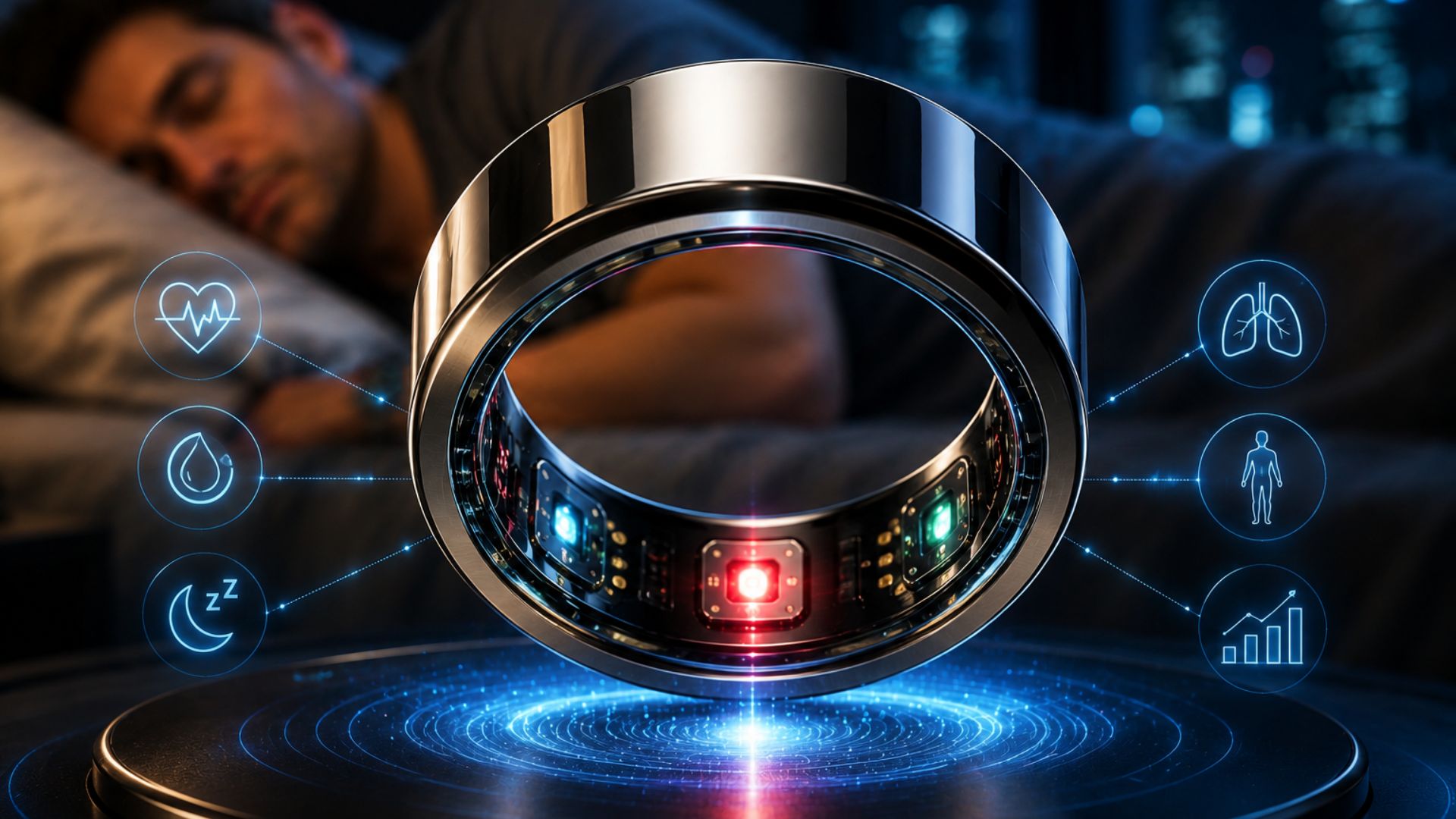

New Oura smart ring arrives with radically thinner design, improved sensors, and the most anticipated feature in the wearables market: blood pressure monitoring during sleep.
The health wearables market has gained a new protagonist with the launch of the Oura Ring 5, the latest version of the smart ring from Finnish company Oura, which comes with profound changes compared to the previous model, both in design and monitoring capabilities, repositioning the product as one of the most advanced continuous health tracking tools available to the average consumer.
The main design difference is the radical size reduction: the Oura Ring 5 is 40% smaller than the Ring 4, measuring just over 6 mm in width and only 2.3 mm in thickness, dimensions that transform the ring into a discreet enough accessory to be worn in social and professional situations without any visual strangeness or noticeable discomfort in daily life.
The titanium construction maintains the premium durability that characterized previous models in the line, but the curvature has been adjusted to be smoother, reducing friction with the skin throughout the day and making prolonged use more comfortable, an aspect that ring-type wearable manufacturers have identified as one of the main reasons for product abandonment by users.
-
Californian gives up on buying a house, purchases a roughly 1-hectare island for $31,000 in Finland, learns construction from scratch, and begins building a refuge without running water or electricity.

-
A 3-year-old deaf student received the first white belt in Jiu-Jitsu and understood the achievement because the teacher learned Libras to communicate with him, in a video that surpassed 7 million views and moved social media by showing inclusion happening on the mat.

-
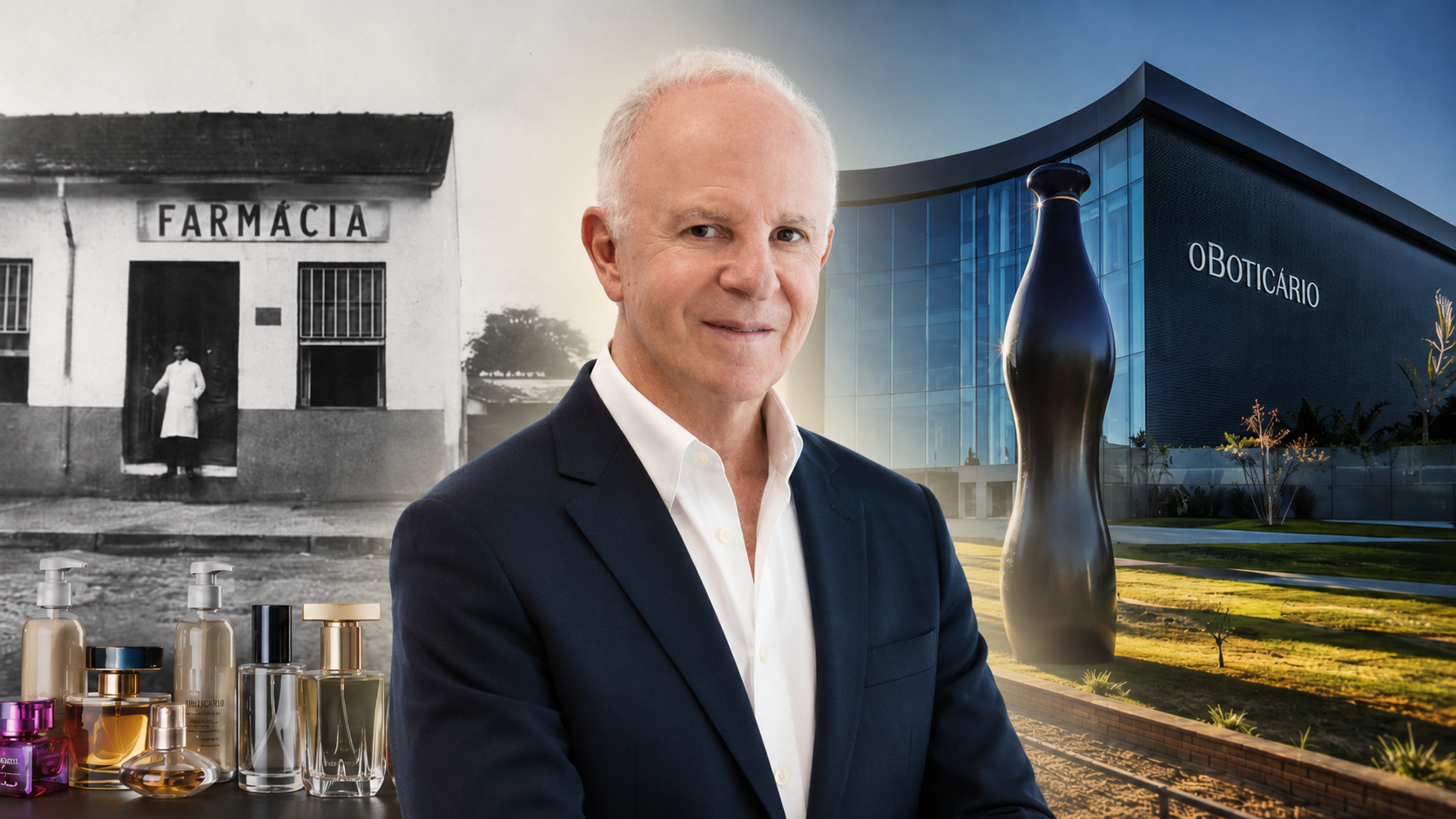
Miguel Krigsner opened a small compounding pharmacy in Curitiba in 1977, turned Brazilian fragrances into a national success, and created O Boticário, now one of the largest beauty networks in the world.

-
Meet the charming parrot grandpa, who became known for hugging free birds and revealed how he gained their trust over the years.



The device features IP68 certification, ensuring complete protection against dust and water immersion, making it suitable for use during swimming, bathing, and other activities involving liquid contact, and is available in sizes ranging from 6 to 13, covering a wide range of finger measurements for different user profiles.
Oura has also made a significant update to the internal sensors of the Ring 5, with more powerful LEDs and improvements in signal processing that, according to the company, result in more consistent readings across different skin tones and finger shapes — a sensitive point in the sector, as previous studies have pointed out variations in the accuracy of optical wearables on darker skin tones.
Blood pressure monitoring is the big leap of the version
The feature that generated the most anticipation before the launch is the blood pressure monitoring during sleep, a functionality that places the Oura Ring 5 in a select group of wearable devices capable of offering this type of continuous measurement without the need for a traditional cuff.
The function will initially be available in only three markets: United States, India, and United Arab Emirates, a selection that reflects both specific regulatory requirements of each country and Oura’s strategy to launch the feature gradually, collecting real usage data to improve accuracy before a broader expansion to other markets.
Blood pressure measurement by cuffless wearable devices is one of the most contested frontiers in the healthtech sector, with companies like Samsung and Apple also heavily investing in the development of this technology for their smartwatches, making the Oura Ring 5 one of the first ring products to enter this race concretely and with commercial availability.
In addition to pressure monitoring, the Ring 5 offers nightly breathing reports and a new system called “Health Radar,” designed to identify relevant changes and patterns in the user’s health over time, functioning as a sort of digital sentinel that alerts to variations that may indicate the onset of illness processes before symptoms become evident.

Battery, metrics, and the Oura health ecosystem
The Oura Ring 5 supports more than 50 health and physical activity metrics, ranging from basic indicators like heart rate and heart rate variability to specific monitoring of sports modalities like running, cycling, and weightlifting, with algorithms trained to automatically recognize the type of activity being performed.
The battery promises a duration between 6 and 9 days per full charge, a number that places the Ring 5 at an advantage compared to most smartwatches on the market, which rarely exceed two or three days, and which is especially relevant for sleep monitoring, as the ring needs to be charged during the night to capture the most valuable health data.
A full recharge takes up to 80 minutes, a time considered reasonable for a device of this category, and Oura maintains the proprietary magnetic charger that already accompanied previous models, ensuring a smooth transition for users who are already part of the company’s ecosystem and are considering upgrading to the new model.
Oura has built a solid reputation over the past few years in the health-focused wearables segment, especially among users interested in sleep data, recovery, and overall well-being, and the Ring 5 represents a clear bet on the idea that the ring is the ideal format for continuous biometric data collection, due to its discretion, comfort, and ability to capture quality physiological signals throughout the day and night.


