





 Portuguese
  English
  Spanish
  4 min of reading
  0 comments


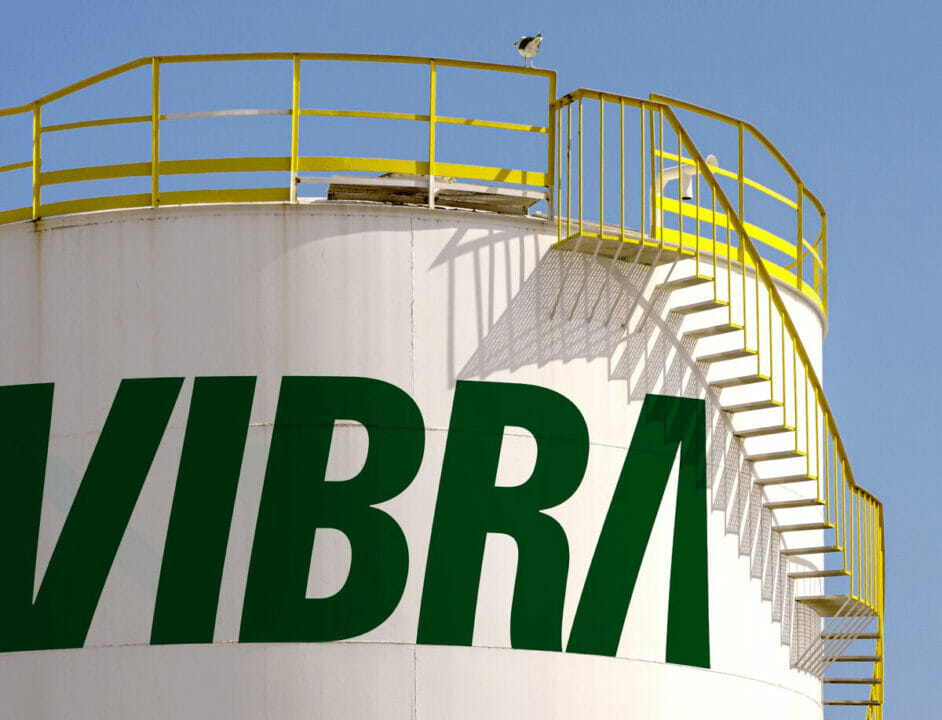
Vibra’s Commercial VP Highlights The Importance Of Regulation For The Growth Of The Low-Carbon Solutions And E-Mobility Industry, Citing National Goals And Incentives.
RIO – Ensuring the decarbonization of Vibra Energy is crucial for Brazil to meet its emissions reduction targets. According to the company’s B2B Commercial Vice President, Bernardo Kos Winik, it is essential to establish rules that foster decarbonization both domestically and on the international stage.
Vibra has been working to promote environmental sustainability through environmental measures aimed at reducing carbon emissions. The company is committed to carbon neutrality and carbon mitigation to ensure a cleaner and more sustainable future for the coming generations.
Decarbonization In The Industry: An Urgent Need
According to the executive, carbon mitigation – carbon neutrality – is essential for the development of low-carbon solutions, such as the production of sustainable aviation fuels (SAF), biomethane, and the adoption of e-mobility.
-
Renewable energy advances over protected areas in Brazil, and a survey by the Energy Transition Observatory reveals silent impacts that challenge environmental conservation and pressure sensitive traditional territories.

-
Rio Grande do Sul accelerates energy transition: State invests in renewable technologies and consolidates decarbonization strategies and pathways to attract billions in new industrial investments.

-
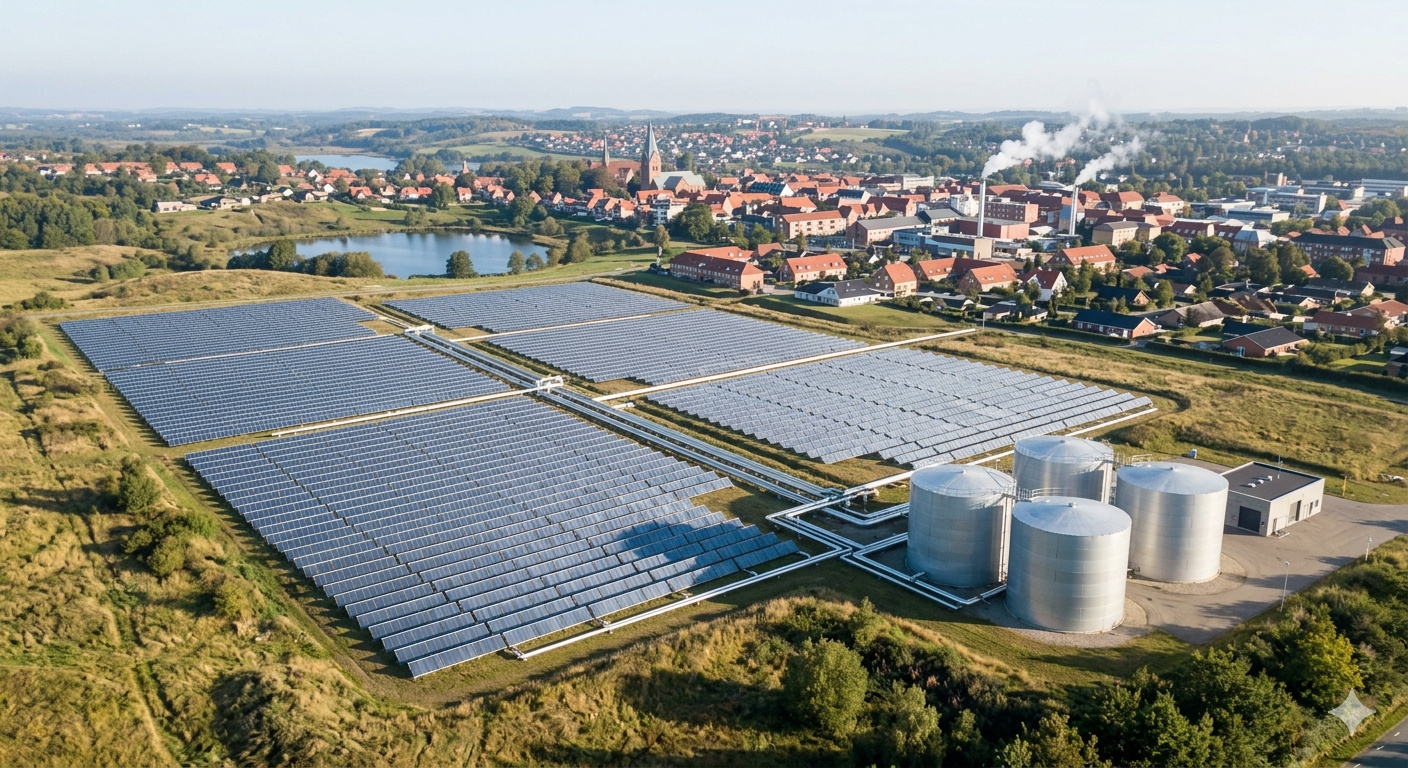
With 160,000 m² of collectors, an area larger than 20 football fields, Silkeborg, in Denmark, hosts a solar thermal plant that heats 19,500 homes and could become the largest solar heating plant in the world.
-
A study reveals the expansion of renewable energy procurement in Brazil and shows how companies are taking advantage of opportunities to reduce expenses, ensure energy efficiency, and strengthen strategic environmental commitments.


‘There’s a whole mobilization, pressure from all sides of society (…) anyway, now investors also need to have legal security to be able to make their investments, allocate their Capex, advance in factories, and progress in biorefineries. Clear, well-defined rules as soon as possible help us leverage and accelerate this decarbonization process and offer this to our customers’, said Kos Winik at the seminar The Future Of Energy Comes From Vibra, presented by epbr agency (see the full text above).
The executive emphasized that companies are already being pressured to meet emission targets to sell their products in markets with more advanced legislation, such as European countries. According to him, the definition of mandates, deadlines, and conditions for fuels and other low-carbon solutions are still lacking, so that investors can have peace of mind to make investments and scale decarbonization initiatives.
Regulation And Low-Carbon Solutions In Brazil
The Future Fuel bill, currently under discussion in the Chamber of Deputies, addresses several of these topics, such as biofuels, SAF, hydrogen, and biomethane.
The Vice President of Vibra notes that Brazil is already advanced in some areas compared to other countries, such as in biofuels.
‘For those looking at the diesel issue, we already have a 12% blend of biodiesel, a renewable fuel, and discussions are already underway to increase this mandate to up to 15%. In gasoline, we also have the addition of anhydrous alcohol at 27%, and there are discussions regarding the introduction of SAF, which is the aviation biofuel, to start having some type of deadline from 2027 and grow over the years.’
Regulation Of Biomethane And E-Mobility
A market that still lacks regulation is biomethane, said Eduardo Acquaviva, CEO of ZEG Biogás. In this case, from the specifications that must be followed by producers and marketers to the rules for sharing infrastructure with gas distributors in each state, among other factors.
‘Today we are still somewhat new in Brazil, we are structuring. And this must be done properly so that competition occurs at the appropriate level’, he said. ‘So if I have to generate a product with a specific specification, everyone else should too, and for this to happen, competition should be fair and lead to viable business.’
The Regulation Challenge For E-Mobility
Vibra VP Bernardo Kos Winik made a parallel with solar and wind generation, which have seen significant development in recent years.
‘The regulation of the electric sector has advanced. You see investments in solar generation, you see investments in wind generation; you have a regulation where part of the consumers migrated to the free market, and now you have a well-defined rule. Now in January 2024, you make another opening for more consumers to migrate to the free market. This is the kind of thing we are talking about when the rules are well defined, clear, and everyone is on the same page’, he said.
EZVolt CEO Gustavo Tannure says that e-mobility is going through a moment similar to what occurred with solar generation in the beginning, without well-established rules.
‘The regulation that exists in our e-mobility sector – drawing a parallel with what existed in solar generation in the beginning – was a very liberal regulation, very loosely regulated to let the market grow and self-regulate. This has good and bad aspects, of course’, he stated.
‘There is a certain insecurity regarding new investments we need to make – a lot depends on investments, the infrastructure for charging is one of the barriers to the advancement of electric vehicles, this is a fact – and today we do not have certainty regarding quotas for importing vehicles or other incentives that may exist, and there is still a lot of uncertainty regarding the arrival of factories. However, we are optimistic about the market.’
Source: EPBR









Seja o primeiro a reagir!