Portuguese
  Spanish


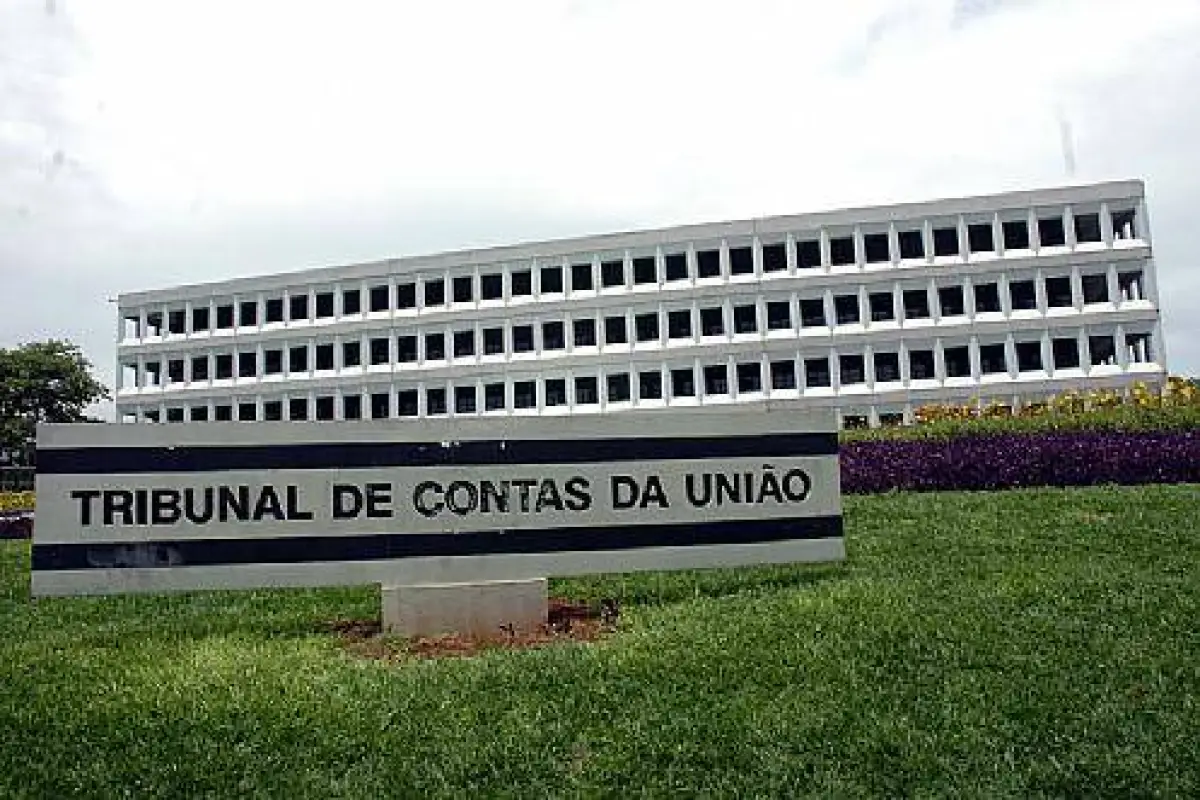

At the End of 2022, the Federal Court of Accounts (TCU) Released a Document Entitled “List of High-Risk Areas of Federal Public Administration” Regarding Brazilian Highways. Not Only That, But It Also Delivered This Material to the Government Transition Secretariat for Coordination.
In a chapter on planning and prioritization of intermodal transport, the TCU notes that various government transport planning instruments do not promote satisfactory modal integration regarding Brazilian highways.
This situation hinders the rationalization of sectoral planning and public investment, due to planning failures, the fragility of integration and use of transport modes, and inconsistent criteria for prioritizing projects and investments in the sector.
What Is in the Report on Brazilian Highways
In light of the regulation and oversight of road and rail transport, there was a lack of good management planning practices, evidenced by incomplete works and, more seriously, by the signing of contractual addenda that included unplanned related investments.
-
The Port of Itaqui closes the best first semester in history with over 17 million tons and takes off as the locomotive of the Northern Arc.

-
Brazil’s North-South Railway to Auction Two Grain Terminals in Central Tocantins

-
AI-powered traffic cameras in São Paulo now issue fines for cellphone use and seatbelt violations around the clock

-
Free Upgrade to Professional Driver’s License Categories in Over 130 Locations in Brazil, Including Exams and Courses



To corroborate the problems indicated by the TCU regarding Brazilian highways, it is worth highlighting that the National Transport Confederation (CNT), on behalf of its president and in an interview published in the CNT Transporte Atual newspaper, noted that there has been a considerable deterioration in the quality of Brazil’s road network. Of the 110,333 kilometers evaluated in 2022, more than half are problematic.
Since 1995, a strongly integrated study by the CNT has facilitated the assessment of the following criteria: Pavement, Signage, Road Geometry, and Critical Points; for 2022, it identifies 55.5% (61,311 km) of the pavement characteristics in normal, poor, or very poor condition.
Brazilian Highways Are at 60% Poor Asphalt Network
For the signaling project, 60.7% (66,985 km) were considered defective (normal, poor, or very poor), while for road geometry, this value corresponded to 63.9% (70,445 km).
In a concerning conclusion, the study of Brazilian highways points to the need to develop actions aimed at improving Brazilian highways. After all, over 95% of passenger traffic and 65% of cargo transport in Brazil is done by highways. The road network is the country’s main route and requires more attention than the current one; otherwise, the process of reconstruction and recovery of infrastructures will be more costly and burdensome.
With 65% of goods technically determined by the CNT circulating in the country via road mode, when analyzing the most common types of goods transported by road mode, it is evident that a large part of them is related to the flow of products originating from agribusiness. This fact is not coincidental, as this sector is the most productive in the country.
Not only that, but despite all the techniques employed by the industry to correct, legalize, and control the gross weight in loading and shipping operations, external factors hinder the control of weight per axle, such as the heterogeneity and the high average age of the truck fleet across the country, geometry and quality of the route used (verified by the CNT), braking and acceleration of the vehicle during travel, etc.
On the other hand, the position taken by the Federal Public Ministry (MPF) and endorsed by the Judiciary exempts the State from any responsibility in this matter, which ends up discouraging the oversight of convoys and maintenance of roads, which is serious and clearly in conflict with various rulings of the TCU.