Portuguese
  Spanish


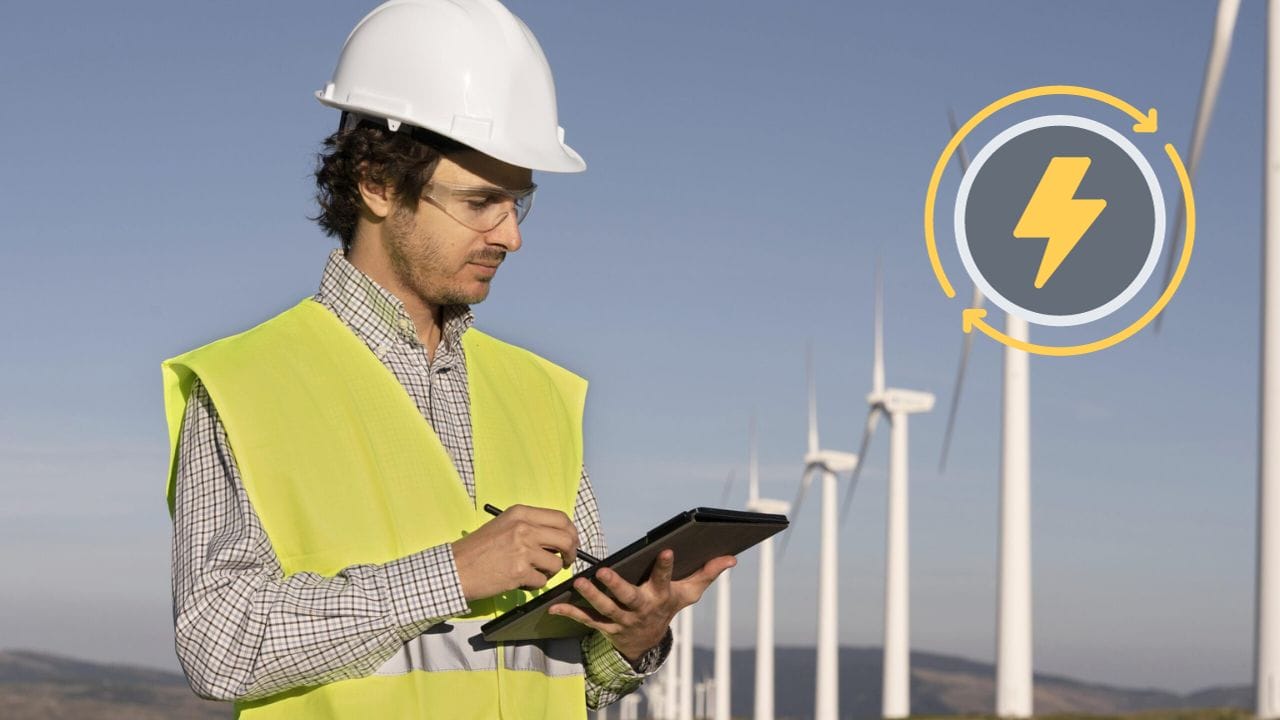

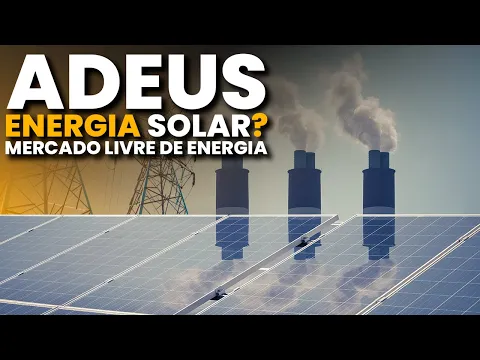
In 2024, the Brazilian electricity sector will go through a transformation with the full opening of the Free Energy Market, allowing all group A consumers to choose where to buy solar or wind energy, with potential savings of up to 80%.
Starting in 2024, a significant change will occur in the Brazilian electricity sector with the complete liberalization of the Free Energy Market. This change will allow all group A consumers, who are currently in the regulated contracting environment (ACR) with a contracted demand of less than 500 kW, to migrate to the Free Energy Market. This environment provides greater autonomy to negotiate prices, deadlines, and payment methods for energy directly with generators or traders of solar or wind energy.
Consumers who choose the Free Energy Market will have the ability to significantly reduce their energy costs. However, this choice also entails a series of additional responsibilities, such as associating with the Electric Energy Trading Chamber and participating in various bureaucratic operations.
The Role of Solar and Wind Energy Traders
To facilitate the transition and management in the Free Market, consumers can hire energy traders, who take on the bureaucratic part and represent the clients before the trading chamber. These traders purchase energy from solar or wind sources in large quantities and pass it on to their clients, also taking care of regulatory obligations.
-
Fired during apartheid and with a little borrowed money, an electrician started with a borrowed truck and transformed electrical services into a group connected to energy, real estate, and infrastructure in South Africa.

-
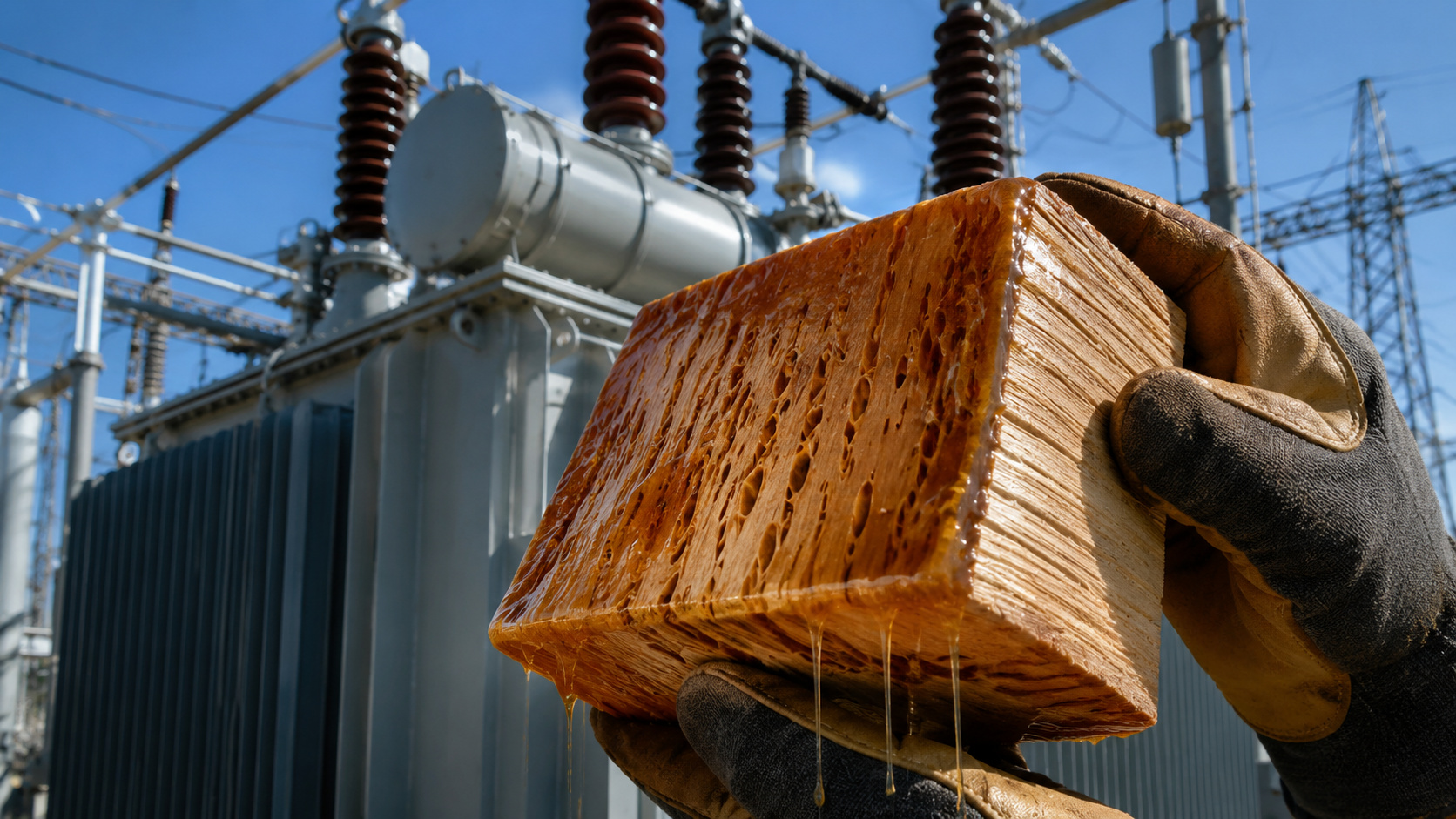
Wood has ceased to be just a construction material in Yale research and has become insulation for electrical transformers that face intense heat, aging, and increasing pressure from the renewable energy-powered grid.
-
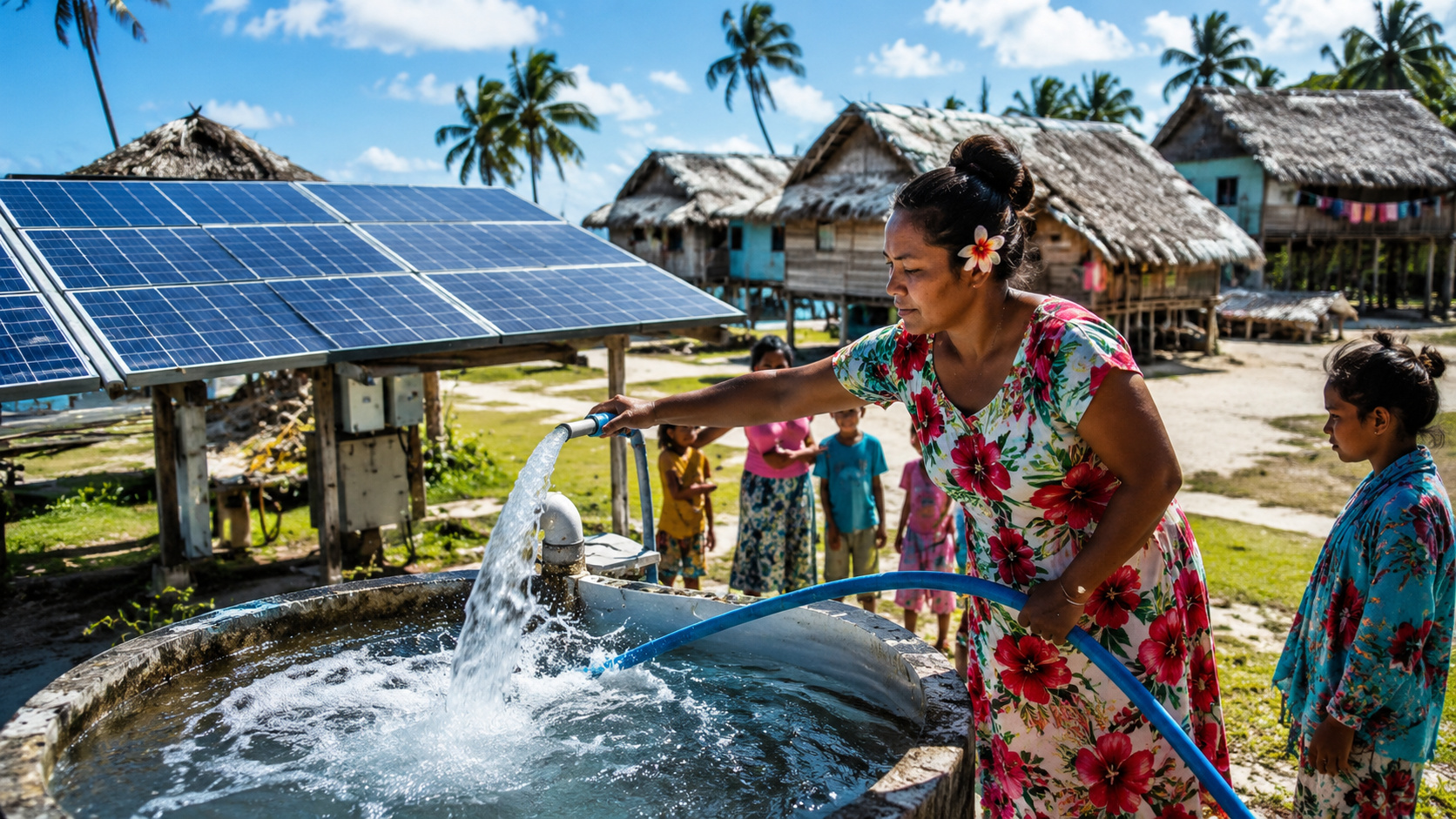
More than 1,000 residents of a remote island in Kiribati now have clean water and electricity with solar systems operated by the community itself.
-
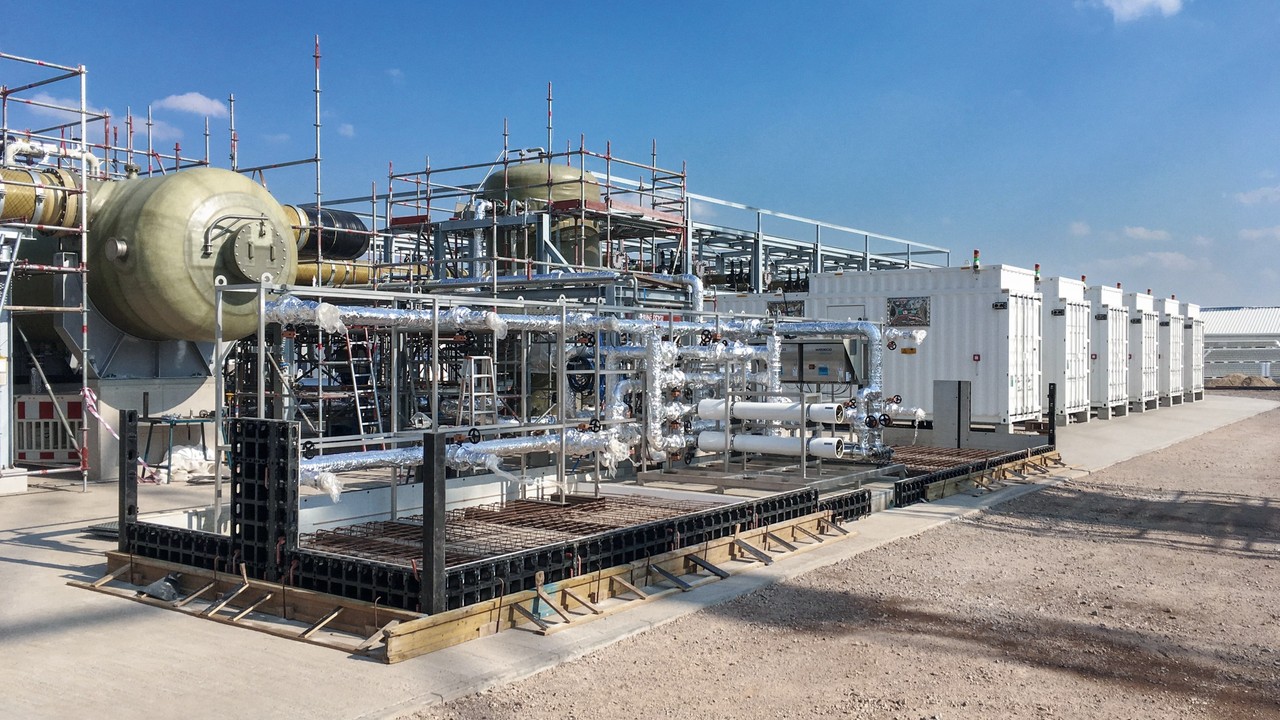
Ceará brings together 7 giants and R$ 66 billion to transform Pecém into the largest green hydrogen hub in Brazil, with final decisions expected by the end of 2026.



Own Energy Generation
An important innovation is that consumers in the Free Energy Market will also be able to generate their own energy through the self-production model. This allows the use of locally generated energy, and the surplus can be sold in the short-term market, generating additional revenue.
Despite the advantages, migration to the Free Energy Market requires caution. Consumers who wish to return to the regulated market need to make the request at least five years in advance. And of course, although they no longer purchase energy from utilities, free consumers will continue to pay for the use of the distribution network.
The full opening of the Free Energy Market in 2024 represents a significant opportunity for consumers and companies to reduce their energy costs. With increased competition and the possibility of self-production, a reduction in energy prices and an improvement in service quality are expected. This movement is a milestone in the Brazilian electricity sector and signals a more flexible and economical future for energy consumption.